
Can a digital pressure gauge be used for low - pressure applications?
Leave a message

Can a digital pressure gauge be used for low - pressure applications?
Hey there! As a supplier of digital pressure gauges, I often get asked whether our digital pressure gauges can be used for low - pressure applications. Well, the short answer is yes, but let's dig deeper into this topic.
First off, let's understand what low - pressure applications are. Low - pressure scenarios typically involve pressures ranging from a few inches of water column to a few pounds per square inch (psi). These applications can be found in various industries, such as HVAC systems, pneumatic control systems, and some laboratory setups.
One of the main advantages of using a digital pressure gauge for low - pressure applications is its high level of accuracy. Digital gauges are designed to provide precise measurements, which is crucial when dealing with low pressures. Even small fluctuations in pressure can have a significant impact on the performance of a system. For example, in an HVAC system, maintaining the right air pressure is essential for efficient heating and cooling. A digital pressure gauge can detect and display these small changes accurately, allowing for better control and optimization of the system.
Another great thing about digital pressure gauges is their readability. Unlike mechanical gauges, which may have small dials and needles that can be hard to read, digital gauges display the pressure reading in clear, easy - to - understand numbers. This is especially important in low - pressure applications where the readings may be in the lower range and harder to distinguish on a traditional gauge. You can quickly glance at the digital display and get an accurate reading, saving time and reducing the chances of errors.
Digital pressure gauges also offer features that are very useful for low - pressure applications. Many of them come with adjustable units of measurement, so you can choose to display the pressure in inches of water column, millibars, or psi, depending on your needs. They may also have the ability to set alarms. For instance, if the pressure in a pneumatic system drops below a certain level, the gauge can sound an alarm, alerting you to a potential problem.
However, it's not all sunshine and rainbows. There are some considerations when using digital pressure gauges for low - pressure applications. One of the main concerns is the cost. Digital gauges are generally more expensive than mechanical gauges. But when you consider the long - term benefits of accuracy, readability, and additional features, the investment can be well worth it, especially for critical low - pressure applications.
Another thing to keep in mind is the power source. Digital pressure gauges require a power source, whether it's batteries or a direct electrical connection. In some low - pressure applications, especially those in remote locations, finding a reliable power source can be a challenge. However, many modern digital gauges are designed to be energy - efficient, and some can run on batteries for a long time.
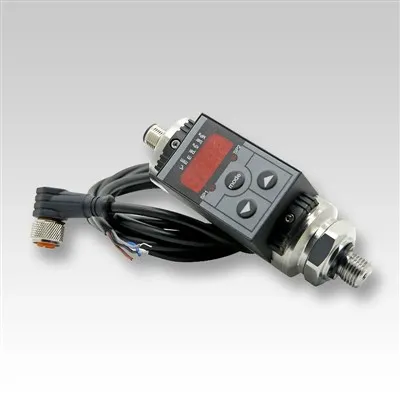
Now, let's talk about the different types of pressure gauges we offer. We have High Temperature Mechanical Melt Presssure Gauges which are great for high - temperature environments. These mechanical gauges are built to withstand extreme heat while still providing accurate pressure readings. But for low - pressure applications, our Digital Melt Presssure Gauges are often a better choice. They offer the precision and features needed for low - pressure systems. And of course, we also have Mechanical Presssure Gauge for those who prefer a more traditional option.
When selecting a digital pressure gauge for low - pressure applications, there are a few key factors to consider. First, you need to determine the range of pressures you'll be measuring. Make sure the gauge you choose has a range that covers the low - pressure values you expect. Also, look at the accuracy specifications. The higher the accuracy, the better the gauge will be at detecting small pressure changes.
The environment in which the gauge will be used is also important. If it's a dirty or dusty environment, you'll want a gauge that is well - protected against contaminants. Some digital gauges come with sealed enclosures to prevent dust and moisture from getting inside and affecting the performance.


In conclusion, digital pressure gauges can definitely be used for low - pressure applications. They offer accuracy, readability, and useful features that make them a great choice for many low - pressure systems. While there are some considerations like cost and power source, the benefits often outweigh the drawbacks.
If you're in the market for a digital pressure gauge for your low - pressure application, we'd love to have a chat with you. We can help you choose the right gauge based on your specific needs and requirements. Feel free to reach out to us to start the conversation about your procurement.
References
- "Pressure Measurement Basics" - A technical guide on pressure measurement principles.
- Industry standards and guidelines for low - pressure applications in HVAC and pneumatic systems.