Are there any limitations to the use of melt pressure gauges?
Leave a message

Are there any limitations to the use of melt pressure gauges?
Hey there! As a supplier of melt pressure gauges, I often get asked about the limitations of these nifty devices. Well, buckle up, because I'm gonna take you on a ride through the ins and outs of melt pressure gauge usage.
First off, let's talk about what melt pressure gauges are all about. These bad boys are used to measure the pressure of molten materials, like plastics, rubber, and metals, in various industrial processes. They're crucial for ensuring that the manufacturing process runs smoothly and that the final product meets the required quality standards.
Now, let's dive into the limitations. One of the biggest limitations of melt pressure gauges is their temperature range. Most melt pressure gauges are designed to work within a specific temperature range, and if the temperature of the molten material exceeds this range, the gauge may not work properly or may even get damaged. For example, some gauges are only suitable for temperatures up to 300°C, while others can handle temperatures up to 500°C or more. So, it's important to choose a gauge that can withstand the temperature of the molten material you're working with.
Another limitation is the pressure range. Melt pressure gauges are also designed to measure a specific range of pressures, and if the pressure of the molten material is outside this range, the gauge may not provide accurate readings. For instance, some gauges are suitable for pressures up to 10,000 psi, while others can handle pressures up to 20,000 psi or more. So, you need to make sure you select a gauge that can measure the pressure of the molten material accurately.
The type of molten material can also pose a limitation. Different molten materials have different viscosities and chemical properties, which can affect the performance of the pressure gauge. For example, some materials may be highly corrosive, which can damage the gauge over time. In such cases, you need to choose a gauge that is made of materials that are resistant to corrosion.
Accuracy is another aspect to consider. While melt pressure gauges are generally quite accurate, there can be some degree of error in the readings. This can be due to factors such as calibration issues, wear and tear, or environmental conditions. It's important to regularly calibrate your gauges to ensure accurate readings.
Installation and maintenance also play a role. If the gauge is not installed correctly, it may not work properly. For example, if the gauge is not properly sealed, it can lead to leaks, which can affect the accuracy of the readings. Additionally, regular maintenance is required to keep the gauge in good working condition. This includes cleaning, checking for any signs of damage, and replacing any worn-out parts.
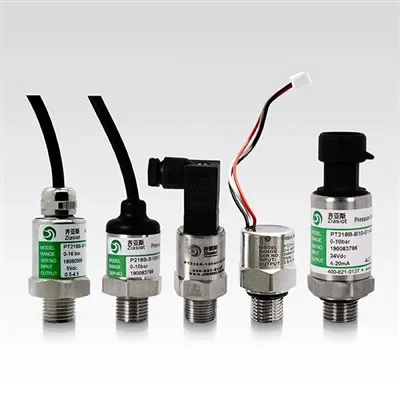
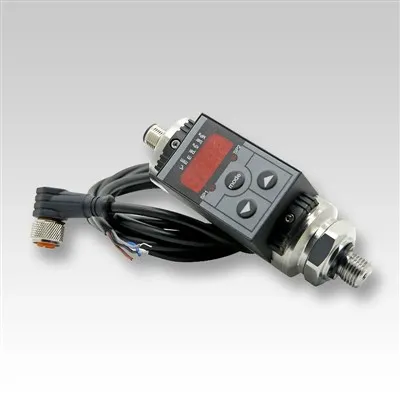
Now, let's take a look at some of the different types of melt pressure gauges we offer. We have Digital Melt Presssure Gauges, which provide digital readouts for easy and accurate monitoring. These gauges are often more precise and can offer additional features such as data logging.


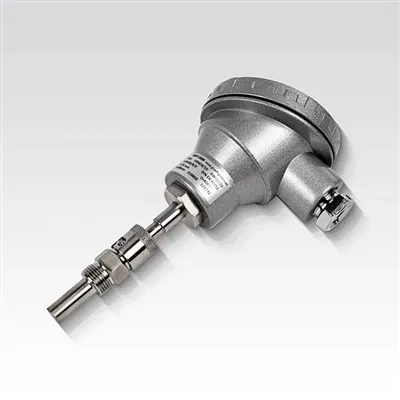
Our High Temperature Mechanical Melt Presssure Gauges are designed to withstand high temperatures and are a great choice for applications where the molten material reaches extreme temperatures.
And for those who need to measure vacuum pressures, we have the Vacuum Digital Pressure Gauge. This gauge is perfect for processes that involve creating a vacuum environment.
Despite these limitations, melt pressure gauges are still an essential tool in many industries. They help in maintaining process control, ensuring product quality, and preventing costly breakdowns. By being aware of the limitations and choosing the right gauge for your specific application, you can make the most of these devices.
If you're in the market for melt pressure gauges or have any questions about their usage, don't hesitate to reach out. We're here to help you find the best solution for your needs. Whether you're a small-scale manufacturer or a large industrial facility, we have the expertise and the products to meet your requirements. Let's have a chat and see how we can work together to improve your manufacturing processes.
References
- "Industrial Pressure Gauges: Principles and Applications" - A technical guide on pressure gauges and their uses in industrial settings.
- "Materials Science for Pressure Gauge Components" - A study on the materials used in pressure gauges and their suitability for different applications.