
What is the temperature range for pressure gauge operation?
Leave a message

As a supplier of pressure gauges, understanding the temperature range for pressure gauge operation is crucial. Pressure gauges are essential instruments used in a wide variety of industries, from manufacturing and automotive to oil and gas and aerospace. The performance and accuracy of these gauges can be significantly affected by the temperature at which they operate. In this blog post, I will delve into the factors that determine the temperature range for pressure gauge operation, the implications of operating outside this range, and how to choose the right pressure gauge for specific temperature conditions.
Factors Affecting the Temperature Range of Pressure Gauges
Several factors influence the temperature range within which a pressure gauge can operate effectively. These factors include the materials used in the gauge's construction, the type of pressure measurement mechanism, and the intended application.

Materials
The materials used in the construction of a pressure gauge play a vital role in determining its temperature range. For example, the Bourdon tube, which is a common pressure sensing element in mechanical pressure gauges, is typically made of materials such as brass, stainless steel, or phosphor bronze. Each of these materials has different thermal expansion properties, which can affect the accuracy of the gauge at different temperatures.
Brass is a widely used material due to its good corrosion resistance and relatively low cost. However, it has a relatively high coefficient of thermal expansion, which means that its dimensions can change significantly with temperature variations. This can lead to errors in pressure measurement, especially at extreme temperatures.
Stainless steel, on the other hand, has a lower coefficient of thermal expansion than brass, making it more suitable for applications where temperature stability is crucial. It also offers excellent corrosion resistance, making it ideal for use in harsh environments.
Phosphor bronze is another material commonly used in Bourdon tubes. It has good elasticity and a relatively low coefficient of thermal expansion, making it suitable for high-precision applications.
Pressure Measurement Mechanism
The type of pressure measurement mechanism used in a gauge also affects its temperature range. Mechanical pressure gauges, such as Mechanical Presssure Gauge, rely on physical components like Bourdon tubes, diaphragms, or bellows to measure pressure. These components can be sensitive to temperature changes, which can cause them to expand or contract, leading to inaccurate readings.

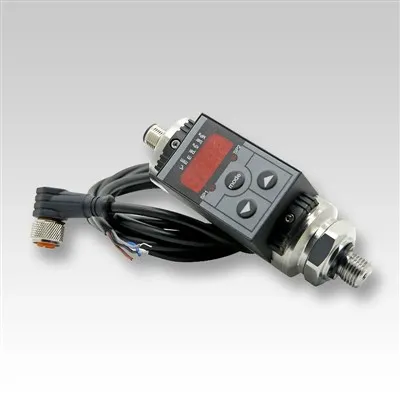
Digital pressure gauges, such as Digital Melt Presssure Gauges and Vacuum Digital Pressure Gauge, use electronic sensors to measure pressure. These sensors are generally less affected by temperature variations than mechanical components, but they still have a limited temperature range within which they can operate accurately.
Intended Application
The intended application of a pressure gauge also plays a role in determining its temperature range. For example, pressure gauges used in industrial processes may need to operate in high-temperature environments, such as in furnaces or boilers. In these cases, the gauge must be able to withstand the high temperatures without losing accuracy or functionality.
On the other hand, pressure gauges used in laboratory settings or in applications where precision is critical may require a more narrow temperature range to ensure accurate measurements.
Typical Temperature Ranges for Different Types of Pressure Gauges
The temperature range for pressure gauge operation can vary depending on the type of gauge and its intended application. Here are some typical temperature ranges for different types of pressure gauges:
Mechanical Pressure Gauges
Mechanical pressure gauges typically have a temperature range of -20°C to 60°C (-4°F to 140°F). However, this range can vary depending on the materials used in the gauge's construction and the specific design. Some mechanical pressure gauges can operate at temperatures as low as -40°C (-40°F) or as high as 80°C (176°F), but these are usually specialized gauges designed for specific applications.

Digital Pressure Gauges
Digital pressure gauges generally have a wider temperature range than mechanical pressure gauges. Most digital pressure gauges can operate in a temperature range of -10°C to 50°C (14°F to 122°F). However, some high-performance digital pressure gauges can operate at temperatures as low as -20°C (-4°F) or as high as 60°C (140°F).
Vacuum Pressure Gauges
Vacuum pressure gauges are designed to measure pressures below atmospheric pressure. They typically have a temperature range similar to that of other pressure gauges, but they may be more sensitive to temperature changes due to the low pressures they measure. Most vacuum pressure gauges can operate in a temperature range of -20°C to 60°C (-4°F to 140°F).
Implications of Operating Outside the Temperature Range
Operating a pressure gauge outside its specified temperature range can have several negative implications, including:
Inaccurate Readings
One of the most significant implications of operating a pressure gauge outside its temperature range is inaccurate readings. Temperature changes can cause the materials in the gauge to expand or contract, which can affect the dimensions of the pressure sensing element and lead to errors in pressure measurement. This can be particularly problematic in applications where precision is critical, such as in laboratory settings or in industrial processes where small variations in pressure can have a significant impact on the quality of the product.
Reduced Lifespan
Operating a pressure gauge outside its temperature range can also reduce its lifespan. High temperatures can cause the materials in the gauge to degrade more quickly, leading to premature failure. Low temperatures can make the materials more brittle, increasing the risk of cracking or breaking.
Safety Risks
In some cases, operating a pressure gauge outside its temperature range can pose safety risks. For example, if a pressure gauge used in a high-pressure system fails due to temperature-related issues, it could lead to a sudden release of pressure, which could cause injury or damage to equipment.
Choosing the Right Pressure Gauge for Specific Temperature Conditions
When choosing a pressure gauge for a specific application, it is essential to consider the temperature conditions in which the gauge will operate. Here are some tips to help you choose the right pressure gauge for your needs:
Determine the Temperature Range
The first step is to determine the temperature range in which the pressure gauge will operate. This will depend on the specific application and the environment in which the gauge will be used. Once you have determined the temperature range, you can look for pressure gauges that are designed to operate within that range.
Consider the Type of Gauge
As mentioned earlier, different types of pressure gauges have different temperature ranges. Mechanical pressure gauges are generally less expensive but have a more limited temperature range than digital pressure gauges. Digital pressure gauges offer higher accuracy and a wider temperature range but are typically more expensive. Consider the specific requirements of your application and choose the type of gauge that best meets your needs.
Look for Temperature Compensation
Some pressure gauges are designed with temperature compensation features to minimize the effects of temperature changes on pressure measurement. These features can help ensure accurate readings even in environments with significant temperature variations. If you need to operate the pressure gauge in a wide temperature range, look for a gauge that offers temperature compensation.
Check the Manufacturer's Specifications
Before purchasing a pressure gauge, make sure to check the manufacturer's specifications to ensure that the gauge is suitable for the temperature conditions in which it will operate. The specifications should include the temperature range, accuracy, and any other relevant information.
Conclusion
Understanding the temperature range for pressure gauge operation is essential for ensuring accurate and reliable pressure measurement. By considering the factors that affect the temperature range, the implications of operating outside this range, and how to choose the right pressure gauge for specific temperature conditions, you can select the best gauge for your application and avoid costly errors and safety risks.
If you are in the market for pressure gauges and need further assistance in choosing the right gauge for your specific temperature requirements, please feel free to contact us. Our team of experts is available to help you find the perfect solution for your needs.
References
- ASME B40.100 - Pressure Gauges and Gauge Attachments
- ISO 2288 - Pressure Gauges - General Requirements
- Manufacturer's technical documentation for pressure gauges