
What is the electromagnetic compatibility of MEMS pressure transmitters?
Leave a message

Electromagnetic compatibility (EMC) is a crucial aspect in the design and operation of MEMS pressure transmitters. As a supplier of MEMS pressure transmitters, I have witnessed firsthand the importance of EMC in ensuring the reliable and accurate performance of these devices. In this blog post, I will delve into what electromagnetic compatibility means for MEMS pressure transmitters, its significance, and how we address EMC challenges in our products.
Understanding Electromagnetic Compatibility
Electromagnetic compatibility refers to the ability of an electrical or electronic device to function properly in its intended electromagnetic environment without causing unacceptable electromagnetic interference (EMI) to other devices and without being unduly affected by EMI from other sources. In the context of MEMS pressure transmitters, EMC encompasses two main aspects: radiated emissions and immunity.
Radiated emissions are the electromagnetic fields that a device generates and radiates into the surrounding environment. These emissions can interfere with other electronic devices operating in the vicinity, leading to malfunctions or degraded performance. For example, if a MEMS pressure transmitter emits excessive electromagnetic radiation, it may disrupt the operation of nearby communication equipment or control systems.

On the other hand, immunity refers to the ability of a device to withstand the effects of electromagnetic interference from external sources. External EMI can come from various sources, such as power lines, radio frequency (RF) transmitters, and other electronic devices. A MEMS pressure transmitter with poor immunity may experience errors in its measurement readings or even fail to operate properly when exposed to high levels of EMI.
Significance of EMC in MEMS Pressure Transmitters
The significance of EMC in MEMS pressure transmitters cannot be overstated. These devices are widely used in a variety of applications, including industrial automation, automotive, aerospace, and medical. In many of these applications, accurate and reliable pressure measurement is critical for safety, efficiency, and quality control.
For instance, in industrial automation, MEMS pressure transmitters are used to monitor and control the pressure in pipelines, tanks, and other equipment. Any interference or inaccuracy in the pressure measurement can lead to process failures, equipment damage, or even safety hazards. Similarly, in automotive applications, MEMS pressure transmitters are used in engine management systems, tire pressure monitoring systems, and braking systems. Faulty pressure measurements due to EMC issues can compromise the performance and safety of the vehicle.
In addition, as the number of electronic devices in our environment continues to increase, the electromagnetic environment has become more complex and challenging. MEMS pressure transmitters need to be able to operate reliably in this crowded electromagnetic spectrum without causing or being affected by interference. Ensuring EMC compliance is not only a matter of product performance but also a regulatory requirement in many countries and industries.
EMC Challenges in MEMS Pressure Transmitters
Designing MEMS pressure transmitters with good EMC performance is not without its challenges. One of the main challenges is the small size of MEMS devices. MEMS pressure transmitters are typically very compact, which means that there is limited space for shielding and filtering components. This makes it more difficult to contain the electromagnetic emissions and protect the device from external interference.
Another challenge is the high sensitivity of MEMS pressure sensors. These sensors are designed to detect very small changes in pressure, which makes them more susceptible to electromagnetic interference. Even a small amount of EMI can cause noise or errors in the sensor output, leading to inaccurate pressure measurements.
Furthermore, MEMS pressure transmitters often operate in harsh environments, where they are exposed to high levels of electromagnetic noise. For example, in industrial settings, there may be large motors, generators, and other equipment that generate strong electromagnetic fields. In automotive applications, the transmitters may be exposed to RF interference from the vehicle's radio, Bluetooth, and Wi - Fi systems.
How We Address EMC Challenges
As a supplier of MEMS pressure transmitters, we take several measures to address the EMC challenges and ensure the electromagnetic compatibility of our products.
Design Optimization
We start by optimizing the design of our MEMS pressure transmitters at the component and circuit level. This includes using low - noise components, proper grounding techniques, and minimizing the length of signal traces to reduce electromagnetic radiation. We also carefully layout the circuit board to separate sensitive analog circuits from digital circuits and power lines, which helps to reduce the coupling of electromagnetic interference.
Shielding
To contain the radiated emissions and protect the device from external interference, we use shielding materials. Our MEMS pressure transmitters are often enclosed in a metal housing, which acts as a Faraday cage to block the electromagnetic fields. The metal housing is carefully designed and grounded to ensure effective shielding. In addition, we may also use shielding coatings on the circuit board or individual components to further reduce the electromagnetic emissions.
Filtering
Filtering is another important technique we use to improve the EMC performance of our MEMS pressure transmitters. We incorporate passive filters, such as capacitors and inductors, into the circuit to suppress high - frequency noise and interference. These filters are designed to allow the desired signals to pass through while blocking the unwanted electromagnetic signals.
Testing and Certification
We conduct extensive EMC testing on our MEMS pressure transmitters to ensure that they meet the relevant international standards and regulations. Our testing facilities are equipped with state - of - the - art EMC test equipment, which allows us to measure the radiated emissions and immunity of our products accurately. We also work closely with independent testing laboratories to obtain EMC certifications for our products, which provides our customers with confidence in the electromagnetic compatibility of our MEMS pressure transmitters.
Example Application: MEMS Pressure Sensor for Shield Tunneling Machine
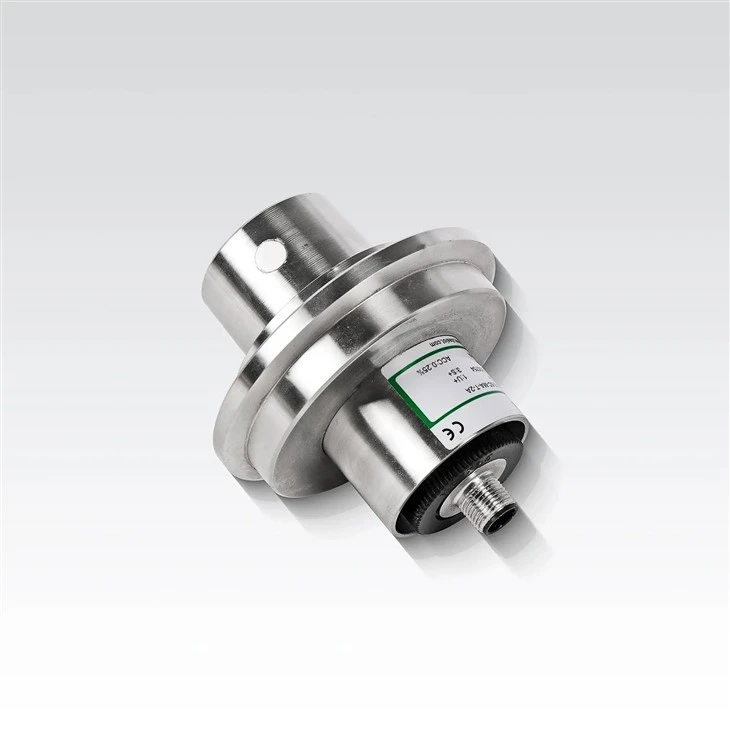
One of our key products is the MEMS Pressure Sensor for Shield Tunneling Machine. In shield tunneling applications, the MEMS pressure transmitter needs to operate in a harsh electromagnetic environment, where there are large electrical motors, power cables, and other equipment generating strong electromagnetic fields.
Our MEMS pressure sensor for shield tunneling machines is designed with high EMC performance in mind. Through careful design optimization, shielding, and filtering, it can accurately measure the pressure in the tunneling process without being affected by the electromagnetic interference. This ensures the reliable operation of the shield tunneling machine and the safety of the tunneling project.
Conclusion
Electromagnetic compatibility is a vital consideration in the design and operation of MEMS pressure transmitters. As a supplier, we understand the importance of EMC in ensuring the reliable and accurate performance of our products. By addressing the EMC challenges through design optimization, shielding, filtering, and testing, we are able to provide high - quality MEMS pressure transmitters that can operate effectively in a variety of electromagnetic environments.
If you are in need of MEMS pressure transmitters for your application, we invite you to contact us for further discussion and procurement negotiation. Our team of experts is ready to assist you in finding the most suitable solution for your specific requirements.
References
- "Electromagnetic Compatibility Engineering" by Henry W. Ott
- "MEMS Technology and Applications" by Tai - Ren Yu
- International Electrotechnical Commission (IEC) standards on electromagnetic compatibility