
What is the signal - to - noise ratio of a Compact Pressure Transmitter?
Leave a message

Hey there! As a supplier of Compact Pressure Transmitters, I often get asked about the signal-to-noise ratio (SNR) of these nifty devices. So, let's dive right in and break it down.
First off, what exactly is the signal-to-noise ratio? Well, simply put, it's a measure of how much of the useful signal (the pressure reading we actually care about) there is compared to the unwanted noise. Noise can come from all sorts of places - electrical interference, mechanical vibrations, and even temperature variations. A high SNR means that the signal is strong and clean, while a low SNR means there's a lot of noise drowning out the signal.
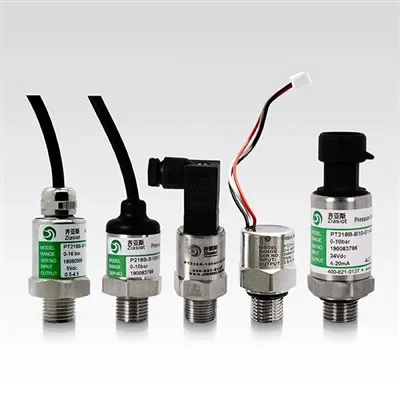
For Compact Pressure Transmitters, having a good SNR is crucial. These transmitters are designed to be small, efficient, and accurate. They're used in a wide range of applications, from industrial process control to automotive and aerospace systems. In all these cases, accurate pressure measurements are essential for proper operation and safety.
Let's take a closer look at why SNR matters so much in compact pressure transmitters. In industrial settings, for example, these transmitters are often used to monitor and control pressure in pipelines, tanks, and other equipment. If the SNR is low, the pressure readings may be inaccurate, leading to improper control and potentially dangerous situations. In automotive applications, a low SNR could result in incorrect tire pressure readings, which can affect vehicle handling and fuel efficiency.
So, how do we ensure a high SNR in our Compact Pressure Transmitters? Well, it starts with the design. We use high-quality materials and advanced manufacturing techniques to minimize noise sources. For example, we carefully select the sensors and electronic components to reduce electrical interference. We also use shielding and grounding techniques to protect the transmitter from external noise.
Another important factor is calibration. We calibrate each transmitter to ensure accurate and consistent performance. During calibration, we measure the signal and noise levels and adjust the transmitter's settings to optimize the SNR. This process helps to eliminate any variations in the manufacturing process and ensures that each transmitter meets our strict quality standards.
In addition to design and calibration, we also offer a range of features and options to improve the SNR of our Compact Pressure Transmitters. For example, some of our transmitters come with built-in filters to reduce noise. These filters can be adjusted to suit the specific application and noise environment. We also offer transmitters with different output signals, such as analog or digital, which can be more resistant to noise.
Now, let's talk about some of the specific products we offer. We have a wide range of Compact Pressure Transmitters to suit different applications and requirements. One of our popular products is the Sanitary Flat-Diaphragm Digital Pressure Transmitter. This transmitter is designed for use in sanitary applications, such as food and beverage processing and pharmaceutical manufacturing. It features a flat diaphragm design that is easy to clean and sterilize, and it has a high SNR to ensure accurate pressure measurements.
Another product we offer is the Absolute Pressure Transmitter. This transmitter measures the absolute pressure, which is the pressure relative to a perfect vacuum. It's often used in applications where accurate absolute pressure measurements are required, such as in aerospace and meteorology. Our Absolute Pressure Transmitter has a high SNR and is designed to be highly accurate and reliable.
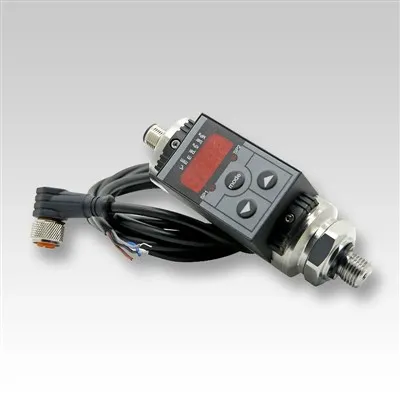
We also offer a Pressure Transmitter With Indicator. This transmitter combines a pressure sensor with a built-in indicator, which allows for easy and convenient pressure monitoring. The indicator can be set to display the pressure in different units, such as psi, bar, or kPa. Our Pressure Transmitter With Indicator has a high SNR and is ideal for applications where a visual indication of the pressure is required.
In conclusion, the signal-to-noise ratio is a critical factor in the performance of Compact Pressure Transmitters. At our company, we take great care to ensure that our transmitters have a high SNR through careful design, calibration, and the use of advanced features and options. Whether you're looking for a transmitter for industrial, automotive, or aerospace applications, we have a product that will meet your needs.


If you're interested in learning more about our Compact Pressure Transmitters or have any questions about the signal-to-noise ratio, please don't hesitate to contact us. We'd be happy to discuss your specific requirements and help you find the right product for your application. Let's start a conversation and see how we can work together to meet your pressure measurement needs.
References:
- "Signal-to-Noise Ratio in Electronic Systems" by John R. Johnson
- "Pressure Transmitter Handbook" by Instrumentation Engineers