What is the sensitivity of a Compact Pressure Transmitter?
Leave a message

In the world of industrial instrumentation, compact pressure transmitters play a crucial role in accurately measuring and transmitting pressure data. One of the key performance indicators of these devices is their sensitivity. As a leading supplier of compact pressure transmitters, we understand the significance of sensitivity and its impact on the overall performance of these instruments. In this blog post, we will delve into the concept of sensitivity in compact pressure transmitters, exploring what it means, how it is measured, and why it matters.
Understanding Sensitivity in Compact Pressure Transmitters
Sensitivity refers to the ability of a pressure transmitter to detect and respond to small changes in pressure. It is typically defined as the ratio of the change in the output signal of the transmitter to the corresponding change in the input pressure. In other words, sensitivity measures how much the output of the transmitter changes for a given change in pressure.
For example, if a compact pressure transmitter has a sensitivity of 10 mV/psi, it means that for every 1 psi change in pressure, the output signal of the transmitter will change by 10 mV. A higher sensitivity indicates that the transmitter is more responsive to small pressure changes, while a lower sensitivity means that it may require a larger change in pressure to produce a detectable change in the output signal.
How Sensitivity is Measured
The sensitivity of a compact pressure transmitter is typically measured during the calibration process. Calibration involves applying known pressures to the transmitter and measuring the corresponding output signals. By comparing the input pressures and the output signals, the sensitivity of the transmitter can be calculated.
There are several methods for measuring sensitivity, but one of the most common is the use of a pressure calibration system. This system consists of a pressure source, a pressure gauge, and a data acquisition system. The pressure source is used to apply known pressures to the transmitter, while the pressure gauge is used to measure the actual pressures. The data acquisition system records the output signals of the transmitter and the corresponding pressures, allowing for the calculation of sensitivity.
Why Sensitivity Matters
Sensitivity is an important parameter in compact pressure transmitters for several reasons. Firstly, it determines the accuracy of the pressure measurements. A higher sensitivity means that the transmitter can detect and measure small pressure changes more accurately, resulting in more precise pressure readings. This is particularly important in applications where small pressure variations can have a significant impact on the process, such as in the pharmaceutical, food and beverage, and semiconductor industries.
Secondly, sensitivity affects the resolution of the pressure transmitter. Resolution refers to the smallest change in pressure that the transmitter can detect and measure. A higher sensitivity allows for a higher resolution, enabling the transmitter to detect and measure even the smallest pressure changes. This is crucial in applications where high-resolution pressure measurements are required, such as in research and development, laboratory testing, and quality control.
Finally, sensitivity can also impact the response time of the pressure transmitter. Response time refers to the time it takes for the transmitter to respond to a change in pressure and produce a corresponding change in the output signal. A higher sensitivity generally results in a faster response time, as the transmitter can detect and respond to small pressure changes more quickly. This is important in applications where rapid pressure changes need to be monitored and controlled, such as in hydraulic and pneumatic systems.


Factors Affecting Sensitivity
Several factors can affect the sensitivity of a compact pressure transmitter. These include the type of pressure sensing element used, the design of the transmitter, and the operating conditions.
The type of pressure sensing element is one of the most important factors affecting sensitivity. There are several types of pressure sensing elements available, including strain gauge, capacitive, and piezoelectric sensors. Each type of sensor has its own unique characteristics and sensitivity levels. For example, strain gauge sensors are known for their high sensitivity and accuracy, while capacitive sensors offer excellent stability and long-term reliability.
The design of the transmitter also plays a role in determining its sensitivity. The layout of the pressure sensing element, the signal conditioning circuitry, and the housing of the transmitter can all affect the sensitivity of the device. For example, a well-designed transmitter with a low-noise signal conditioning circuitry can improve the sensitivity and accuracy of the pressure measurements.
Finally, the operating conditions can also impact the sensitivity of the pressure transmitter. Factors such as temperature, humidity, and vibration can all affect the performance of the pressure sensing element and the signal conditioning circuitry, leading to changes in sensitivity. It is important to choose a pressure transmitter that is designed to operate in the specific environmental conditions of the application to ensure optimal performance and sensitivity.
Our Range of Compact Pressure Transmitters
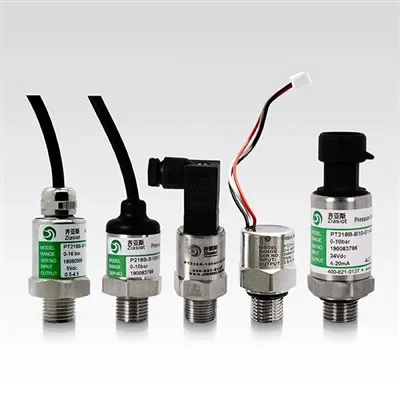
As a leading supplier of compact pressure transmitters, we offer a wide range of products with different sensitivity levels to meet the diverse needs of our customers. Our transmitters are designed using the latest technology and high-quality materials to ensure accurate and reliable pressure measurements.
One of our popular products is the Absolute Pressure Transmitter. This transmitter is designed to measure absolute pressure, which is the pressure relative to a perfect vacuum. It offers high sensitivity and accuracy, making it suitable for a wide range of applications, including aerospace, automotive, and industrial process control.
Another product in our range is the Sanitary Flat-Diaphragm Digital Pressure Transmitter. This transmitter is specifically designed for use in the pharmaceutical, food and beverage, and biotechnology industries, where hygiene and cleanliness are of utmost importance. It features a flat diaphragm design that is easy to clean and sterilize, and it offers high sensitivity and accuracy for precise pressure measurements.
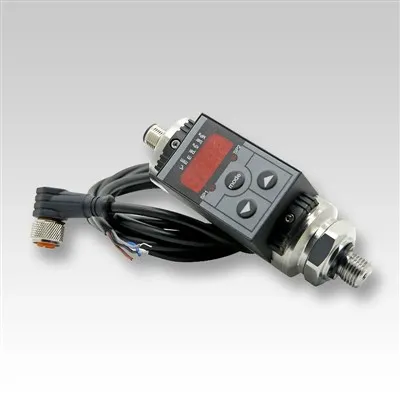
We also offer the Pressure Transmitter With Indicator. This transmitter combines the functionality of a pressure transmitter with a built-in indicator, allowing for easy and convenient pressure monitoring. It offers high sensitivity and accuracy, and it is available in a variety of pressure ranges and output signals to meet the specific needs of the application.
Conclusion
In conclusion, sensitivity is a crucial parameter in compact pressure transmitters. It determines the accuracy, resolution, and response time of the device, and it can have a significant impact on the performance of the application. As a leading supplier of compact pressure transmitters, we understand the importance of sensitivity and offer a wide range of products with different sensitivity levels to meet the diverse needs of our customers.
If you are in the market for a compact pressure transmitter and need more information about our products or would like to discuss your specific requirements, please do not hesitate to contact us. Our team of experts is ready to assist you in choosing the right pressure transmitter for your application and providing you with the support and service you need.
References
- "Pressure Transmitters: Principles and Applications" by John A. Schuler
- "Industrial Instrumentation and Control Handbook" by Bela G. Liptak
- "Measurement, Instrumentation, and Sensors Handbook" by Jacob Fraden