
What is the resolution of a temperature indicator?
Leave a message

Hey there! As a supplier of temperature indicators, I often get asked about the resolution of these nifty devices. So, let's dive right in and break down what the resolution of a temperature indicator actually means.
First off, resolution in the context of a temperature indicator refers to the smallest change in temperature that the device can detect and display. Think of it like the finest detail a camera can capture. A high - resolution temperature indicator can pick up on very tiny temperature fluctuations, while a low - resolution one might only show larger changes.
Let's say you're working in a scientific research lab where you're studying the effects of temperature on a chemical reaction. You need to measure temperature changes very precisely. In this case, you'd want a temperature indicator with a high resolution. For example, a resolution of 0.1°C or even 0.01°C would be ideal. This way, you can accurately track even the slightest temperature variations during the experiment.
On the other hand, if you're using a temperature indicator to monitor the temperature in a warehouse, a lower resolution might be sufficient. Maybe a resolution of 1°C would work just fine because you're mainly interested in general temperature trends rather than extremely precise measurements.
Now, how does resolution affect the performance of a temperature indicator? Well, a higher resolution generally means more accurate readings. But it also comes with some trade - offs. High - resolution temperature indicators tend to be more expensive. They might also be more sensitive to environmental noise and interference. This means that they could give false readings if they're not properly shielded or if there are electrical disturbances in the area.


For instance, in an industrial setting with a lot of machinery and electrical equipment, a high - resolution temperature indicator might pick up on electrical noise and display inaccurate temperature values. In such cases, you might need to use additional shielding or filtering techniques to ensure accurate readings.
Another factor to consider is the response time. A high - resolution temperature indicator might have a slower response time compared to a low - resolution one. This is because it needs more time to accurately measure and process the small temperature changes. So, if you need real - time temperature monitoring where quick response is crucial, you'll have to find a balance between resolution and response time.
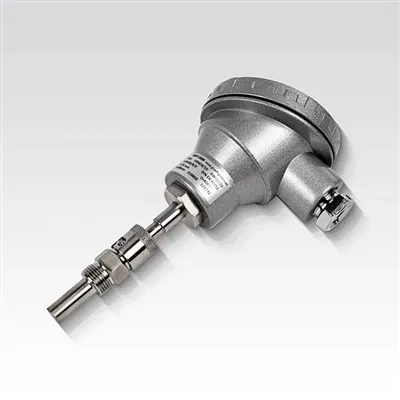
Let's talk about the different types of temperature indicators and how resolution varies among them. There are mechanical temperature indicators, like bimetallic thermometers. These are relatively simple and inexpensive. However, their resolution is usually limited. A typical bimetallic thermometer might have a resolution of 1°C or 2°C. They're great for basic temperature monitoring in applications where high precision isn't required, like in a home thermostat.
Digital temperature indicators, on the other hand, can offer much higher resolutions. They use electronic sensors and microprocessors to measure and display temperature. Some digital temperature indicators can have a resolution as high as 0.01°C or even better. These are commonly used in industries such as pharmaceuticals, food processing, and electronics manufacturing, where precise temperature control is essential.
When choosing a temperature indicator for your specific application, you need to carefully consider the required resolution. Here are some questions to ask yourself:
- How precise do my temperature measurements need to be? If you're dealing with a process that is highly sensitive to temperature changes, like semiconductor manufacturing, you'll need a high - resolution temperature indicator.
- What is my budget? High - resolution temperature indicators can be quite costly. You need to balance your need for precision with your financial constraints.
- What is the environment like where the temperature indicator will be used? If there's a lot of electrical noise or vibration, you might need to choose a temperature indicator that can handle these conditions without sacrificing accuracy.
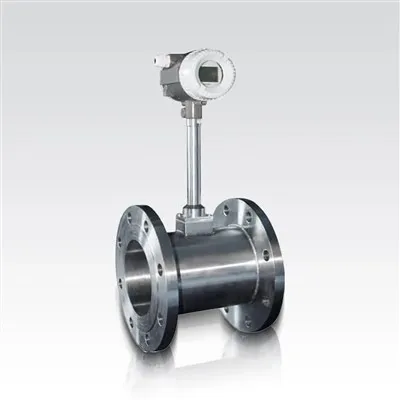
Now, as a temperature indicator supplier, I also offer a range of other related products. For example, if you're involved in measuring the flow of liquids or gases, we have some great options. You can check out our Turbine Flow Meter, which is a reliable and accurate device for measuring flow rates. The LDG Electromagnetic Flowmeter is another excellent choice, especially for applications where you need to measure the flow of conductive liquids. And if you're looking for a flowmeter that can handle a wide range of fluids and operating conditions, the Vortex Flowmeter might be just what you need.
If you're interested in purchasing temperature indicators or any of our other products, I'd love to have a chat with you. Whether you're a small business or a large industrial enterprise, we can help you find the right solutions for your needs. Just reach out to us, and we can start discussing your requirements and come up with the best options for you.
In conclusion, understanding the resolution of a temperature indicator is crucial for making the right choice for your application. It's not just about getting the highest resolution possible; it's about finding the right balance between precision, cost, and performance. So, take the time to evaluate your needs and don't hesitate to contact us if you have any questions or need further assistance.
References
- Fundamentals of Temperature Measurement, Instrumentation and Control Systems Handbook
- Temperature Measurement in Industrial Processes, Journal of Industrial Engineering