What is the pressure rating of a Homogenizer Pressure Gauge?
Leave a message

What is the Pressure Rating of a Homogenizer Pressure Gauge?
As a trusted supplier of Homogenizer Pressure Gauges, I often get asked about the pressure rating of these essential instruments. In this blog post, I'll delve into the concept of pressure ratings, their significance, and how they apply to homogenizer pressure gauges.
Understanding Pressure Rating
Pressure rating is a crucial specification for any pressure - measuring device, including homogenizer pressure gauges. It refers to the maximum amount of pressure that a gauge can safely and accurately measure. This rating is determined during the manufacturing process through rigorous testing and engineering calculations.
The pressure rating is not just a random number; it is based on the physical properties of the gauge's components, such as the materials used for the housing, the diaphragm or Bourdon tube (which are common pressure - sensing elements), and the internal mechanisms. For example, if a gauge has a pressure rating of 5000 psi (pounds per square inch), it means that the gauge is designed to handle pressures up to that level without failing or providing inaccurate readings.


Why Pressure Rating Matters
- Safety: One of the primary reasons why pressure rating is important is safety. If a pressure gauge is exposed to pressures higher than its rated capacity, it can lead to catastrophic failure. This could result in the release of high - pressure fluids or gases, which can cause serious injury to personnel and damage to equipment. For instance, in a homogenizer used in the food or pharmaceutical industry, a gauge failure due to over - pressure could contaminate the product and disrupt the production process.
- Accuracy: The accuracy of a pressure gauge is also affected by the pressure applied to it. When operating within its rated pressure range, a gauge is calibrated to provide accurate readings. However, if the pressure exceeds the rating, the gauge may become distorted, and the readings will no longer be reliable. This can lead to incorrect process control in a homogenization system, resulting in products that do not meet the required quality standards.
- Longevity: Using a pressure gauge within its pressure rating helps to ensure its long - term reliability. Components of the gauge are designed to withstand the stresses associated with the rated pressure. Exceeding this rating can cause premature wear and tear, reducing the lifespan of the gauge and increasing the frequency of replacements.
Factors Affecting Pressure Rating in Homogenizer Pressure Gauges
- Material Selection: The materials used in the construction of a homogenizer pressure gauge play a significant role in determining its pressure rating. For example, gauges with stainless - steel housings and diaphragms are often more resistant to high pressures compared to those made from less robust materials. Stainless steel can withstand the corrosive effects of many fluids used in homogenization processes, as well as the mechanical stresses associated with high - pressure applications.
- Design and Construction: The design of the pressure - sensing element is another critical factor. Bourdon tube gauges, which are commonly used in homogenizers, have different pressure ratings depending on the shape, size, and thickness of the tube. A thicker - walled Bourdon tube can generally withstand higher pressures than a thinner one. Additionally, the overall construction of the gauge, including the seals and connections, must be able to handle the rated pressure without leakage.
- Operating Conditions: The environment in which the pressure gauge operates can also affect its pressure rating. High temperatures, for example, can reduce the strength of the materials used in the gauge. In homogenization processes where high - temperature fluids are involved, special gauges with higher temperature ratings, such as High Temperature Mechanical Melt Presssure Gauges, may be required. Similarly, if the fluid being measured is highly viscous or contains abrasive particles, it can cause additional wear on the gauge components, potentially reducing its effective pressure rating.
Types of Homogenizer Pressure Gauges and Their Pressure Ratings
- Mechanical Pressure Gauges: Mechanical Presssure Gauge are widely used in homogenization systems due to their simplicity and reliability. These gauges typically have pressure ratings ranging from a few hundred psi to several thousand psi, depending on their design and construction. For example, a basic mechanical gauge used in a low - pressure homogenizer for laboratory applications may have a pressure rating of 1000 psi, while a heavy - duty gauge used in an industrial - scale homogenizer can have a rating of 5000 psi or more.
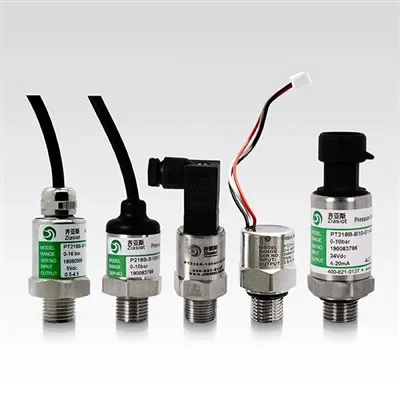
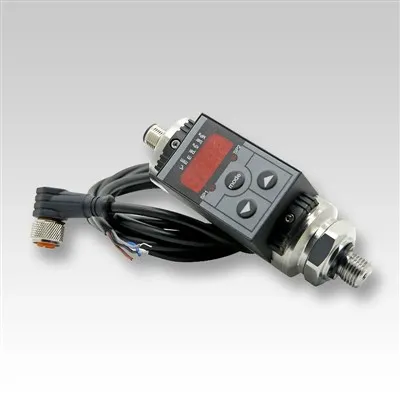
- Digital Pressure Gauges: Vacuum Digital Pressure Gauge are becoming increasingly popular in modern homogenization processes. They offer high accuracy and the ability to provide digital readouts, which can be easily integrated into control systems. Digital gauges can have a wide range of pressure ratings, from relatively low pressures for vacuum applications to very high pressures for high - pressure homogenizers. The pressure rating of a digital gauge is also influenced by the quality of its sensors and electronics.
Selecting the Right Pressure Rating for Your Homogenizer
When choosing a homogenizer pressure gauge, it is essential to consider the maximum pressure that the homogenization process will generate. This requires a thorough understanding of the homogenizer system, including the pump capacity, the type of fluid being processed, and the desired level of pressure for the homogenization process.
It is also advisable to select a gauge with a pressure rating that is slightly higher than the maximum expected pressure. This provides a safety margin and helps to ensure that the gauge can handle any temporary pressure spikes that may occur during the operation of the homogenizer.
Conclusion
The pressure rating of a homogenizer pressure gauge is a critical specification that affects safety, accuracy, and longevity. As a supplier of these gauges, we understand the importance of providing customers with gauges that are suitable for their specific applications. By considering factors such as material selection, design, and operating conditions, we can offer a wide range of pressure gauges with different pressure ratings to meet the diverse needs of our customers.
If you are in the market for a homogenizer pressure gauge or have any questions about pressure ratings, we encourage you to contact us for a detailed discussion. Our team of experts can help you select the right gauge for your homogenization system, ensuring safe and efficient operation.
References
- ASME B40.100 - 2013, Pressure Gauges and Gauge Attachments.
- ISO 5167 - 1:2003, Measurement of fluid flow by means of pressure differential devices inserted in circular cross - section conduits running full - Part 1: General principles and requirements.
- Technical literature from leading pressure gauge manufacturers.