
Can pressure switches be used in water systems?
Leave a message

Can pressure switches be used in water systems? You bet they can! As a pressure switch supplier, I've seen firsthand how these nifty devices can play a crucial role in water systems. Let's dive into the details and see why pressure switches are a great fit for water applications.
First off, what exactly is a pressure switch? Well, it's a simple yet powerful device that monitors the pressure in a system and triggers an action when the pressure reaches a certain set point. In a water system, this can be super useful for a variety of reasons.
One of the most common uses of pressure switches in water systems is for pump control. Imagine you have a well pump that supplies water to your home. You don't want the pump running all the time, right? That would waste energy and put unnecessary wear and tear on the pump. This is where a pressure switch comes in. You can set it to turn the pump on when the water pressure drops below a certain level (say, when you open a faucet and use water) and turn it off when the pressure reaches a higher set point. This way, the pump only runs when it needs to, saving you money and extending the life of the pump.


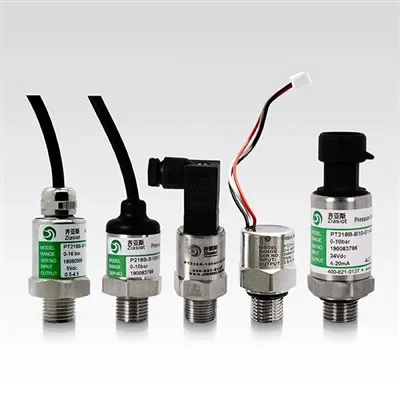
There are different types of pressure switches that can be used in water systems. For example, the Hydraulic Pressure Switch is designed to handle the pressures typically found in hydraulic and water systems. It's built tough to withstand the rigors of continuous use and can provide reliable performance over a long period.
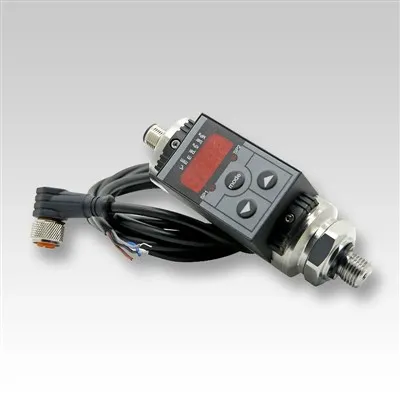
Another option is the Intelligent Water Air Pneumatic Hydraulic Pump Digital Pressure Switch. This is a more advanced type of pressure switch that offers digital control and monitoring capabilities. You can easily set the pressure set points using a digital display, and it can also provide feedback on the system's pressure status. This is great for applications where you need more precise control and monitoring of the water pressure.
If you're looking for a high - tech solution, the Smart Digital Pressure Switch is the way to go. It can be connected to other smart devices and systems, allowing you to remotely monitor and control the water pressure in your system. You can check the pressure readings on your smartphone or tablet and even adjust the set points if needed. This is really handy for large commercial water systems or for homeowners who want the convenience of remote control.
In addition to pump control, pressure switches can also be used for safety purposes in water systems. For example, in a water heater system, a pressure switch can be installed to monitor the pressure inside the tank. If the pressure gets too high, which could be a sign of a problem like a malfunctioning relief valve, the pressure switch can trigger an alarm or shut off the power to the heater to prevent a dangerous situation.
They're also useful in water treatment systems. In a reverse osmosis system, for instance, a pressure switch can be used to ensure that the water is flowing at the correct pressure through the membranes. If the pressure is too low, the system may not work efficiently, and if it's too high, it could damage the membranes. By using a pressure switch, you can keep the pressure within the optimal range for the system to function properly.
Now, let's talk about some of the factors to consider when choosing a pressure switch for a water system. First, you need to know the pressure range of your system. Different pressure switches are designed to handle different pressure levels, so you'll want to choose one that can handle the maximum and minimum pressures in your water system.
The type of fluid in the system is also important. Since we're talking about water systems, most pressure switches are suitable for use with water. However, if your water has certain contaminants or chemicals in it, you may need to choose a pressure switch that is resistant to those substances.
The accuracy of the pressure switch is another key factor. If you need precise control of the water pressure, you'll want a pressure switch with a high level of accuracy. Digital pressure switches generally offer better accuracy than mechanical ones.
Installation is also something to think about. Some pressure switches are easier to install than others. If you're not a professional plumber or technician, you may want to choose a pressure switch that comes with clear installation instructions and is relatively straightforward to install.
Maintenance is also an important consideration. You'll want a pressure switch that is easy to maintain and doesn't require a lot of upkeep. Look for pressure switches that have long - lasting components and are designed to be durable.
In conclusion, pressure switches are definitely a valuable addition to water systems. They offer a range of benefits, from pump control and energy savings to safety and system efficiency. Whether you're a homeowner looking to improve the performance of your home water system or a commercial property owner managing a large - scale water system, there's a pressure switch out there that can meet your needs.
If you're interested in learning more about pressure switches for your water system or are looking to make a purchase, don't hesitate to get in touch. We're here to help you find the right pressure switch for your specific application and can provide you with all the information and support you need. Contact us to start a discussion about your requirements and let's find the perfect pressure switch solution together.
References
- General knowledge of pressure switch applications in water systems from industry experience
- Product specifications and features from pressure switch manufacturers' documentation