
What is the pressure range suitable for water treatment applications?
Leave a message

In the realm of water treatment, understanding the appropriate pressure range is crucial for ensuring the efficiency, safety, and longevity of the entire system. As a supplier of Digital Pressure Gauges, I've witnessed firsthand how the right pressure management can make a significant difference in water treatment applications. In this blog, we'll delve into the suitable pressure ranges for various water treatment processes and how our pressure gauges can play a vital role in maintaining optimal conditions.
Importance of Pressure in Water Treatment
Pressure is a fundamental parameter in water treatment systems. It affects the flow rate, the efficiency of filtration processes, and the overall performance of pumps and other equipment. Incorrect pressure can lead to a range of issues, from reduced treatment efficiency to equipment damage and safety hazards. Therefore, accurately measuring and controlling pressure is essential for the smooth operation of water treatment plants.
Pressure Ranges in Different Water Treatment Processes
Filtration
Filtration is one of the most common processes in water treatment, used to remove suspended solids, particles, and contaminants from water. Different types of filters, such as sand filters, activated carbon filters, and membrane filters, operate at different pressure ranges.
- Sand Filters: These filters typically operate at relatively low pressures, usually between 10 to 30 psi (pounds per square inch). The pressure is used to force water through the sand bed, where particles are trapped. If the pressure is too high, it can cause the sand to compact and reduce the filtration efficiency. On the other hand, if the pressure is too low, the water flow may be insufficient to achieve the desired filtration rate.
- Membrane Filters: Membrane filtration processes, such as reverse osmosis (RO) and ultrafiltration (UF), require higher pressures. RO systems typically operate at pressures ranging from 150 to 400 psi, while UF systems operate at lower pressures, around 20 to 100 psi. The high pressure in RO systems is necessary to overcome the osmotic pressure and force water through the semi - permeable membrane, removing dissolved salts and other contaminants.
Our Digital Melt Presssure Gauges are highly accurate and can be used to monitor the pressure in these filtration systems, ensuring that the pressure remains within the optimal range for efficient operation.
Disinfection
Disinfection is another critical step in water treatment, used to kill or inactivate harmful microorganisms. Chlorination and ozonation are two common disinfection methods, and pressure can play a role in their effectiveness.
- Chlorination: In chlorination systems, pressure is used to inject chlorine gas or liquid chlorine into the water stream. The pressure required for chlorine injection is usually relatively low, around 20 to 50 psi. Maintaining the correct pressure is important to ensure proper mixing of chlorine with water and to prevent the formation of chlorine gas bubbles, which can reduce the disinfection efficiency.
- Ozonation: Ozonation systems require higher pressures to dissolve ozone gas in water. The pressure range for ozonation can vary from 30 to 100 psi, depending on the design of the system and the ozone concentration required. Our Vacuum Digital Pressure Gauge can be used to accurately measure the pressure in these disinfection systems, helping to optimize the disinfection process.
Pumping
Pumps are used throughout the water treatment process to move water from one stage to another. Different types of pumps, such as centrifugal pumps and positive displacement pumps, have different pressure requirements.
- Centrifugal Pumps: These pumps are commonly used in water treatment plants for large - scale water transfer. They can operate at a wide range of pressures, typically from 20 to 150 psi, depending on the pump design and the application. Centrifugal pumps work by converting rotational energy into kinetic energy and then into pressure energy. Monitoring the pressure with our digital pressure gauges can help ensure that the pump is operating efficiently and not overloading.
- Positive Displacement Pumps: Positive displacement pumps, such as piston pumps and diaphragm pumps, are used when a constant flow rate and pressure are required. They can generate higher pressures than centrifugal pumps, often ranging from 100 to 1000 psi or more, depending on the pump type and size.
Factors Affecting the Suitable Pressure Range
Several factors can influence the suitable pressure range for water treatment applications:
- Water Quality: The quality of the raw water can affect the pressure requirements. For example, water with a high concentration of suspended solids may require higher pressures in filtration systems to achieve the desired level of treatment.
- Treatment Capacity: The size of the water treatment plant and the required treatment capacity can also impact the pressure range. Larger plants may require higher pressures to ensure adequate water flow through the system.
- Equipment Design: The design and specifications of the water treatment equipment, such as pumps, filters, and membranes, determine the pressure limits and optimal operating ranges.
Our Digital Pressure Gauges for Water Treatment
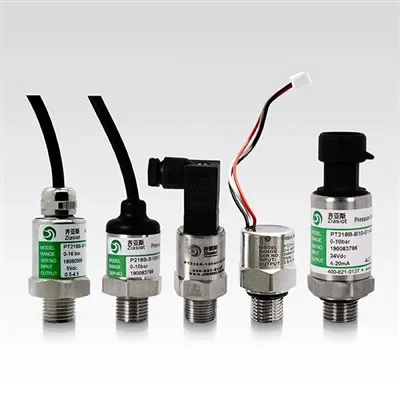
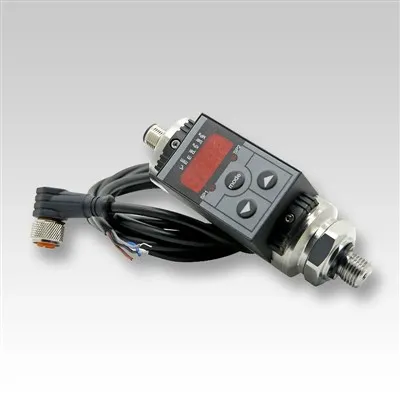
As a supplier of Digital Pressure Gauges, we offer a wide range of products suitable for water treatment applications. Our gauges are designed to provide accurate and reliable pressure measurements in various conditions.
- High Accuracy: Our digital pressure gauges have a high level of accuracy, ensuring that you can precisely monitor the pressure in your water treatment system. This accuracy is essential for maintaining optimal process conditions and preventing equipment damage.
- Durability: Water treatment environments can be harsh, with exposure to chemicals, high temperatures, and moisture. Our gauges are built to withstand these conditions, with robust construction and corrosion - resistant materials.
- Easy Installation and Use: Our digital pressure gauges are easy to install and operate. They come with clear displays and user - friendly interfaces, allowing operators to quickly and easily read the pressure readings.
In addition to our standard digital pressure gauges, we also offer High Temperature Mechanical Melt Presssure Gauges for applications where high temperatures are involved. These gauges are specifically designed to measure pressure in high - temperature environments, ensuring accurate readings even under extreme conditions.


Conclusion
In conclusion, understanding the suitable pressure range for water treatment applications is essential for the efficient and safe operation of water treatment systems. By accurately measuring and controlling the pressure, you can optimize the performance of your equipment, improve treatment efficiency, and extend the lifespan of your water treatment plant.
If you are in the market for high - quality Digital Pressure Gauges for your water treatment application, we invite you to contact us for a detailed discussion. Our team of experts can help you select the right pressure gauge for your specific needs and provide you with the support and service you deserve. Let's work together to ensure the success of your water treatment project.
References
- "Water Treatment Principles and Design" by David W. Hendricks, et al.
- "Pressure Gauges: Selection, Installation, and Maintenance" by Instrumentation Engineers Handbook.