
What is the noise level of a Vortex Flowmeter during operation?
Leave a message

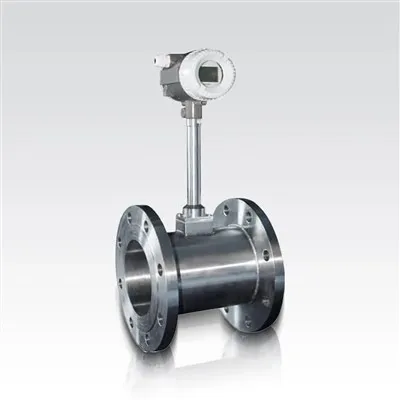
Hey there! As a supplier of Vortex Flowmeters, I often get asked about the noise level during their operation. In this blog, I'm gonna break down what you need to know about the noise associated with Vortex Flowmeters.
First off, let's understand how a Vortex Flowmeter works. These meters operate based on the principle of the von Kármán vortex street. When a fluid (either liquid or gas) flows past a bluff body in the flowmeter, it creates alternating vortices on either side of the bluff body. The frequency of these vortices is directly proportional to the flow velocity of the fluid. This frequency is then measured and converted into a flow rate reading.
Now, the noise level of a Vortex Flowmeter during operation is a concern for many users. The noise mainly comes from two sources: the generation of vortices and the mechanical vibrations within the meter.
The creation of vortices itself can produce a certain amount of noise. As the fluid flows around the bluff body and forms these swirling vortices, it causes small pressure fluctuations in the fluid. These pressure fluctuations can translate into audible noise, especially when the flow rate is high. It's a bit like the sound you hear when wind blows through a narrow gap or around an object; the air flow creates eddies and makes a whistling or whooshing sound.
The mechanical components of the Vortex Flowmeter can also contribute to the noise. The sensor that detects the vortex frequency is usually attached to the body of the meter. Any vibrations in the sensor or the supporting structure can generate noise. For example, if the meter is not properly installed or if there are loose parts, the vibrations can be amplified, leading to more noticeable noise.


But don't worry too much! The noise level of a well - designed and properly installed Vortex Flowmeter is generally quite low. Most of the time, it's within an acceptable range for industrial environments. In fact, compared to some other types of flowmeters, like the Turbine Flow Meter, Vortex Flowmeters tend to be quieter. Turbine Flow Meters have rotating parts, and the mechanical movement of these parts can create significant noise, especially at high flow rates.
Another flowmeter for comparison is the LDG Electromagnetic Flowmeter. This type of flowmeter works based on electromagnetic induction and doesn't have any moving parts that generate mechanical noise. However, in some cases where there are electrical interference or improper grounding, it might have its own set of issues. Vortex Flowmeters, on the other hand, have a relatively simple and robust design, which helps keep the noise under control.
To give you an idea of the actual noise levels, in a typical industrial setting with a medium - sized Vortex Flowmeter operating at a normal flow rate, the noise level is usually around 50 - 60 decibels. This is about the same as the noise level in a quiet office environment. Of course, if the flow rate is very high or if there are installation problems, the noise can be higher.
So, how can you ensure that the noise level of your Vortex Flowmeter stays low?
Proper installation is key. Make sure the meter is installed in a straight section of the pipeline, away from any bends, valves, or other flow - disturbing elements. This helps to ensure a smooth and stable flow past the bluff body, reducing the formation of excessive vortices and associated noise. Also, ensure that all the mounting bolts are tightened properly to prevent any mechanical vibrations.
Regular maintenance is also important. Check the meter periodically for any signs of wear or damage to the sensor or other components. If you notice any loose parts or abnormal vibrations, address them immediately.
If you're still concerned about the noise level, there are some additional measures you can take. For example, you can use acoustic insulation around the meter. This can help to absorb and dampen the noise, reducing its impact on the surrounding environment.
In conclusion, the noise level of a Vortex Flowmeter during operation is generally low and manageable. With proper installation, maintenance, and maybe a little extra insulation, you can keep the noise to a minimum.
If you're in the market for a reliable and quiet flowmeter, our Vortex Flowmeter is a great choice. We've spent years perfecting our design to ensure high - performance and low - noise operation. Whether you're in the chemical industry, the food and beverage sector, or any other field that requires accurate flow measurement, our Vortex Flowmeters can meet your needs.
If you're interested in learning more or want to discuss your specific requirements, feel free to reach out. We're always here to help you find the best flow measurement solution for your business.
References
- Flow Measurement Handbook: Industrial Designs and Applications by Ralph W. Miller
- Principles of Flow Measurement by Richard W. Miller