Can MEMS pressure transmitters be used in oil and gas industry?
Leave a message

In the dynamic landscape of the oil and gas industry, the demand for precise, reliable, and durable measurement devices is ever - increasing. One such technology that has been making waves in recent years is the Micro - Electro - Mechanical Systems (MEMS) pressure transmitter. As a supplier of MEMS pressure transmitters, I am often asked whether these devices can be effectively used in the oil and gas industry. In this blog post, I will delve into the capabilities of MEMS pressure transmitters and evaluate their suitability for this challenging sector.
Understanding MEMS Pressure Transmitters
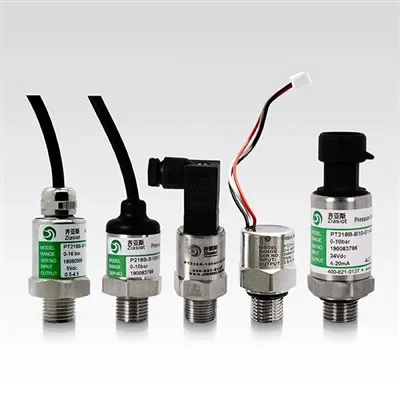
Before exploring their application in the oil and gas industry, it's essential to understand what MEMS pressure transmitters are. MEMS technology combines mechanical and electrical components on a microscopic scale, typically fabricated using semiconductor manufacturing processes. A MEMS pressure transmitter works by converting pressure into an electrical signal. The core of the device is a tiny pressure - sensing element, which deforms under pressure. This deformation is then translated into an electrical output, usually in the form of a voltage or current signal, which can be further processed and analyzed.
The main advantages of MEMS pressure transmitters include their small size, low cost, high sensitivity, and low power consumption. These features make them attractive for a wide range of applications, from consumer electronics to automotive and industrial sectors.
Challenges in the Oil and Gas Industry
The oil and gas industry operates in some of the most demanding environments on Earth. Wells can be located in remote areas, both onshore and offshore, where temperature, pressure, and corrosive conditions are extreme. In addition, the industry requires high - precision measurements for various processes, such as reservoir monitoring, wellhead control, and pipeline management.
High pressures are a common occurrence in oil and gas operations. Downhole pressures can reach several thousand pounds per square inch (psi), and pipeline pressures also need to be accurately monitored to ensure safe and efficient operation. Temperature variations can be significant, from the cold temperatures of Arctic regions to the high - heat environments near geothermal areas. Moreover, the presence of corrosive substances like hydrogen sulfide (H₂S) and carbon dioxide (CO₂) in oil and gas wells can quickly degrade equipment if it is not properly protected.
Can MEMS Pressure Transmitters Meet the Challenges?
Pressure Range
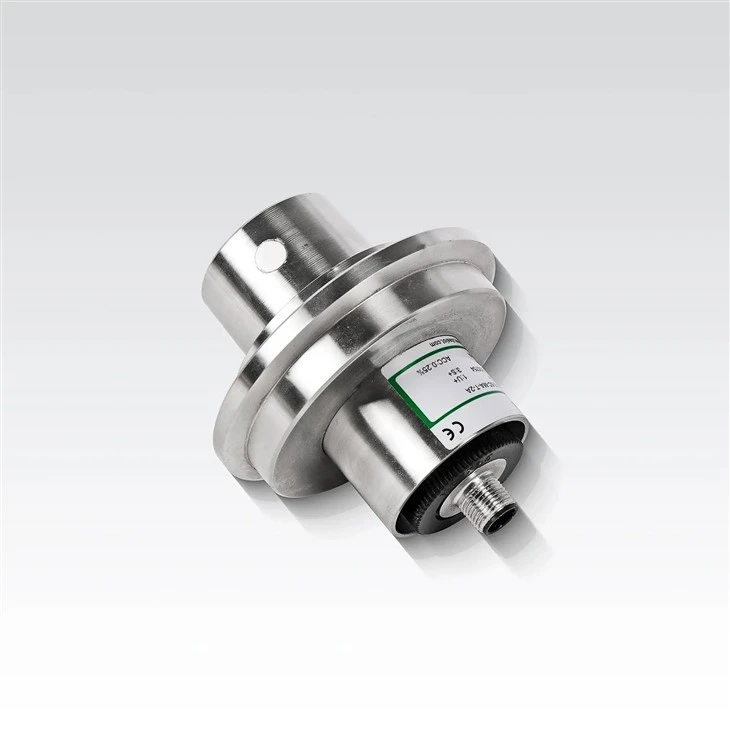
Modern MEMS pressure transmitters are available in a wide range of pressure ratings. While some consumer - grade MEMS sensors may have relatively low pressure ranges, industrial - grade MEMS pressure transmitters can be designed to handle high pressures. Many of our MEMS pressure transmitters can measure pressures up to 10,000 psi or even higher, which is sufficient for a significant portion of oil and gas applications, including wellhead pressure monitoring and some pipeline operations.

Temperature Resistance
Temperature is a critical factor in the oil and gas industry. Extreme temperatures can affect the performance of pressure sensors, leading to inaccurate readings. However, advances in MEMS technology have enabled the development of pressure transmitters with enhanced temperature compensation. Our MEMS pressure transmitters are equipped with temperature - compensation algorithms and materials that can maintain accurate measurements over a wide temperature range, typically from - 40°C to 125°C. In some specialized applications, we can even provide sensors that can withstand temperatures up to 200°C.
Corrosion Resistance
To combat the corrosive nature of oil and gas environments, MEMS pressure transmitters can be coated with protective materials. For example, we use corrosion - resistant coatings such as Parylene or special metal alloys on the sensing elements and the outer housing of our transmitters. These coatings act as a barrier between the sensitive MEMS components and the corrosive substances, ensuring long - term reliability.
Accuracy and Reliability
Accuracy is of utmost importance in the oil and gas industry. MEMS pressure transmitters can offer high - level accuracy, with some models achieving an accuracy of ±0.1% full - scale. Additionally, MEMS technology has a high degree of repeatability, meaning that the same pressure input will consistently produce the same output signal over time. This reliability is crucial for long - term monitoring applications in the oil and gas field.
Applications of MEMS Pressure Transmitters in the Oil and Gas Industry
Reservoir Monitoring
Monitoring the pressure in oil and gas reservoirs is essential for optimal production. MEMS pressure transmitters can be installed downhole to measure the reservoir pressure accurately. Their small size allows for easy integration into existing wellbore systems, and their low power consumption is beneficial for long - term, battery - powered operations. By continuously monitoring the reservoir pressure, operators can make informed decisions about production rates, well stimulation, and reservoir management.
Wellhead Control
Wellhead pressure control is a critical safety and operational aspect of oil and gas production. MEMS pressure transmitters can be used to monitor the pressure at the wellhead, providing real - time data to control systems. If the pressure exceeds safe limits, the control system can take immediate action, such as shutting down the well or adjusting the flow rate. The high - speed response time of MEMS pressure transmitters ensures that any pressure changes are detected quickly, enhancing the safety and efficiency of well operations.
Pipeline Monitoring
In pipeline systems, MEMS pressure transmitters can be used to monitor the pressure along the pipeline. This helps in detecting leaks, blockages, and ensuring the proper flow of oil and gas. The small size of MEMS sensors allows for easy installation at various points along the pipeline, and their low cost makes it feasible to deploy multiple sensors for comprehensive monitoring.
A Case in Point: MEMS Pressure Sensor for Shield Tunneling Machine
Although the link is about a MEMS pressure sensor for shield tunneling machines, it showcases the versatility of MEMS technology. The principles of high - precision measurement, durability, and adaptability to harsh environments are similar in both tunneling and oil and gas applications. The same MEMS technology that can withstand the tough conditions in tunneling operations can also be tailored to meet the requirements of the oil and gas industry.
Conclusion
In conclusion, MEMS pressure transmitters have significant potential in the oil and gas industry. Their small size, low cost, high sensitivity, and ability to withstand harsh environments make them a viable option for many applications in this sector. While there are still some challenges to overcome, such as further improving high - temperature performance and long - term stability in extremely corrosive conditions, continuous advancements in MEMS technology are addressing these issues.
As a supplier of MEMS pressure transmitters, we are committed to providing high - quality products that meet the specific needs of the oil and gas industry. Our team of experts can work with you to customize solutions for your unique applications, ensuring accurate and reliable pressure measurements.
If you are in the oil and gas industry and are interested in exploring the use of MEMS pressure transmitters for your operations, we invite you to contact us for a detailed discussion. We can provide you with more information about our products, conduct feasibility studies, and assist you in integrating MEMS pressure transmitters into your existing systems. Let's work together to enhance the efficiency and safety of your oil and gas operations.
References
- Smith, J. (2018). "Advances in MEMS Pressure Sensor Technology for Industrial Applications." Journal of Sensors and Actuators.
- Brown, A. (2019). "Challenges and Solutions in Oil and Gas Measurement." Oil and Gas Engineering Review.
- Johnson, R. (2020). "MEMS Technology in Harsh Environments." Micro - Electro - Mechanical Systems Journal.