
What is the frequency response of a turbine flowmeter?
Leave a message

Hey there! As a supplier of Turbine Flowmeters, I often get asked about the frequency response of these nifty devices. So, I thought I'd sit down and write a blog post to share everything I know about it.
Let's start with the basics. A turbine flowmeter is a type of flowmeter that measures the flow rate of a fluid by detecting the rotation of a turbine blade placed in the path of the fluid. The fluid flowing through the meter causes the turbine to spin, and the rotational speed is proportional to the flow rate. The frequency response of a turbine flowmeter refers to how well the meter can respond to changes in the flow rate over time.
Now, why is frequency response important? Well, in many industrial applications, the flow rate of a fluid can change rapidly. For example, in a chemical processing plant, the flow rate of a reactant might need to be adjusted quickly to maintain the correct reaction conditions. If the flowmeter can't keep up with these rapid changes, it might give inaccurate readings, which can lead to all sorts of problems, like product quality issues or even safety hazards.
So, how does the frequency response of a turbine flowmeter work? It all comes down to the design of the turbine and the electronics used to measure its rotation. The turbine needs to be able to spin freely and respond quickly to changes in the flow rate. A well - designed turbine will have low inertia, which means it can speed up or slow down rapidly as the flow rate changes.
The electronics part is also crucial. The sensors that detect the rotation of the turbine need to be fast and accurate. They convert the mechanical rotation of the turbine into an electrical signal, usually a frequency signal. The frequency of this signal is then proportional to the flow rate. High - quality electronics can process these signals quickly and accurately, allowing the flowmeter to respond to rapid changes in the flow rate.
There are a few factors that can affect the frequency response of a turbine flowmeter. One of the main factors is the viscosity of the fluid. If the fluid is very viscous, it can cause more drag on the turbine, making it harder for the turbine to spin freely and respond quickly to changes in the flow rate. In general, turbine flowmeters work best with low - viscosity fluids.
The size of the flowmeter also matters. Smaller flowmeters tend to have a better frequency response because they have less mass and inertia. They can respond more quickly to changes in the flow rate compared to larger flowmeters. However, smaller flowmeters might have limitations in terms of the maximum flow rate they can measure.
Another factor is the type of installation. If the flowmeter is installed in a pipeline with a lot of turbulence or irregular flow patterns, it can affect the rotation of the turbine and, therefore, the frequency response. It's important to install the flowmeter in a location where the flow is as smooth and uniform as possible.
Now, let's talk about some real - world applications. In the oil and gas industry, turbine flowmeters are widely used to measure the flow of crude oil, refined products, and natural gas. In these applications, the flow rate can change quite rapidly, especially during the start - up or shut - down of a pipeline or a processing unit. A turbine flowmeter with a good frequency response can accurately measure these changes, helping to ensure efficient and safe operation.
In the food and beverage industry, turbine flowmeters are used to measure the flow of liquids like milk, juice, and beer. The ability to respond quickly to changes in the flow rate is important for maintaining consistent product quality. For example, if the flow rate of a flavoring agent changes suddenly, the flowmeter needs to detect this change so that the correct amount can be added to the product.


When it comes to choosing a turbine flowmeter, you should look for one that offers a good frequency response for your specific application. At our company, we offer a wide range of turbine flowmeters that are designed to meet different requirements. You can check out our Turbine Flow Meter on our website.
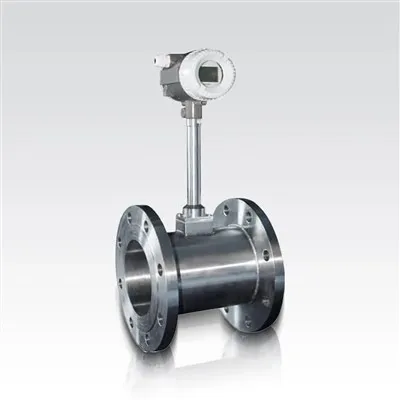
If you're dealing with conductive fluids, you might also be interested in our LDG Electromagnetic Flowmeter. This type of flowmeter works on a different principle but can be a great option for some applications. And if you need to measure the flow of gases or low - viscosity liquids in a different way, our Vortex Flowmeter could be the right choice.
We understand that every customer's needs are unique, and we're here to help you find the best flowmeter solution. Whether you're in the manufacturing, chemical, or any other industry, our team of experts can provide you with detailed information and guidance on choosing the right flowmeter for your application.
If you're interested in purchasing a turbine flowmeter or have any questions about the frequency response or other aspects of our products, don't hesitate to reach out to us. We're always happy to have a chat and discuss how our flowmeters can meet your needs.
In conclusion, the frequency response of a turbine flowmeter is a critical aspect that can have a big impact on its performance in real - world applications. By understanding how it works and the factors that affect it, you can make a more informed decision when choosing a flowmeter for your business.
References:
- Handbook of Flow Measurement
- Industrial Flowmeter Applications Guide