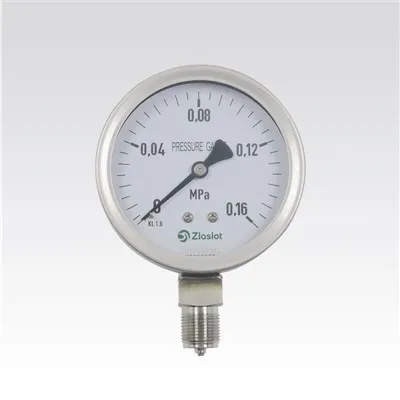

What are the requirements for a melt pressure indicator in a glass - melting process?
Leave a message

In the intricate landscape of glass manufacturing, the glass - melting process stands as a cornerstone. At the heart of this process lies the melt pressure indicator, a crucial instrument that plays a pivotal role in ensuring the efficiency, safety, and quality of glass production. As a supplier of melt pressure indicators, I am well - versed in the requirements that these devices must meet to function optimally in a glass - melting environment.
1. Accuracy and Precision
One of the primary requirements for a melt pressure indicator in a glass - melting process is high accuracy and precision. The pressure in a glass - melting furnace can vary significantly depending on factors such as the type of glass being produced, the temperature, and the flow rate of the molten glass. Even a minor error in pressure measurement can lead to serious consequences, such as inconsistent glass quality, production delays, or even equipment damage.


A high - quality melt pressure indicator should be able to measure pressure with an accuracy of at least ±0.5% of the full - scale reading. This level of accuracy ensures that operators can make informed decisions based on the pressure data, such as adjusting the flow rate of raw materials or controlling the temperature of the furnace. Precision is equally important, as it allows for repeatable and reliable measurements over time. A precise melt pressure indicator will provide consistent readings under the same operating conditions, which is essential for maintaining stable production processes.
2. Temperature Resistance
The glass - melting process involves extremely high temperatures, often exceeding 1000°C. Therefore, a melt pressure indicator must be able to withstand these harsh thermal conditions without compromising its performance. The materials used in the construction of the indicator should have high melting points and excellent thermal stability.
Most melt pressure indicators designed for glass - melting applications are made from special alloys that can resist high temperatures and corrosion. These alloys are carefully selected to ensure that the indicator can operate continuously in the high - temperature environment of the glass - melting furnace. Additionally, the internal components of the indicator, such as the pressure sensor and the electronics, are often protected by heat - resistant coatings or insulation to prevent damage from the intense heat.
When considering a melt pressure indicator, it is also important to take into account the temperature range over which it can operate accurately. Some indicators are designed to work within a specific temperature range, and using them outside of this range can lead to inaccurate readings or even failure. For more information on temperature - related instruments, you can visit our Temperature Indicator page.
3. Chemical Compatibility
The molten glass in a glass - melting furnace contains various chemical compounds, some of which can be highly corrosive. A melt pressure indicator must be chemically compatible with the molten glass and other substances present in the furnace to avoid corrosion and degradation.
The wetted parts of the indicator, which come into contact with the molten glass, are typically made from materials that are resistant to chemical attack. For example, some indicators use ceramic or platinum - based materials for the pressure - sensing element, as these materials have excellent chemical resistance. The outer housing of the indicator may also be coated with a protective layer to prevent corrosion from the surrounding environment.
Ensuring chemical compatibility is crucial for the long - term reliability of the melt pressure indicator. Corrosion can cause the indicator to malfunction, leading to inaccurate pressure measurements and potential safety hazards. Therefore, it is essential to choose an indicator that is specifically designed for use in the glass - melting industry and has been tested for chemical compatibility with the relevant molten glass compositions.
4. Response Time
In a dynamic glass - melting process, the pressure can change rapidly due to factors such as the addition of raw materials, changes in the furnace temperature, or adjustments to the flow rate. A melt pressure indicator must have a fast response time to accurately track these pressure changes in real - time.
A short response time allows operators to react quickly to changes in pressure and make the necessary adjustments to the production process. For example, if the pressure suddenly increases, the operator can take steps to prevent over - pressurization of the furnace, which could lead to equipment failure or safety issues. A typical melt pressure indicator should have a response time of less than 1 second to ensure timely and accurate pressure monitoring.
5. Ease of Installation and Maintenance
Installing and maintaining a melt pressure indicator in a glass - melting furnace can be a challenging task due to the high - temperature and harsh environment. Therefore, an ideal indicator should be easy to install and require minimal maintenance.
The indicator should come with clear installation instructions and be designed in a way that allows for straightforward mounting in the furnace. It should also be compatible with standard piping and connection systems used in the glass - melting industry. Additionally, the indicator should be designed for easy access to the internal components for maintenance and calibration.
Regular maintenance is essential for ensuring the accurate and reliable operation of the melt pressure indicator. This includes periodic calibration to ensure that the indicator is providing accurate pressure readings, as well as inspection and cleaning of the wetted parts to prevent clogging and corrosion. Some indicators are designed with self - diagnostic features that can alert operators to potential problems, making maintenance more efficient.
6. Signal Output and Communication
A melt pressure indicator should be able to provide clear and reliable signal output for integration with other control systems in the glass - melting plant. Common signal outputs include 4 - 20 mA, 0 - 5 V, or digital signals such as Modbus or Profibus.
The ability to communicate with other devices is essential for centralized control and monitoring of the glass - melting process. For example, the pressure data from the indicator can be sent to a programmable logic controller (PLC) or a distributed control system (DCS) for further analysis and control. This allows operators to have a comprehensive view of the process and make informed decisions based on the pressure readings.
If you are looking for a more advanced solution that combines pressure indication and control, our Melt Pressure Controller offers intelligent PID control capabilities for precise pressure regulation in the glass - melting process.
7. Safety Features
Safety is of utmost importance in the glass - melting industry. A melt pressure indicator should be equipped with safety features to protect the operators and the equipment. For example, some indicators have over - pressure protection mechanisms that can prevent damage to the indicator and the surrounding equipment in case of a sudden pressure spike.
The indicator may also have built - in alarms that can alert operators when the pressure exceeds a predefined limit. These alarms can be visual, such as a flashing light, or auditory, such as a buzzer. In addition, the indicator should be designed to meet relevant safety standards and regulations to ensure safe operation in the glass - melting environment.
Contact for Purchase and Negotiation
If you are in the glass - melting industry and are looking for a high - quality melt pressure indicator that meets all the above requirements, we are here to help. Our Melt Pressure Indicator is specifically designed for use in glass - melting processes, offering accuracy, temperature resistance, chemical compatibility, and other essential features.
We understand that each glass - melting application is unique, and we are committed to providing customized solutions to meet your specific needs. Whether you need a single indicator or a complete system, our team of experts can work with you to select the most suitable product and provide comprehensive technical support.
Contact us today to start the negotiation process and find the perfect melt pressure indicator for your glass - melting operation. We look forward to partnering with you to enhance the efficiency, safety, and quality of your glass production.
References
- Glass Manufacturing Handbook: A Comprehensive Guide to Glass Production Processes, 2nd Edition.
- Journal of Glass Science and Technology, various issues related to process control in glass - melting.
- Industry standards and guidelines for pressure measurement in high - temperature industrial applications.