
What is the effect of fluid impurities on a Vortex Flowmeter?
Leave a message

As a supplier of Vortex Flowmeters, I've witnessed firsthand the critical role these devices play in accurately measuring fluid flow across various industries. One aspect that often comes under scrutiny is the effect of fluid impurities on a Vortex Flowmeter. In this blog post, we'll delve into this topic, exploring how different types of impurities can impact the performance of these flowmeters and what steps can be taken to mitigate potential issues.
Understanding Vortex Flowmeters
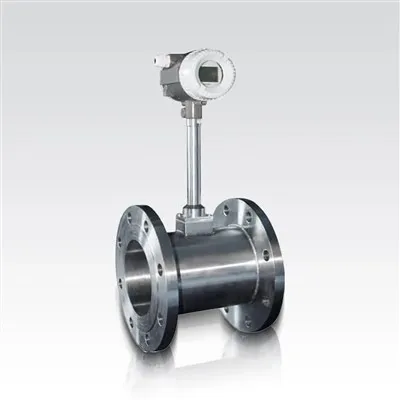
Before we dive into the effects of fluid impurities, let's briefly review how Vortex Flowmeters work. A Vortex Flowmeter operates on the principle of the von Kármán vortex street. When a fluid flows past a bluff body (also known as a shedder bar) placed in the flow path, alternating vortices are shed from either side of the bluff body. The frequency of these vortex shedding is directly proportional to the fluid velocity, allowing the flowmeter to calculate the volumetric flow rate of the fluid.
Vortex Flowmeters are known for their high accuracy, wide turndown ratio, and low maintenance requirements. They are commonly used in applications involving steam, gas, and liquid flow measurement in industries such as oil and gas, chemical processing, power generation, and water treatment. You can learn more about our Vortex Flowmeter on our website.
Types of Fluid Impurities
Fluid impurities can be broadly classified into two categories: solid particles and dissolved substances. Solid particles can include sand, rust, scale, and other debris that may be present in the fluid due to pipeline corrosion, wear and tear, or the nature of the fluid itself. Dissolved substances, on the other hand, can include salts, acids, alkalis, and other chemicals that are dissolved in the fluid.
Effects of Solid Particles on Vortex Flowmeters
Erosion and Wear
One of the most significant effects of solid particles on Vortex Flowmeters is erosion and wear. As the fluid containing solid particles flows past the bluff body and other internal components of the flowmeter, the particles can cause abrasion, gradually wearing down the surfaces of these components. Over time, this can lead to changes in the shape and dimensions of the bluff body, which can affect the vortex shedding frequency and ultimately the accuracy of the flow measurement.
Erosion and wear can also cause damage to the sensor elements of the flowmeter, such as the piezoelectric sensors used to detect the vortex shedding. This can result in reduced sensitivity, signal noise, and even sensor failure, leading to inaccurate or unreliable flow measurements.
Clogging
Solid particles can also cause clogging in the flowmeter. If the particles are large enough or if there is a high concentration of particles in the fluid, they can accumulate in the flow path, blocking the flow of fluid and preventing the proper formation of the vortex street. This can lead to a decrease in the measured flow rate or even a complete loss of flow signal.
Clogging can also occur in the small passages and orifices of the flowmeter, such as the pressure ports and the sensor housing. This can affect the pressure measurements and the overall performance of the flowmeter.
Impact on Vortex Shedding
Solid particles can disrupt the formation of the vortex street, leading to irregular or unstable vortex shedding. This can result in fluctuations in the measured flow rate and increased measurement uncertainty. The presence of solid particles can also cause changes in the fluid density and viscosity, which can further affect the vortex shedding frequency and the accuracy of the flow measurement.
Effects of Dissolved Substances on Vortex Flowmeters
Corrosion
Dissolved substances such as salts, acids, and alkalis can cause corrosion of the internal components of the Vortex Flowmeter. Corrosion can weaken the structural integrity of the flowmeter, leading to leaks, cracks, and other damage. It can also affect the surface finish of the bluff body and other components, which can alter the vortex shedding characteristics and the accuracy of the flow measurement.
Deposition
Some dissolved substances can precipitate out of the fluid and form deposits on the internal surfaces of the flowmeter. These deposits can accumulate over time, altering the shape and dimensions of the bluff body and other components, and affecting the vortex shedding frequency. Deposits can also cause clogging in the flow path, similar to solid particles, leading to reduced flow rates and inaccurate measurements.
Chemical Reaction
Dissolved substances can also react with the materials of the flowmeter, causing chemical changes that can affect its performance. For example, certain chemicals can react with the sensor elements, altering their electrical properties and reducing their sensitivity. This can result in inaccurate flow measurements and potential sensor failure.
Mitigating the Effects of Fluid Impurities
Filtration
One of the most effective ways to mitigate the effects of solid particles on Vortex Flowmeters is to install a filter upstream of the flowmeter. A filter can remove solid particles from the fluid before it enters the flowmeter, reducing the risk of erosion, wear, and clogging. The type and size of the filter should be selected based on the size and concentration of the solid particles in the fluid.
Material Selection
Choosing the right materials for the Vortex Flowmeter can also help to mitigate the effects of fluid impurities. For applications involving corrosive fluids, flowmeters made of corrosion-resistant materials such as stainless steel, titanium, or ceramic can be used. These materials can withstand the corrosive effects of dissolved substances and reduce the risk of damage to the flowmeter.
Regular Maintenance
Regular maintenance is essential to ensure the proper functioning of Vortex Flowmeters in the presence of fluid impurities. This includes inspecting the flowmeter for signs of erosion, wear, corrosion, and clogging, and cleaning or replacing any damaged components as needed. Calibration should also be performed regularly to ensure the accuracy of the flow measurement.
Other Flowmeter Options
In some cases, where the fluid contains a high concentration of impurities or where the impurities are particularly abrasive or corrosive, alternative flowmeter technologies may be more suitable. For example, Turbine Flow Meters are less sensitive to solid particles and can be used in applications where the fluid contains a moderate amount of debris. LDG Electromagnetic Flowmeters are also a good option for measuring the flow of conductive fluids, as they are not affected by solid particles or dissolved substances in the same way as Vortex Flowmeters.


Conclusion
Fluid impurities can have a significant impact on the performance of Vortex Flowmeters, affecting their accuracy, reliability, and longevity. By understanding the types of fluid impurities and their effects on the flowmeter, and by taking appropriate measures to mitigate these effects, such as filtration, material selection, and regular maintenance, it is possible to ensure the proper functioning of Vortex Flowmeters in challenging operating conditions.
If you're considering purchasing a Vortex Flowmeter or need more information about how to address the effects of fluid impurities in your specific application, please don't hesitate to contact us. Our team of experts is ready to assist you in selecting the right flowmeter and providing you with the support and guidance you need to ensure accurate and reliable flow measurement.
References
- ISO 9951:2015, “Measurement of fluid flow in closed conduits - Vortex flowmeters - Requirements for installation and operation.”
- ASME MFC-6M-2012, “Measurement of Fluid Flow in Closed Conduits Using Vortex Flowmeters.”
- Flow Measurement Handbook: Industrial Designs and Applications, Third Edition, by Richard W. Miller.