What is the difference between a single - stage and a multi - stage pressure switch?
Leave a message

In the industrial realm, pressure switches are crucial components that play a vital role in ensuring the safety, efficiency, and proper operation of various systems. As a trusted pressure switches supplier, I often encounter inquiries regarding the differences between single - stage and multi - stage pressure switches. In this blog, I will delve into the characteristics, applications, and advantages of each type to help you make an informed decision for your specific needs.
Single - Stage Pressure Switches
A single - stage pressure switch is a relatively straightforward device. It is designed to activate or deactivate an electrical circuit when the pressure in a system reaches a pre - set single pressure point. This pressure point is known as the setpoint. Once the pressure reaches this setpoint, the switch changes its state, which can be used to control pumps, valves, or other equipment.
How it Works
The basic principle behind a single - stage pressure switch involves a pressure - sensitive element, such as a diaphragm or a piston. When the pressure in the system acts on this element, it causes a mechanical movement. This movement is then translated into an electrical signal through a set of contacts. For example, in a simple water pumping system, when the water pressure in a tank drops below the setpoint of the single - stage pressure switch, the switch closes the electrical circuit, which activates the pump. As the water pressure rises and reaches the setpoint again, the switch opens the circuit, stopping the pump.
Applications
Single - stage pressure switches are widely used in applications where a simple on - off control based on a single pressure level is sufficient. Some common examples include:
- Residential Water Systems: In homes, single - stage pressure switches are used in well - water systems to control the operation of the water pump. They ensure that the water pressure in the plumbing system remains within an acceptable range.
- HVAC Systems: In heating, ventilation, and air - conditioning systems, single - stage pressure switches can be used to monitor the refrigerant pressure. If the pressure goes outside the normal range, the switch can trigger an alarm or shut down the system to prevent damage.
- Small - Scale Industrial Equipment: For small - scale industrial machinery, such as air compressors or hydraulic presses, single - stage pressure switches can be used to control the start and stop of the equipment based on the pressure requirements.
Advantages
- Simplicity: One of the main advantages of single - stage pressure switches is their simplicity. They are easy to install, set up, and maintain. Since there is only one setpoint to adjust, there is less complexity involved in the configuration process.
- Cost - Effective: Single - stage pressure switches are generally more cost - effective than multi - stage pressure switches. This makes them a popular choice for applications where budget is a concern.
Multi - Stage Pressure Switches
A multi - stage pressure switch, on the other hand, is capable of monitoring and responding to multiple pressure levels. It has two or more setpoints, which allows for more complex control strategies.
How it Works
Multi - stage pressure switches typically have multiple pressure - sensitive elements or a more sophisticated mechanism that can detect different pressure levels. Each setpoint is associated with a specific action. For example, in a complex industrial process, a multi - stage pressure switch might be set to activate a warning alarm when the pressure reaches a lower setpoint, and then shut down the system completely if the pressure exceeds a higher setpoint.
Applications
Multi - stage pressure switches are used in applications where more precise and complex pressure control is required. Some examples include:
- Large - Scale Industrial Processes: In chemical plants, refineries, and power generation facilities, multi - stage pressure switches are used to monitor and control the pressure in various pipelines, reactors, and storage tanks. They can ensure that the pressure remains within safe and optimal operating ranges at different stages of the process.
- Aerospace and Aviation: In aircraft and spacecraft, multi - stage pressure switches are used to monitor the pressure in hydraulic systems, fuel systems, and cabin pressurization systems. They can provide multiple levels of protection and control to ensure the safety and performance of the vehicle.
- Advanced Water Treatment Systems: In large - scale water treatment plants, multi - stage pressure switches can be used to control the flow and pressure of water through different treatment processes. They can adjust the operation of pumps, valves, and other equipment based on the changing pressure requirements at different stages of the treatment.
Advantages
- Precise Control: The ability to set multiple pressure levels allows for more precise control of the system. This can lead to improved efficiency, reduced energy consumption, and better overall performance.
- Enhanced Safety: Multi - stage pressure switches provide an additional layer of safety. By having multiple setpoints, they can detect and respond to abnormal pressure conditions at different levels, which helps to prevent equipment damage and potential safety hazards.
Key Differences
Now that we have discussed the characteristics and applications of single - stage and multi - stage pressure switches, let's summarize the key differences between them:

- Setpoints: The most obvious difference is the number of setpoints. Single - stage pressure switches have only one setpoint, while multi - stage pressure switches have two or more.
- Complexity: Single - stage pressure switches are simpler in design and operation, while multi - stage pressure switches are more complex due to the additional setpoints and control mechanisms.
- Cost: Generally, single - stage pressure switches are less expensive than multi - stage pressure switches. However, the cost difference may be justified in applications where the additional functionality of multi - stage switches is required.
- Control Capability: Single - stage pressure switches offer basic on - off control, while multi - stage pressure switches can provide more sophisticated control strategies based on multiple pressure levels.
Choosing the Right Pressure Switch
When choosing between a single - stage and a multi - stage pressure switch, several factors need to be considered:
- Application Requirements: First and foremost, you need to consider the specific requirements of your application. If a simple on - off control based on a single pressure level is sufficient, a single - stage pressure switch may be the right choice. However, if you need more precise control or multiple levels of protection, a multi - stage pressure switch is recommended.
- Budget: Your budget will also play a role in the decision - making process. If cost is a major concern and the application does not require the advanced features of a multi - stage pressure switch, a single - stage switch may be more suitable.
- Future Expansion: Consider whether there is a possibility of future expansion or changes in your system. If you anticipate that you may need more complex pressure control in the future, it may be worth investing in a multi - stage pressure switch from the start.
Our Product Offerings
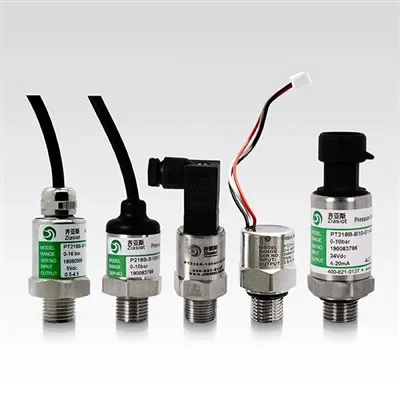
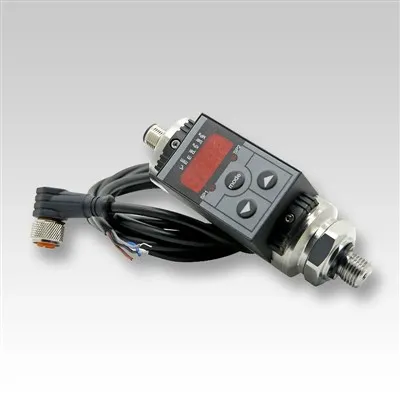
As a pressure switches supplier, we offer a wide range of high - quality single - stage and multi - stage pressure switches to meet the diverse needs of our customers. Our Smart Digital Pressure Switch provides advanced digital control and accurate pressure measurement, making it suitable for both simple and complex applications. Our Hydraulic Pressure Switch is specifically designed for hydraulic systems, offering reliable performance and durability. And our Intelligent Water Air Pneumatic Hydraulic Pump Digital Pressure Switch is a versatile option that can be used in various water, air, and hydraulic pump applications.
Conclusion
In conclusion, single - stage and multi - stage pressure switches have their own unique characteristics, applications, and advantages. Understanding the differences between them is essential for choosing the right pressure switch for your specific needs. Whether you need a simple on - off control or a more complex multi - level pressure monitoring system, we can provide you with the appropriate solution. If you are interested in learning more about our pressure switches or would like to discuss your specific requirements, please feel free to contact us for procurement and further discussion.
References
- "Industrial Pressure Switch Handbook", 2nd Edition, Industrial Press Inc.
- "Aerospace Systems and Components: Pressure Switches", Aerospace Engineering Journal, Vol. 15, Issue 2.
- "Water Treatment Systems Design and Operation", McGraw - Hill Professional.