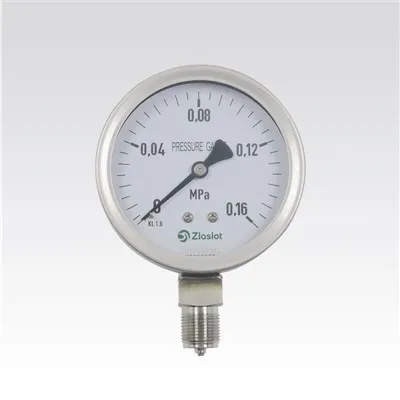

How do I install a digital pressure gauge in a tank?
Leave a message

Installing a digital pressure gauge in a tank is a crucial task that requires careful planning and execution. As a supplier of high - quality digital pressure gauges, I've seen firsthand the importance of a proper installation. In this blog, I'll guide you through the step - by - step process of installing a digital pressure gauge in a tank, ensuring accuracy and safety.
Step 1: Gather the Necessary Tools and Materials
Before you start the installation, you need to have all the required tools and materials on hand. Here's a list of what you'll typically need:
- Digital Pressure Gauge: Choose a gauge that is suitable for the tank's pressure range and the type of fluid or gas it contains. We offer a wide range of digital pressure gauges, including the Vacuum Digital Pressure Gauge, which is ideal for applications where vacuum pressure needs to be measured.
- Wrenches: Depending on the size of the gauge and the tank connection, you'll need adjustable wrenches or socket wrenches to tighten the fittings.
- Teflon Tape: This is used to seal the threaded connections and prevent leaks.
- Safety Gear: Wear safety glasses and gloves to protect yourself from any potential hazards during the installation.
Step 2: Shut Down the Tank System
Safety should always be your top priority. Before you begin installing the digital pressure gauge, shut down the tank system. This includes turning off any pumps, valves, or other equipment that could cause pressure to build up in the tank. Make sure to relieve any pressure in the tank by opening a vent valve or following the manufacturer's instructions for pressure relief.
Step 3: Choose the Installation Location
Selecting the right location for the digital pressure gauge is essential for accurate pressure measurement. The gauge should be installed in a place where it can be easily read and where it will not be exposed to excessive vibration, heat, or moisture. Avoid installing the gauge near moving parts or areas where it could be damaged.
It's also important to ensure that the installation location is representative of the tank's pressure. For example, if the tank has a large volume, installing the gauge near the bottom of the tank may give a more accurate reading of the overall pressure.
Step 4: Prepare the Tank Connection
Once you've chosen the installation location, you need to prepare the tank connection. If the tank has a threaded port for the pressure gauge, clean the threads using a wire brush to remove any dirt, debris, or corrosion. Wrap the Teflon tape around the male threads of the gauge fitting in a clockwise direction. Make sure to wrap the tape tightly and evenly, but don't over - wrap it.
Step 5: Install the Digital Pressure Gauge
Carefully thread the digital pressure gauge into the tank connection. Use the wrenches to tighten the fitting, but be careful not to over - tighten it, as this could damage the threads or the gauge. Tighten the fitting until it is snug, and there is no visible gap between the gauge and the tank connection.
Step 6: Connect the Electrical Wires (if applicable)
If your digital pressure gauge requires electrical power or has a signal output, you'll need to connect the electrical wires. Follow the manufacturer's wiring diagram to ensure that the connections are made correctly. Make sure to use appropriate wire connectors and secure the wires to prevent them from coming loose.
Step 7: Test the Installation
After installing the digital pressure gauge, it's time to test the installation. Slowly open the valves and start the tank system to allow pressure to build up in the tank. Monitor the gauge to make sure it is displaying the correct pressure reading. Check for any leaks around the gauge fitting using a soapy water solution. If you see bubbles forming, tighten the fitting slightly until the leak stops.
Step 8: Calibrate the Digital Pressure Gauge
Once the installation is tested and there are no leaks, you may need to calibrate the digital pressure gauge. Calibration ensures that the gauge is providing accurate pressure readings. Follow the manufacturer's instructions for calibration, which may involve using a calibration device or adjusting the gauge's settings.
Step 9: Secure the Gauge
To prevent the digital pressure gauge from moving or vibrating during operation, secure it using a mounting bracket or other suitable means. Make sure the gauge is firmly attached and that it will not be affected by any movement or vibration in the tank system.
Step 10: Monitor and Maintain the Gauge
After the installation is complete, regularly monitor the digital pressure gauge to ensure that it is functioning properly. Check the pressure readings regularly and compare them to the expected values. If you notice any significant changes in the readings or if the gauge malfunctions, it may need to be repaired or replaced.
Perform regular maintenance on the digital pressure gauge, such as cleaning the display and checking the electrical connections. Follow the manufacturer's maintenance schedule to keep the gauge in good working condition.


Other Types of Pressure Gauges
In addition to digital pressure gauges, we also offer a variety of other pressure gauges to meet your specific needs. For high - temperature applications, our High Temperature Mechanical Melt Presssure Gauges are designed to withstand extreme heat and provide accurate pressure measurements.
If you're looking for a more traditional option, our Mechanical Presssure Gauge offers reliable pressure measurement without the need for electrical power.
Contact Us for Your Pressure Gauge Needs
If you're in the market for a digital pressure gauge or any other type of pressure gauge, we're here to help. Our team of experts can assist you in choosing the right gauge for your application and provide you with all the support you need for installation and maintenance.
Whether you're a small business owner or a large industrial company, we have the products and expertise to meet your pressure measurement needs. Contact us today to start a conversation about your requirements and let us help you find the perfect pressure gauge solution for your tank.
References
- Pressure Gauge Installation Manuals from Various Manufacturers
- Industry Standards for Pressure Gauge Installation and Maintenance