
What is the aging effect on a Homogenizer Pressure Gauge?
Leave a message

Hey there! As a supplier of Homogenizer Pressure Gauges, I've seen firsthand how these nifty devices play a crucial role in all sorts of industries. But one question that often pops up is: What is the aging effect on a Homogenizer Pressure Gauge? Well, let's dive right in and find out.
How Homogenizer Pressure Gauges Work
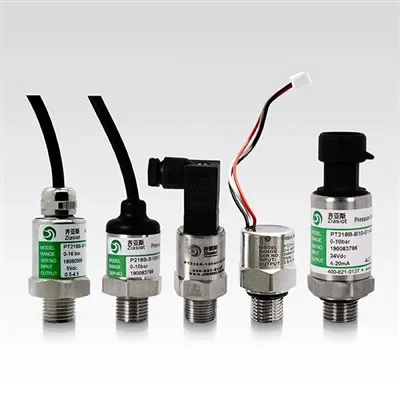
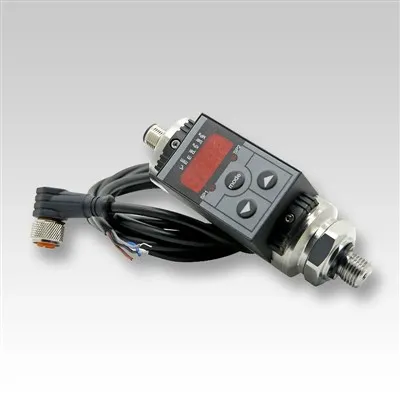
Before we get into the aging effects, it's important to understand how these gauges work. A Homogenizer Pressure Gauge is designed to measure the pressure within a homogenizer, which is a machine used to create a uniform and stable mixture of two or more substances. The gauge typically consists of a pressure sensor, a display, and a housing.
The pressure sensor is the heart of the gauge. It detects the pressure in the homogenizer and converts it into an electrical signal. This signal is then processed and displayed on the gauge's screen, allowing operators to monitor the pressure in real-time.
The Aging Process of Homogenizer Pressure Gauges
Like any other piece of equipment, Homogenizer Pressure Gauges are subject to the effects of aging. Over time, various factors can cause the gauge to degrade, leading to inaccurate readings and potential safety hazards. Here are some of the key aging effects:
Wear and Tear
One of the most common aging effects is wear and tear on the gauge's components. The pressure sensor, in particular, is exposed to high pressures and harsh chemicals, which can cause it to deteriorate over time. This can lead to a decrease in sensitivity and accuracy, making it difficult to get reliable readings.
The mechanical parts of the gauge, such as the springs and gears, can also wear out with use. This can cause the gauge to become less responsive and more prone to mechanical failures.
Corrosion
Corrosion is another major issue that can affect Homogenizer Pressure Gauges. If the gauge is exposed to corrosive substances, such as acids or salts, the metal components can start to rust and corrode. This can not only damage the gauge's appearance but also compromise its functionality.
Corrosion can also cause the pressure sensor to malfunction, leading to inaccurate readings. In some cases, the corrosion can be so severe that it renders the gauge completely useless.


Temperature Effects
Temperature can have a significant impact on the performance of Homogenizer Pressure Gauges. Extreme temperatures can cause the gauge's components to expand or contract, which can affect its accuracy. For example, if the gauge is exposed to high temperatures for an extended period, the pressure sensor may become less sensitive, leading to lower readings.
On the other hand, low temperatures can cause the gauge's mechanical parts to become stiff and less responsive. This can make it difficult to get accurate readings, especially in cold environments.
Electrical Issues
Many modern Homogenizer Pressure Gauges are electronic, which means they rely on electrical components to function. Over time, these components can develop faults, such as loose connections or damaged wiring. This can cause the gauge to malfunction or produce inaccurate readings.
Electrical interference from other equipment can also affect the performance of the gauge. For example, if the gauge is located near a high-power electrical device, it may pick up electromagnetic interference, which can cause the readings to fluctuate.
Detecting and Addressing Aging Effects
So, how can you tell if your Homogenizer Pressure Gauge is showing signs of aging? Here are some common symptoms to look out for:
- Inaccurate Readings: If the gauge is consistently showing readings that are higher or lower than expected, it could be a sign of aging.
- Slow Response Time: If the gauge takes a long time to respond to changes in pressure, it may be due to wear and tear on the mechanical parts.
- Visible Damage: If you notice any signs of corrosion, rust, or physical damage on the gauge, it's likely that it has been affected by aging.
- Erratic Behavior: If the gauge's readings are fluctuating or the display is showing strange symbols or messages, it could be a sign of an electrical issue.
If you suspect that your Homogenizer Pressure Gauge is showing signs of aging, it's important to take action as soon as possible. Here are some steps you can take:
- Regular Maintenance: Schedule regular maintenance checks to inspect the gauge for signs of wear and tear. This can help you catch any issues early and prevent them from becoming major problems.
- Calibration: Have the gauge calibrated regularly to ensure that it is providing accurate readings. Calibration can help compensate for any aging effects and improve the gauge's performance.
- Replacement: If the gauge is severely damaged or no longer functioning properly, it may be necessary to replace it. Investing in a new gauge can save you time and money in the long run by preventing costly downtime and ensuring accurate pressure measurements.
Our Range of Pressure Gauges
As a supplier of Homogenizer Pressure Gauges, we offer a wide range of products to meet the needs of different industries. In addition to our standard Homogenizer Pressure Gauges, we also provide Vacuum Digital Pressure Gauges, High Temperature Mechanical Melt Presssure Gauges, and Mechanical Presssure Gauges.
Our gauges are designed to be reliable, accurate, and durable, even in the most demanding environments. We use high-quality materials and advanced manufacturing techniques to ensure that our products meet the highest standards of quality and performance.
Conclusion
In conclusion, the aging effect on a Homogenizer Pressure Gauge can have a significant impact on its performance and accuracy. By understanding the common aging effects and taking proactive steps to address them, you can ensure that your gauge continues to provide reliable pressure measurements for years to come.
If you're in the market for a new Homogenizer Pressure Gauge or need help with maintenance and calibration, don't hesitate to get in touch. We're here to help you find the right solution for your needs and ensure that your equipment operates safely and efficiently.
References
- "Pressure Gauge Handbook," by Pressure Gauge Manufacturers Association
- "Maintenance and Troubleshooting of Pressure Gauges," by Industrial Press