
What are the customization options for the 3051 DP Transmitter?
Leave a message

What are the customization options for the 3051 DP Transmitter?
As a supplier of the 3051 DP Transmitter, I'm often asked about the extensive customization options available for this exceptional device. The 3051 DP Transmitter is a highly versatile instrument used in a wide range of industries, including oil and gas, chemical processing, power generation, and HVAC systems. Its ability to accurately measure differential pressure makes it an indispensable tool for process control and monitoring. In this blog post, I'll delve into the various customization options that allow you to tailor the 3051 DP Transmitter to your specific application requirements.


Pressure Range Customization
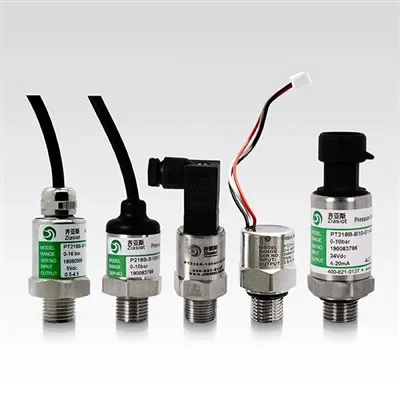
One of the primary customization options for the 3051 DP Transmitter is the ability to select the appropriate pressure range. Different applications require different pressure ranges, and the 3051 can be configured to measure from very low differential pressures (as low as a few inches of water column) to extremely high pressures (up to thousands of psi). This flexibility ensures that the transmitter can be used in a variety of processes, from measuring the pressure drop across a filter in an HVAC system to monitoring the pressure difference in a high-pressure pipeline.
For example, in a Differential Pressure Sensor Hvac application, you might need a transmitter with a low-pressure range to accurately measure the small pressure differences across air filters or dampers. On the other hand, in an industrial process where high pressures are involved, such as in a refinery or a chemical plant, a transmitter with a high-pressure range would be required.
Output Signal Customization
The 3051 DP Transmitter offers several output signal options to suit different control systems and monitoring requirements. The most common output signals are 4 - 20 mA and HART (Highway Addressable Remote Transducer). The 4 - 20 mA signal is a standard analog signal that is widely used in industrial control systems. It provides a simple and reliable way to transmit the measured pressure value to a controller or a monitoring device.
The HART protocol, on the other hand, is a digital communication protocol that allows for additional functionality, such as remote configuration, calibration, and diagnostics. With HART, you can communicate with the transmitter using a handheld communicator or a computer-based software tool, enabling you to make changes to the transmitter's settings without having to physically access the device. This can significantly reduce downtime and maintenance costs, especially in large industrial plants where multiple transmitters are installed.
In some applications, you may also need a transmitter with a pulse output or a Modbus communication interface. These options can be customized to meet your specific requirements, ensuring seamless integration with your existing control and monitoring systems.
Process Connection Customization
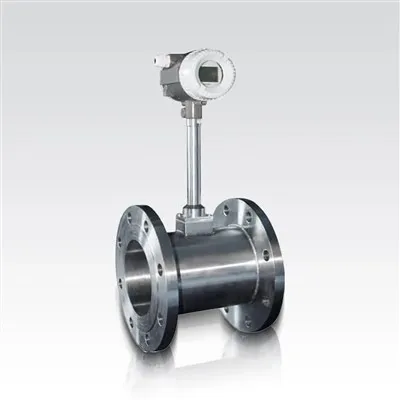
Another important customization option for the 3051 DP Transmitter is the choice of process connections. The transmitter can be equipped with different types of process connections, such as threaded connections, flanged connections, or sanitary connections, depending on the application and the type of piping or equipment it will be installed on.
For example, in a food and beverage processing plant, where hygiene is of utmost importance, a sanitary connection may be required to ensure that the transmitter can be easily cleaned and sanitized. In an industrial pipeline application, a flanged connection may be preferred for its high-pressure rating and leak-tight performance.
The process connection size and material can also be customized to match the requirements of your specific application. Common materials for process connections include stainless steel, carbon steel, and Hastelloy, which offer different levels of corrosion resistance and durability.
Enclosure and Mounting Customization
The 3051 DP Transmitter can be customized with different enclosure and mounting options to suit the environmental conditions and installation requirements of your application. The enclosure protects the transmitter from dust, moisture, and other environmental factors, ensuring reliable operation in harsh industrial environments.
There are several types of enclosures available, including general-purpose enclosures, explosion-proof enclosures, and weatherproof enclosures. General-purpose enclosures are suitable for indoor applications where the environment is relatively clean and dry. Explosion-proof enclosures are designed for use in hazardous areas where there is a risk of explosion, such as in oil and gas refineries or chemical plants. Weatherproof enclosures are ideal for outdoor applications where the transmitter is exposed to the elements.
In addition to the enclosure, the mounting options for the 3051 DP Transmitter can also be customized. The transmitter can be mounted on a pipe, a wall, or a panel, depending on the available space and the installation requirements. Some mounting options also include adjustable brackets or stands, which allow for easy installation and alignment of the transmitter.
Accuracy and Performance Customization
The accuracy and performance of the 3051 DP Transmitter can be customized to meet the specific requirements of your application. The transmitter offers different levels of accuracy, ranging from basic accuracy to high-accuracy models. The accuracy of the transmitter is typically specified as a percentage of the span or the reading, and it can be affected by factors such as temperature, pressure, and vibration.
In applications where high accuracy is required, such as in calibration laboratories or critical process control applications, a high-accuracy model of the 3051 DP Transmitter may be selected. These models offer better stability and repeatability, ensuring accurate and reliable measurements over time.
The performance of the transmitter can also be customized by adjusting parameters such as the response time, the damping factor, and the filtering options. The response time determines how quickly the transmitter can respond to changes in the measured pressure, while the damping factor and the filtering options can be used to reduce noise and interference in the measurement signal.
Additional Features and Options
In addition to the above customization options, the 3051 DP Transmitter also offers several additional features and options that can enhance its functionality and performance. Some of these features include:
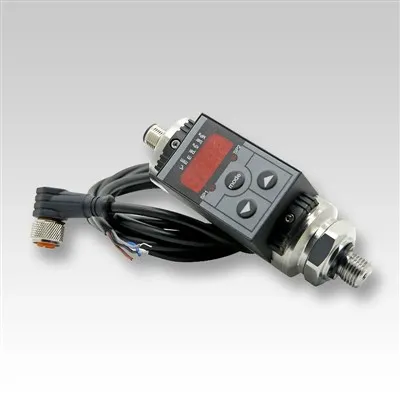
- Local Display: A local display can be added to the transmitter to provide a visual indication of the measured pressure value. This can be useful for on-site monitoring and troubleshooting.
- Diagnostic Functions: The transmitter can be equipped with diagnostic functions that can detect and report faults or malfunctions in the device. This can help to reduce downtime and maintenance costs by allowing for early detection and correction of problems.
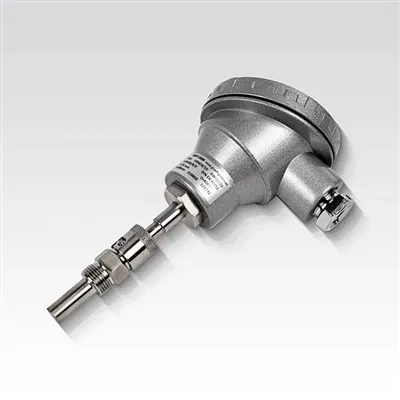
- Temperature Compensation: Temperature compensation can be added to the transmitter to improve its accuracy and stability over a wide temperature range. This is especially important in applications where the temperature of the process fluid or the environment can vary significantly.
- Remote Configuration and Calibration: With the HART protocol or other communication interfaces, the transmitter can be configured and calibrated remotely, eliminating the need for on-site access. This can save time and reduce the risk of errors during the configuration and calibration process.
Conclusion
The 3051 DP Transmitter offers a wide range of customization options that allow you to tailor the device to your specific application requirements. Whether you need a transmitter with a specific pressure range, output signal, process connection, enclosure, or accuracy, the 3051 can be customized to meet your needs.
If you're interested in learning more about the customization options for the 3051 DP Transmitter or would like to discuss your specific application requirements, please don't hesitate to contact us. Our team of experts is available to provide you with detailed information and assistance in selecting the right transmitter for your needs. We look forward to working with you to find the perfect solution for your differential pressure measurement requirements.
References
- Emerson Process Management. (2023). Rosemount 3051 DP Transmitter Product Manual.
- Honeywell. (2023). Differential Pressure Transmitters Technical Guide.
- Siemens. (2023). Industrial Process Instrumentation Handbook.