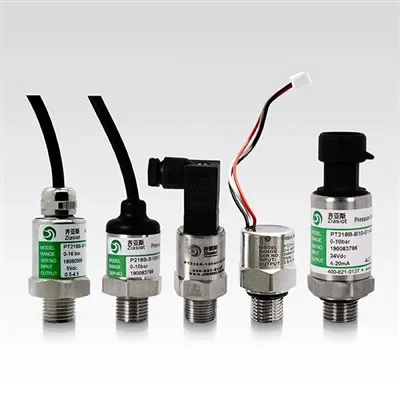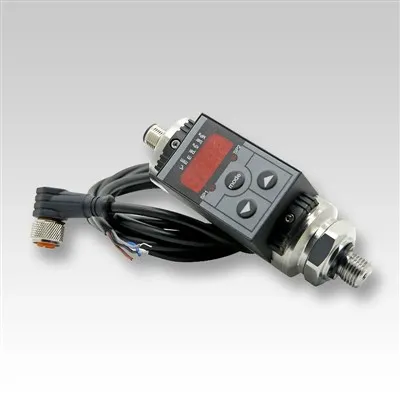

How to clean a ceramic pressure transmitter?
Leave a message

Hey there! As a supplier of Ceramic Pressure Transmitters, I know how crucial it is to keep these devices clean. A well - maintained ceramic pressure transmitter not only ensures accurate readings but also extends its lifespan. So, let's dive into how you can clean a ceramic pressure transmitter.
Why Cleaning is Important
Before we get into the cleaning process, let me tell you why it's so important. Over time, dirt, dust, and other contaminants can accumulate on the surface of the transmitter. This buildup can interfere with the pressure - sensing mechanism, leading to inaccurate measurements. For example, if you're using a Refrigeration Pressure Transmitter in a refrigeration system, any debris on the sensor can affect the pressure readings and cause the system to malfunction.
Pre - cleaning Preparations
First things first, safety comes first. Before you start cleaning, make sure to turn off the power supply to the transmitter. This prevents any electrical shocks or damage to the device. You'll also need to gather the necessary cleaning tools. A soft, lint - free cloth is a must. You can also use a mild detergent if the dirt is stubborn, but make sure it's non - abrasive. Avoid using harsh chemicals as they can damage the ceramic surface.
Surface Cleaning
The first step in cleaning is to wipe the exterior surface of the transmitter. Take your soft cloth and gently wipe away any visible dust or dirt. Start from the top and work your way down. Be careful around the connection ports and any sensitive areas. If there are some sticky residues, you can dampen the cloth slightly with water or a mild detergent solution. But don't soak the cloth too much, as you don't want any liquid to seep into the device.
Cleaning the Sensor
The sensor is the heart of the ceramic pressure transmitter, and it needs special attention. Use a clean, dry part of the cloth to gently clean the sensor. You need to be extremely careful here because the sensor is very delicate. If there are some hard - to - reach areas, you can use a soft - bristle brush, like a small paintbrush, to gently dislodge the dirt. Just make sure the brush is clean and doesn't have any loose bristles that could get stuck in the sensor.
Cleaning the Housing
The housing of the transmitter also needs to be clean. Check for any dirt or debris inside the housing. If you find some, you can use compressed air to blow it out. Make sure to hold the can of compressed air upright and use short, controlled bursts. This helps to avoid any damage to the internal components. If there are still some stubborn particles, you can use the soft cloth to reach in and wipe them away.


Drying the Transmitter
After cleaning, it's important to dry the transmitter thoroughly. Let it air - dry for a few hours in a clean, dry environment. Avoid using a hair dryer or any other heat source to speed up the drying process, as excessive heat can damage the ceramic and other components. Once it's completely dry, you can turn the power back on and test the transmitter to make sure it's working properly.
Different Types of Ceramic Pressure Transmitters
We offer different types of ceramic pressure transmitters, such as the Anti - Crossive Pressure Transmitter and the Standard Ceramic Pressure Transmitter. The cleaning process is generally the same for all types, but you may need to pay extra attention to the specific features of each model. For example, the Anti - Crossive Pressure Transmitter may have some additional protective coatings, so you need to be more careful when cleaning to avoid damaging these coatings.
Regular Maintenance Schedule
To keep your ceramic pressure transmitter in top condition, it's a good idea to set up a regular cleaning and maintenance schedule. Depending on the environment in which the transmitter is used, you may need to clean it every few months or even more frequently. For instance, if the transmitter is used in a very dusty or dirty environment, you may need to clean it monthly.
Troubleshooting after Cleaning
If after cleaning, you notice that the transmitter is still not working properly, there could be other issues. Check the connections to make sure they are secure. If the problem persists, it might be a good idea to contact a professional technician. They have the expertise and tools to diagnose and fix more complex problems.
Conclusion
Cleaning a ceramic pressure transmitter is not a difficult task, but it does require some care and attention. By following these steps, you can ensure that your transmitter continues to provide accurate pressure measurements for a long time. If you're in the market for a new ceramic pressure transmitter or need more information about maintenance, we're here to help. Our team of experts can assist you in choosing the right product for your needs and answer any questions you may have. Don't hesitate to reach out to us for more details on our products and services. We're looking forward to hearing from you and discussing your procurement requirements.
References
- General knowledge on ceramic pressure transmitter maintenance from industry experience.
- Manufacturer's guidelines for ceramic pressure transmitter cleaning.