
What are the power requirements for a temperature indicator?
Leave a message

Hey there! As a supplier of temperature indicators, I often get asked about the power requirements for these nifty devices. So, I thought I'd take a moment to break it down for you.
First off, let's understand why power is crucial for a temperature indicator. Simply put, power is what makes the indicator work. It powers the display, the sensors, and any additional features that the indicator might have. Without the right amount of power, the temperature indicator won't be able to function properly, and you won't get accurate temperature readings.
There are different types of power sources that temperature indicators can use. The most common ones are battery power, AC power, and DC power.
Battery Power
Battery-powered temperature indicators are super convenient. They're portable, which means you can take them anywhere you need to measure temperature. Whether you're in a field, a laboratory, or a manufacturing plant, you don't have to worry about finding an electrical outlet.
The type of batteries used can vary. Some temperature indicators use standard AA or AAA batteries, while others might use more specialized batteries like lithium-ion batteries. The advantage of using standard batteries is that they're easy to find and replace. On the other hand, lithium-ion batteries tend to have a longer lifespan and can provide more consistent power.
However, battery-powered temperature indicators do have their limitations. The battery life can be a concern, especially if you're using the indicator for long periods. You'll need to keep spare batteries on hand, and you'll have to replace the batteries regularly. Also, extreme temperatures can affect the performance of the batteries. In very cold or very hot conditions, the battery life might be reduced.
AC Power
AC (alternating current) power is another option for temperature indicators. These indicators are usually connected to a standard electrical outlet. The main advantage of using AC power is that you don't have to worry about battery life. As long as you have a stable power supply, the temperature indicator will keep working.
AC-powered temperature indicators are often used in fixed locations, such as industrial settings or offices. They're more reliable in terms of power supply, and they can support more advanced features. For example, some AC-powered temperature indicators can be connected to a network, allowing you to monitor the temperature remotely.
But there are also some downsides to using AC power. The obvious one is that you're tied to an electrical outlet. This limits the mobility of the temperature indicator. Also, in case of a power outage, the indicator will stop working unless you have a backup power source.
DC Power
DC (direct current) power is less common but still used in some temperature indicators. DC power can come from a variety of sources, such as a power adapter or a solar panel. DC-powered temperature indicators are often used in applications where a stable, low-voltage power supply is required.
One of the advantages of DC power is that it can be more energy-efficient. It can also be used in off-grid applications, where AC power is not available. For example, in a remote weather station, a DC-powered temperature indicator can be powered by a solar panel.
However, like battery power, DC power can be limited. The power output of a DC source might not be enough to support all the features of a temperature indicator. And, similar to battery power, extreme temperatures can affect the performance of DC power sources.
Factors Affecting Power Requirements
Now that we've covered the different types of power sources, let's talk about the factors that can affect the power requirements of a temperature indicator.
- Display Type: The type of display on the temperature indicator can have a big impact on power consumption. For example, an LCD (liquid crystal display) is generally more energy-efficient than an LED (light-emitting diode) display. If the indicator has a large, high-resolution display, it will require more power.
- Sensor Type: Different types of temperature sensors have different power requirements. Some sensors, like thermocouples, require very little power, while others, like resistance temperature detectors (RTDs), might require more power to operate.
- Additional Features: If the temperature indicator has additional features, such as data logging, alarms, or wireless connectivity, these features will add to the power requirements. For example, a temperature indicator with a built-in Wi-Fi module will need more power to maintain the wireless connection.
Matching the Power Source to the Application
When choosing a temperature indicator, it's important to match the power source to the application. If you need a portable temperature indicator for occasional use, a battery-powered model might be the best choice. On the other hand, if you're using the indicator in a fixed location with a stable power supply, an AC-powered model might be more suitable.
If you're working in an off-grid or remote location, a DC-powered temperature indicator, especially one powered by a solar panel, could be the way to go. And if you need a temperature indicator with advanced features, make sure the power source can support those features.


Our Temperature Indicators
At our company, we offer a wide range of temperature indicators with different power options. Whether you need a battery-powered portable indicator or an AC-powered industrial-grade indicator, we've got you covered.
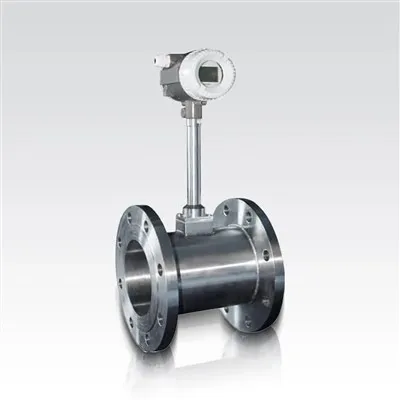
We also offer other related products, such as Turbine Flow Meter, LDG Electromagnetic Flowmeter, and Vortex Flowmeter. These flow meters can be used in conjunction with our temperature indicators for more comprehensive monitoring and control.
If you're in the market for a temperature indicator or any of our other products, we'd love to hear from you. Our team of experts can help you choose the right product for your specific needs and answer any questions you might have about power requirements or other technical aspects.
So, don't hesitate to reach out to us for a consultation and to start the procurement process. We're committed to providing high-quality products and excellent customer service.
References
- "Temperature Measurement Handbook" - A comprehensive guide on temperature measurement techniques and equipment.
- "Power Electronics for Beginners" - This book provides an introduction to different types of power sources and their applications.
- Manufacturer's specifications for various temperature indicators and flow meters.