What are the requirements for a melt pressure indicator in a cryogenic environment?
Leave a message

Hey there! As a supplier of melt pressure indicators, I've had my fair share of experiences dealing with different environments and their unique requirements. Today, I want to talk about what it takes for a melt pressure indicator to work effectively in a cryogenic environment.
First off, let's understand what a cryogenic environment is. Cryogenic temperatures are extremely low, typically below -150°C (-238°F). These conditions can be found in various industries such as aerospace, medical, and food processing. In these industries, accurate pressure measurement is crucial for safety and efficiency.
One of the primary requirements for a melt pressure indicator in a cryogenic environment is its ability to withstand the extreme cold. The materials used in the construction of the indicator need to be carefully selected. Metals that are commonly used in regular pressure indicators may become brittle at cryogenic temperatures, leading to potential failures. For example, some types of steel may lose their ductility and become more prone to cracking.
We use special alloys that are designed to maintain their mechanical properties at low temperatures. These alloys are carefully tested to ensure they can handle the thermal stresses associated with rapid temperature changes. When a melt pressure indicator is exposed to cryogenic temperatures, it goes through a significant thermal contraction. If the materials aren't able to handle this contraction without deforming or cracking, the accuracy of the pressure measurement can be compromised.
Another important aspect is the insulation of the melt pressure indicator. Good insulation helps to prevent heat transfer from the surrounding environment to the internal components of the indicator. This is essential because any heat transfer can cause the temperature inside the indicator to rise, which can affect the accuracy of the pressure measurement.
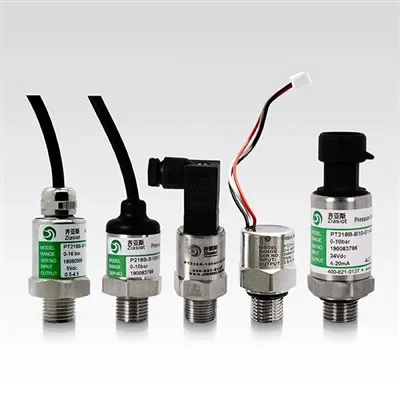
We design our Melt Pressure Indicator with high - quality insulation materials. These materials not only provide excellent thermal insulation but also protect the internal components from moisture and other contaminants that could be present in the cryogenic environment. Moisture can freeze at low temperatures and cause blockages or damage to the sensitive parts of the indicator.
Accuracy is a non - negotiable requirement for a melt pressure indicator in any environment, and cryogenic environments are no exception. At low temperatures, the behavior of fluids and gases can change significantly. For instance, the viscosity of a fluid may increase, which can affect the way it exerts pressure on the sensor of the indicator.
Our indicators are calibrated specifically for cryogenic conditions. We use advanced calibration techniques to ensure that the readings are accurate even in the most extreme cold. This calibration takes into account the changes in fluid properties and the behavior of the sensor at low temperatures.


In addition to accuracy, the response time of the melt pressure indicator is also crucial. In a cryogenic environment, processes can be very dynamic, and rapid changes in pressure can occur. A slow - responding indicator may not be able to keep up with these changes, leading to inaccurate readings and potential safety hazards.
Our Pressure Indicator is designed with a fast response time. We use high - speed sensors and advanced electronics to ensure that the indicator can detect and display pressure changes almost instantaneously. This allows operators to monitor the pressure in real - time and take appropriate actions if necessary.
The durability of the melt pressure indicator is also a key factor. Cryogenic environments can be harsh, with high levels of vibration, shock, and corrosive substances. The indicator needs to be able to withstand these conditions without failing.
We build our indicators with a robust housing that provides protection against mechanical damage. The housing is also resistant to corrosion, which is important because many cryogenic applications involve the use of chemicals or gases that can be corrosive. This ensures that the indicator can operate reliably for a long time, reducing the need for frequent replacements.
When it comes to the electrical components of the melt pressure indicator, they need to be carefully designed for cryogenic use. Low temperatures can affect the performance of electronic components, such as resistors, capacitors, and integrated circuits.
We use components that are specifically rated for cryogenic temperatures. These components are tested to ensure that they can function properly in the cold. Additionally, we design the electrical circuits to be as simple and reliable as possible, minimizing the risk of electrical failures in the cryogenic environment.
Now, let's talk about communication. In modern industrial settings, it's important for the melt pressure indicator to be able to communicate with other devices and systems. This allows for remote monitoring and control, which can improve efficiency and safety.
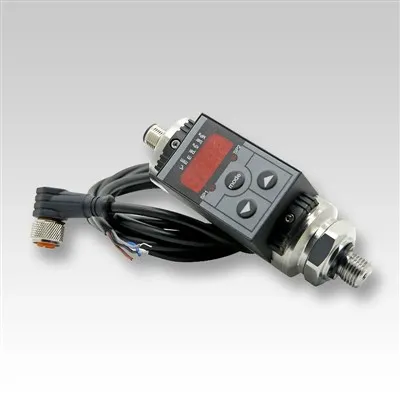
Our Melt Pressure Controller is equipped with a variety of communication interfaces, such as RS - 485, Modbus, and Ethernet. These interfaces allow the indicator to communicate with other devices, such as programmable logic controllers (PLCs) and human - machine interfaces (HMIs). This enables operators to access the pressure data from a central location and make adjustments as needed.
Finally, ease of installation and maintenance is an important consideration. In a cryogenic environment, it can be difficult and dangerous to access and work on equipment. Our melt pressure indicators are designed to be easy to install and maintain. They come with clear instructions and are designed with modular components, which makes it easy to replace parts if necessary.
If you're in the market for a melt pressure indicator that can perform in a cryogenic environment, we've got you covered. Our products are designed and tested to meet the highest standards of quality and performance. Whether you're in the aerospace, medical, or food processing industry, we can provide you with a reliable solution for your pressure measurement needs.
If you have any questions or are interested in purchasing our products, feel free to reach out to us for a procurement discussion. We're here to help you find the right melt pressure indicator for your specific application.
References:
- ASME B40.100 - 2013, Pressure Gauges and Gauge Attachments
- ISO 228 - 1:2010, Pipe threads where pressure - tight joints are not made on the threads — Part 1: Dimensions, tolerances and designation