What are the factors that affect the measurement accuracy of a Vortex Intelligent Flowmeter?
Leave a message

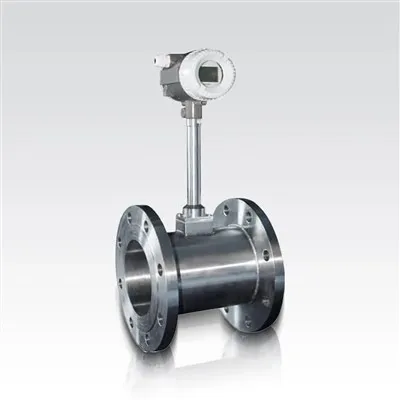
Hey there! As a supplier of Vortex Intelligent Flowmeters, I've seen firsthand how crucial measurement accuracy is in various industries. In this blog, I'll dive into the factors that can affect the measurement accuracy of a Vortex Intelligent Flowmeter.
Fluid Properties
First off, let's talk about fluid properties. The characteristics of the fluid being measured play a huge role in the accuracy of a Vortex Intelligent Flowmeter.
Density: The density of the fluid can have a significant impact. If the fluid density changes, it can alter the frequency of the vortices created by the flowmeter. For example, in a process where the fluid density fluctuates due to temperature or pressure variations, the flowmeter might give inaccurate readings. A higher - density fluid will generally produce stronger vortices, which can lead to a different frequency output compared to a lower - density fluid.
Viscosity: Viscosity is another important factor. A highly viscous fluid can dampen the formation of vortices. When the fluid is thick and sticky, it doesn't flow as smoothly around the bluff body in the flowmeter, which can disrupt the regular pattern of vortex shedding. This disruption can cause the flowmeter to misinterpret the flow rate, leading to inaccurate measurements. For instance, in applications involving heavy oils or syrups, the high viscosity can pose a challenge to the accurate operation of the Vortex Intelligent Flowmeter.

Temperature and Pressure: Changes in temperature and pressure can also affect the fluid properties. An increase in temperature can decrease the density and viscosity of most fluids. Pressure changes can have a similar effect on density. These changes need to be accounted for to ensure accurate measurements. Many modern Vortex Intelligent Flowmeters are equipped with temperature and pressure compensation features to adjust for these variations.
Installation Conditions
The way the Vortex Intelligent Flowmeter is installed is equally important.
Straight Pipe Runs: Adequate straight pipe runs upstream and downstream of the flowmeter are essential. Upstream straight pipe runs help to ensure a fully developed flow profile. If the flow is turbulent or distorted before reaching the flowmeter, it can affect the formation and shedding of vortices. As a general rule, it's recommended to have at least 10 - 20 pipe diameters of straight pipe upstream and 5 - 10 pipe diameters downstream of the flowmeter. For example, if you're using a 4 - inch pipe, you should have 40 - 80 inches of straight pipe upstream and 20 - 40 inches downstream.
Pipe Orientation: The orientation of the pipe can also impact accuracy. While Vortex Intelligent Flowmeters can be installed in horizontal, vertical, or inclined pipes, the direction of flow and the position of the sensor matter. In a vertical pipe, for example, the flow should be upward to ensure proper wetting of the sensor and consistent vortex formation. If the flow is downward, there could be issues with air pockets or uneven flow distribution, which can lead to inaccurate readings.
Mounting and Alignment: Proper mounting and alignment of the flowmeter are crucial. The flowmeter should be installed securely to prevent vibrations that can interfere with the vortex - shedding process. Any misalignment can also disrupt the flow pattern and affect the accuracy of the measurements. Make sure the flowmeter is centered in the pipe and aligned with the direction of flow.
Environmental Factors
The environment in which the Vortex Intelligent Flowmeter operates can have a big influence on its accuracy.
Vibrations: External vibrations can mimic the frequency of the vortices or disrupt their formation. For example, if the flowmeter is installed near a large motor or a pump that generates significant vibrations, these vibrations can be transmitted to the flowmeter. This can cause the flowmeter to produce false readings or inaccurate frequency signals. To mitigate this, vibration - isolation mounts can be used to reduce the impact of external vibrations on the flowmeter.
Electromagnetic Interference (EMI): In industrial settings, there are often various sources of electromagnetic interference, such as motors, transformers, and radio frequency devices. EMI can interfere with the electrical signals generated by the flowmeter's sensor. This can lead to signal noise, which can make it difficult for the flowmeter to accurately detect and measure the vortex frequency. Shielded cables and proper grounding can help to reduce the effects of EMI.
Sensor and Electronics
The quality and condition of the sensor and electronics in the Vortex Intelligent Flowmeter are also key factors.
Sensor Wear and Tear: Over time, the sensor in the flowmeter can experience wear and tear. This can be due to the abrasive nature of the fluid, corrosion, or mechanical stress. A worn - out sensor may not be able to accurately detect the vortices, leading to inaccurate measurements. Regular maintenance and inspection of the sensor are necessary to ensure its proper functioning.
Electronics Calibration: The electronics in the flowmeter need to be calibrated correctly. Calibration ensures that the frequency signals detected by the sensor are accurately converted into flow rate measurements. If the electronics are not calibrated properly, the flowmeter will give inaccurate readings. Periodic calibration checks are essential to maintain the accuracy of the flowmeter.
Comparison with Other Flowmeters
It's also interesting to compare the Vortex Intelligent Flowmeter with other types of flowmeters, like the Turbine Flow Meter and the LDG Electromagnetic Flowmeter.

The Turbine Flow Meter measures flow by the rotation of a turbine blade in the fluid stream. While it can be accurate in certain applications, it can be affected by fluid viscosity and wear on the turbine blades. The Vortex Intelligent Flowmeter, on the other hand, doesn't have moving parts in direct contact with the fluid, which can reduce wear and maintenance requirements.
The LDG Electromagnetic Flowmeter measures the flow of conductive fluids based on Faraday's law of electromagnetic induction. It's suitable for measuring the flow of liquids with a certain level of conductivity. The Vortex Intelligent Flowmeter can be used for a wider range of fluids, including non - conductive ones, but its accuracy can be affected by fluid properties and installation conditions as we've discussed.

Conclusion
In conclusion, there are several factors that can affect the measurement accuracy of a Vortex Intelligent Flowmeter. Fluid properties, installation conditions, environmental factors, and the quality of the sensor and electronics all play important roles. As a supplier, we're committed to providing high - quality Vortex Intelligent Flowmeters and offering support to ensure accurate measurements.
If you're in the market for a reliable Vortex Intelligent Flowmeter or want to learn more about our products, feel free to reach out to us. We'd be happy to discuss your specific requirements and help you find the best solution for your application. Check out our Vortex Flowmeter page for more details.
References
- "Flow Measurement Handbook: Industrial Designs and Applications" by Ralph W. Miller
- "Principles of Flow Measurement" by R. W. Fox and A. T. McDonald