
How does a melt pressure indicator contribute to energy efficiency in a production process?
Leave a message

Hey there! As a supplier of melt pressure indicators, I've seen firsthand how these nifty devices can make a big difference in energy efficiency during the production process. In this blog, I'm gonna break down exactly how a melt pressure indicator contributes to saving energy and why it's a game - changer for your production line.
Understanding the Basics of Melt Pressure Indicators
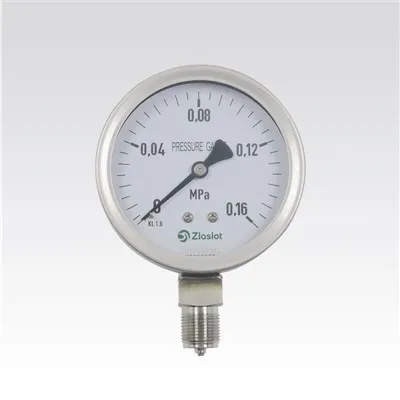
Before we dive into energy efficiency, let's quickly talk about what a melt pressure indicator does. A melt pressure indicator, like the one you can check out Melt Pressure Indicator, is designed to measure the pressure of molten materials in various industrial processes. Whether it's in plastic extrusion, injection molding, or other manufacturing operations, accurately monitoring the pressure of the melt is crucial.
In many production processes, the molten material needs to be pushed through different components, like dies and nozzles. The pressure at which this happens affects how well the material flows and how the final product turns out. If the pressure is too low, the material might not fill the mold properly, leading to defective products. On the other hand, if the pressure is too high, it can put unnecessary stress on the equipment and waste energy.
Optimizing Equipment Operation
One of the key ways a melt pressure indicator contributes to energy efficiency is by helping to optimize the operation of production equipment. Let's take plastic extrusion as an example. In an extrusion process, a screw pushes the molten plastic through a die to create a specific shape. The motor that drives the screw consumes a significant amount of energy.
If the melt pressure is not monitored correctly, the motor might be running at a higher speed than necessary to maintain the right pressure. With a melt pressure indicator, operators can get real - time data on the pressure of the molten plastic. They can then adjust the speed of the screw motor accordingly. For instance, if the pressure is higher than required, the motor speed can be reduced. This not only saves energy but also reduces wear and tear on the motor and other equipment components.
Similarly, in injection molding, the pressure of the molten plastic injected into the mold is critical. An inaccurate pressure can lead to over - packing of the mold, which requires more energy to inject the plastic. A melt pressure indicator allows for precise control of the injection pressure, ensuring that just the right amount of energy is used to fill the mold properly.

Preventing Equipment Failures
Equipment failures can be a major energy waster in a production process. When a machine breaks down, it often requires additional energy to restart and get back up to full production capacity. Moreover, during the repair process, other parts of the production line might have to run at a reduced capacity or even stop, leading to overall energy inefficiency.
A melt pressure indicator can help prevent equipment failures by detecting abnormal pressure levels early. For example, if there's a blockage in the extrusion die, the melt pressure will increase rapidly. The pressure indicator will alert the operators, who can then take action to clear the blockage before it causes serious damage to the equipment. By avoiding such breakdowns, the production process can run smoothly, using energy more efficiently.

Quality Control and Energy Savings
Energy efficiency and product quality are closely linked. When the melt pressure is not properly controlled, it can lead to a higher rate of defective products. Defective products need to be reworked or discarded, which is a waste of both materials and energy.
With a melt pressure indicator, operators can ensure that the pressure remains within the optimal range for producing high - quality products. For example, in the production of plastic pipes, consistent melt pressure is essential for maintaining the right wall thickness and strength. If the pressure fluctuates too much, the pipes might have weak spots or uneven thickness, making them unusable. By producing fewer defective products, less energy is wasted on reprocessing or manufacturing replacements.
Integration with Other Monitoring Devices
Melt pressure indicators can also be integrated with other monitoring devices, such as Homogenizer Digital Pressure Gauge and Temperature Controller, to further enhance energy efficiency. Temperature and pressure are closely related in many production processes. For example, in a polymer processing operation, the viscosity of the molten polymer changes with temperature. If the temperature is too high or too low, it can affect the melt pressure.
By integrating the melt pressure indicator with a temperature controller, operators can maintain the right balance between temperature and pressure. This integrated approach allows for more precise control of the production process, reducing energy consumption. For instance, if the temperature is too high and causing the melt pressure to drop, the temperature controller can adjust the heating system to bring the temperature back to the optimal level, thus stabilizing the pressure without over - using energy.
Cost - Benefit Analysis
When considering the investment in a melt pressure indicator, it's important to look at the cost - benefit analysis. While there is an upfront cost to purchase and install the device, the long - term energy savings can far outweigh this initial expense.
Let's say a manufacturing plant spends a significant amount of money on electricity to run its production equipment. By using a melt pressure indicator to optimize the operation of the equipment, the plant can reduce its energy consumption by a certain percentage. Over time, these energy savings add up, resulting in substantial cost savings. Additionally, the reduced wear and tear on equipment and the lower rate of defective products also contribute to overall cost savings.
Conclusion
In conclusion, a melt pressure indicator is a powerful tool for improving energy efficiency in a production process. It helps optimize equipment operation, prevent equipment failures, ensure product quality, and can be integrated with other monitoring devices for better control. If you're looking to reduce your energy costs, improve the quality of your products, and increase the overall efficiency of your production line, a melt pressure indicator is definitely worth considering.
If you're interested in learning more about our melt pressure indicators or want to discuss how they can be tailored to your specific production needs, feel free to reach out to us. We're here to help you make the most of this technology and take your production process to the next level.
References
- "Industrial Process Monitoring and Control" - A textbook on various aspects of industrial process control including pressure monitoring.
- "Energy Efficiency in Manufacturing" - A research paper that discusses the relationship between process control and energy savings in manufacturing.