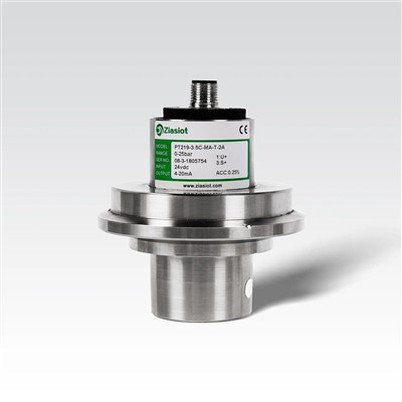
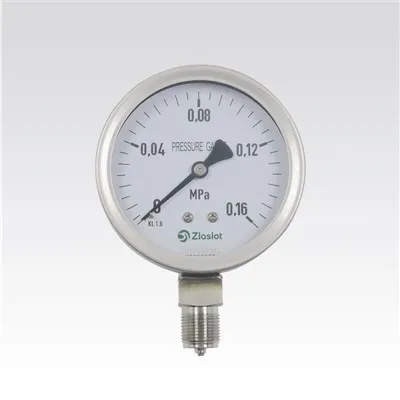
What are the electrical requirements for a digital Homogenizer Pressure Gauge?
Leave a message

Hey there! As a supplier of Homogenizer Pressure Gauges, I often get asked about the electrical requirements for digital ones. In this blog, I'll break down all the important aspects of these requirements to help you understand what you need when choosing a digital Homogenizer Pressure Gauge.
Power Supply
First off, let's talk about the power supply. Digital Homogenizer Pressure Gauges typically need a stable and appropriate power source to function correctly. There are a few common options available.
Battery - Powered
Some digital gauges come with battery - powered options. This is super convenient, especially if you need to use the gauge in locations where there's no easy access to an electrical outlet. For example, if you're doing fieldwork or moving the homogenizer around different parts of a large factory, battery - powered gauges are a great choice. Most of these gauges use standard batteries like AA or AAA. The advantage of battery - powered gauges is that they're portable and can be set up quickly. However, you need to keep an eye on the battery level. Once the batteries run out, the gauge won't work until you replace them. You can check out Digital Melt Presssure Gauges to see if there are any battery - powered options that suit your needs.
AC - Powered
On the other hand, many digital Homogenizer Pressure Gauges are AC - powered. They need to be plugged into a standard electrical outlet. This is a reliable option as long as you have a stable power supply. AC - powered gauges usually provide a consistent power source, which can result in more accurate readings. But the downside is that they're not as portable as battery - powered ones. You're limited to using them in areas where there's an electrical outlet nearby. If you're running a fixed - location laboratory or a production line, an AC - powered gauge might be the best fit for you. You can also explore Mechanical Presssure Gauge for some related options.
Voltage and Current Requirements
The voltage and current requirements of a digital Homogenizer Pressure Gauge are crucial for its proper operation.
Voltage
The voltage requirements vary depending on the gauge model and its design. Most battery - powered gauges operate at low voltages, typically around 1.5V to 9V, depending on the number and type of batteries used. AC - powered gauges, on the other hand, usually require a standard household voltage, which is 110V in the United States and 220V - 240V in many other countries. It's essential to make sure that the voltage of your power source matches the gauge's requirements. Using the wrong voltage can damage the gauge or cause inaccurate readings.
Current
The current requirements are also important. The gauge needs a certain amount of current to power its internal components, such as the display, sensors, and processing unit. Too little current, and the gauge might not function properly. Too much current can overheat the components and cause permanent damage. When choosing a power supply, make sure it can provide the right amount of current for your gauge.
Signal Output and Communication
Digital Homogenizer Pressure Gauges often have signal output and communication capabilities, which also have their own electrical requirements.
Analog vs. Digital Signals
Some gauges can output analog signals, which are continuous electrical signals that represent the pressure readings. Others output digital signals, which are discrete values that can be easily processed by computers or other digital devices. If your gauge outputs an analog signal, you need to make sure that the receiving device can handle it. For digital signals, you need to ensure compatibility with the communication protocol used by the gauge.
Communication Protocols
Many digital gauges use standard communication protocols like RS - 232, RS - 485, or Ethernet. Each protocol has its own electrical requirements in terms of voltage levels, signal impedance, and data transfer rates. For example, RS - 232 uses relatively high voltage levels for signal transmission, while RS - 485 is designed for longer - distance communication with lower voltage levels. If you plan to connect your gauge to a computer or a control system, you need to make sure that the electrical characteristics of the communication interface match those of the gauge.
Safety Considerations
When dealing with the electrical requirements of digital Homogenizer Pressure Gauges, safety is of utmost importance.
Electrical Insulation
The gauge should have proper electrical insulation to prevent electrical shocks. This is especially important if the gauge is used in a wet or humid environment. Make sure that the insulation resistance of the gauge meets the relevant safety standards.
Over - Voltage and Over - Current Protection
To protect the gauge from damage caused by power surges or short - circuits, it should have over - voltage and over - current protection mechanisms. These can include fuses, surge protectors, and voltage regulators.
Temperature and Environmental Conditions
The electrical performance of a digital Homogenizer Pressure Gauge can be affected by temperature and other environmental conditions.
Temperature Effects
High temperatures can increase the resistance of electrical components, which can affect the accuracy of the gauge. Low temperatures can also cause problems, such as reduced battery performance. Make sure that the gauge is rated for the temperature range in which it will be used. You can refer to High Temperature Mechanical Melt Presssure Gauges for gauges that are designed to work in high - temperature environments.
Humidity and Dust
Humidity and dust can also affect the electrical performance of the gauge. Moisture can cause corrosion of electrical contacts, while dust can accumulate on components and cause short - circuits. Choose a gauge that is designed to withstand the environmental conditions in your workplace.
Conclusion
Understanding the electrical requirements of a digital Homogenizer Pressure Gauge is essential for its proper operation and accurate readings. Whether you're looking for a battery - powered or AC - powered gauge, make sure to consider the voltage, current, signal output, and safety aspects. Also, take into account the environmental conditions in which the gauge will be used.


If you're in the market for a digital Homogenizer Pressure Gauge and have any questions about the electrical requirements or need help choosing the right gauge for your application, don't hesitate to reach out. We're here to assist you in making the best decision for your needs.
References
- General knowledge of pressure gauge technology and electrical engineering principles.
- Manufacturer's specifications and documentation for Homogenizer Pressure Gauges.