
What are the common failures of ceramic pressure transmitters and how to solve them?
Leave a message

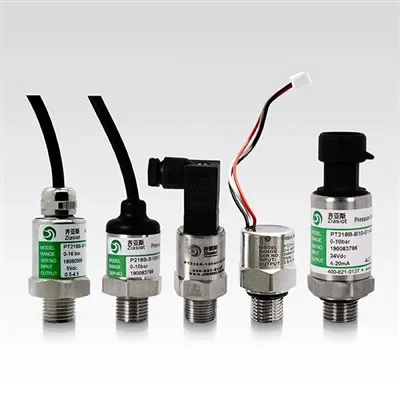
Ceramic pressure transmitters are widely used in various industrial applications due to their high accuracy, reliability, and cost - effectiveness. As a ceramic pressure transmitter supplier, I have encountered numerous common failures during the years of operation. Here, I will share these issues and provide corresponding solutions.
1. Zero Offset Problem
- Symptoms: One of the most common problems is the zero offset. When there is no pressure applied to the transmitter, the output signal does not return to the expected zero value. This can lead to inaccurate pressure readings, which are definitely not desirable in applications where precision is crucial, such as in the Refrigeration Pressure Transmitter used in refrigeration systems.
- Causes:
- Sensor aging: Over time, the ceramic sensing element may experience material degradation. For example, repeated exposure to temperature changes and pressure fluctuations can cause microscopic cracks or alterations in the crystal structure of the ceramic, leading to a shift in the zero point.
- Environmental factors: High humidity can corrode the internal components of the transmitter, especially the electrical connections. This corrosion may interfere with the electrical signal generated by the sensor, resulting in a zero offset. Additionally, electromagnetic interference (EMI) from nearby electrical equipment can also disrupt the normal operation of the transmitter, causing the zero - point drift.
- Solutions:
- Calibration: Regular calibration is the most straightforward solution. Use a pressure - calibrated device with a well - known zero pressure to adjust the output of the transmitter to the correct zero value. Our calibration process involves advanced equipment and strict procedures to ensure the accuracy of the calibration.
- Environmental protection: Install the transmitter in a dry environment and use shielding to protect it from EMI. Our Standard Ceramic Pressure Transmitter can be equipped with optional shielding and waterproof enclosures to enhance its resistance to environmental factors.
2. Output Signal Instability
- Symptoms: The output signal of the transmitter fluctuates erratically, even when the input pressure is stable. This instability can cause problems in control systems, as it makes it difficult to accurately monitor and regulate the pressure.
- Causes:
- Electrical connection issues: Loose or corroded electrical connections can lead to intermittent contact, which in turn causes signal fluctuations. For example, if the wires are not properly tightened at the terminal block, the resistance in the circuit may change randomly, affecting the output signal.
- Sensor damage: Physical damage to the ceramic sensing element, such as cracks or chips, can cause the sensor to generate inconsistent signals. This damage can occur during installation, transportation, or due to mechanical shock during operation.
- Power supply problems: An unstable power supply can also result in signal instability. Voltage fluctuations or ripple in the power supply can introduce noise into the transmitter's electrical circuit, causing the output signal to vary.
- Solutions:
- Check and tighten connections: Inspect all electrical connections regularly and make sure they are clean, tight, and free of corrosion. If necessary, use anti - corrosion agents on the connections to prevent future corrosion.
- Sensor replacement: If the sensor is damaged, it needs to be replaced. Our company has a wide range of replacement sensors, ensuring that you can quickly restore the normal operation of the transmitter.
- Stable power supply: Use a regulated power supply to ensure a stable voltage and eliminate power - related noise. We can provide guidance on selecting the appropriate power supply for our transmitters.
3. Over - Range Failure
- Symptoms: When the applied pressure exceeds the rated pressure range of the transmitter, it may cause permanent damage to the sensor. The output signal may become inaccurate or lose its linearity, and in some cases, the transmitter may stop working altogether.
- Causes:
- Incorrect installation or operation: Operators may accidentally apply excessive pressure to the transmitter during installation, such as over - tightening the pressure connection. In some industrial processes, abnormal pressure spikes can also occur, reaching levels higher than the transmitter's rated capacity.
- System malfunctions: Faults in the upstream pressure - generating equipment, such as a pump malfunction or a valve blockage, can lead to sudden and extreme pressure increases.
- Solutions:
- Select the right transmitter: Choose a transmitter with a higher over - range capacity based on the expected maximum pressure in your application. Our Anti - Crossive Pressure Transmitter is designed to withstand higher pressure spikes, providing better protection against over - range situations.
- Install pressure relief devices: Use pressure relief valves or other protective devices in the system to prevent excessive pressure from reaching the transmitter. These devices can automatically release pressure when it exceeds a certain limit, protecting the transmitter from damage.
4. Temperature - Related Failures
- Symptoms: Changes in temperature can affect the performance of ceramic pressure transmitters. The output signal may change with temperature variations, even when the pressure remains constant. This can result in significant measurement errors, especially in applications where the temperature range is large.
- Causes:
- Thermal expansion: The ceramic sensing element and other components of the transmitter expand or contract with temperature changes. This thermal expansion can cause mechanical stress on the sensor, altering its electrical properties and leading to output signal changes.
- Temperature coefficient of the sensor: The electrical characteristics of the ceramic sensor, such as its sensitivity and zero point, are temperature - dependent. The temperature coefficient of these characteristics can cause deviations in the output signal as the temperature changes.
- Solutions:
- Temperature compensation: Our transmitters are equipped with advanced temperature - compensation algorithms. These algorithms use additional temperature sensors to measure the ambient temperature and adjust the output signal accordingly, reducing the temperature - related errors.
- Thermal insulation: In applications with large temperature variations, use thermal insulation materials to reduce the impact of temperature on the transmitter. This can help maintain a more stable internal temperature for the transmitter, improving its measurement accuracy.
5. Chemical Corrosion
- Symptoms: If the transmitter is exposed to corrosive substances, the ceramic sensing element and other parts may be corroded. This can lead to a decrease in the sensor's performance, such as reduced sensitivity or an increase in measurement errors. In severe cases, the corrosion can cause physical damage to the transmitter, making it inoperable.
- Causes:
- Contact with corrosive media: In some industrial processes, such as chemical manufacturing or wastewater treatment, the transmitters may come into contact with corrosive chemicals, such as acids, alkalis, or salts.
- Inadequate protection: If the transmitter is not properly protected or if the protective coating is damaged, the internal components are more vulnerable to corrosion.
- Solutions:
- Select corrosion - resistant materials: Our company offers transmitters with corrosion - resistant ceramic materials and protective coatings. These materials can withstand the attack of various corrosive substances, ensuring the long - term reliability of the transmitter.
- Proper installation and maintenance: Install the transmitter in a way that minimizes its contact with corrosive media. Regularly inspect the transmitter for signs of corrosion and replace any damaged parts in a timely manner.
As a reliable ceramic pressure transmitter supplier, we understand the importance of ensuring the normal operation of your pressure - measurement systems. Our products are designed to be highly reliable, but in case of failures, we have provided comprehensive solutions above. If you are facing any issues with ceramic pressure transmitters or are interested in purchasing our high - quality products, feel free to contact us for a procurement discussion. We are committed to providing you with the best products and services to meet your industrial needs.


References
- "Industrial Pressure Transmitter Handbook", published by a leading industry research institution, which provides in - depth knowledge about the working principles, common failures, and solutions of pressure transmitters.
- Technical reports from our company's R & D department, which contain detailed information on the design and performance of our ceramic pressure transmitters.