
What are the common errors in digital pressure meter measurements?
Leave a message

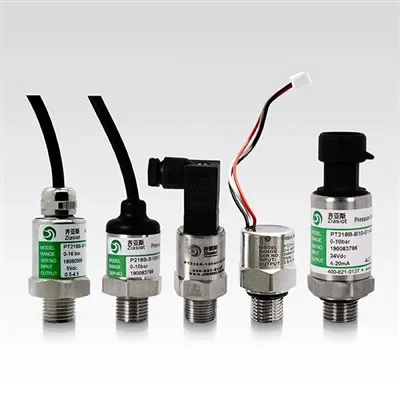
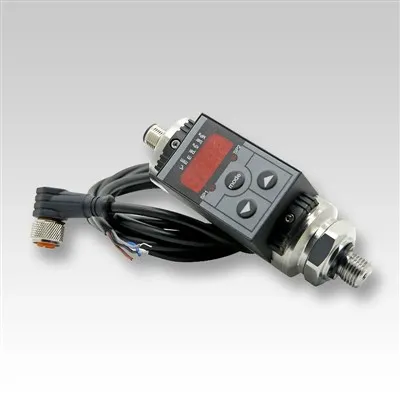
Digital pressure meters are essential tools in various industries, offering accurate and reliable pressure measurements. However, like any measuring device, they are prone to errors that can affect the precision of the readings. As a digital pressure meter supplier, I have encountered numerous instances where these errors have caused issues for our customers. In this blog post, I will discuss some of the common errors in digital pressure meter measurements and how to mitigate them.
1. Zeroing Errors
One of the most fundamental errors in pressure measurement is the zeroing error. A digital pressure meter should read zero when there is no pressure applied. However, due to various factors such as mechanical stress, temperature changes, or electrical interference, the meter may not read zero accurately. This can lead to incorrect pressure readings, especially when measuring low pressures.


To address zeroing errors, it is essential to perform a zero calibration regularly. Most digital pressure meters have a zeroing function that allows you to set the reading to zero under no - pressure conditions. It is recommended to zero the meter before each use or at least once a day, depending on the stability of the measurement environment.
2. Calibration Errors
Calibration is the process of comparing the readings of a measuring device with a known standard. Over time, digital pressure meters can drift from their original calibration, resulting in inaccurate measurements. This drift can be caused by factors such as component aging, temperature variations, and mechanical wear and tear.
To ensure accurate measurements, it is crucial to calibrate your digital pressure meter at regular intervals. The calibration frequency depends on the application and the manufacturer's recommendations. In general, for critical applications, calibration should be performed annually or more frequently. You can either send the meter to a professional calibration laboratory or use a calibrated reference pressure source in - house. When choosing a calibration service, make sure it is accredited to relevant standards such as ISO/IEC 17025.
3. Temperature Effects
Temperature has a significant impact on the performance of digital pressure meters. Most pressure sensors are sensitive to temperature changes, which can cause the output signal to vary. For example, an increase in temperature can cause the sensor to expand, leading to an increase in the measured pressure even if the actual pressure remains constant.
To minimize temperature effects, many digital pressure meters are equipped with temperature compensation circuits. These circuits adjust the output signal based on the temperature of the sensor to provide more accurate readings. However, it is still important to operate the meter within its specified temperature range. If the temperature exceeds the recommended range, the accuracy of the measurements may be compromised.
4. Electrical Interference
In industrial environments, digital pressure meters can be exposed to various sources of electrical interference, such as electromagnetic fields (EMF) and radio - frequency interference (RFI). These interferences can disrupt the electrical signals within the meter, leading to inaccurate readings or even complete malfunction.
To protect against electrical interference, it is recommended to use shielded cables when connecting the pressure meter. Additionally, the meter should be installed away from sources of high - frequency electrical noise, such as motors, generators, and power lines. Some digital pressure meters also have built - in filtering circuits to reduce the impact of electrical interference.
5. Installation Errors
Incorrect installation can also lead to errors in digital pressure meter measurements. For example, if the pressure port of the meter is blocked or partially restricted, the measured pressure will not accurately represent the actual pressure in the system. Similarly, improper mounting of the meter can cause mechanical stress on the sensor, which can affect its performance.
When installing a digital pressure meter, make sure the pressure port is clean and unobstructed. The meter should be mounted in a way that minimizes vibration and mechanical stress. It is also important to follow the manufacturer's installation instructions carefully.
6. Sensor Damage
The pressure sensor is the heart of a digital pressure meter, and any damage to the sensor can result in inaccurate measurements. Sensor damage can be caused by factors such as over - pressure, chemical corrosion, and physical impact.
To prevent sensor damage, it is important to choose a pressure meter with a suitable pressure range for your application. Avoid exposing the meter to pressures that exceed its rated maximum pressure. If the meter is used in a corrosive environment, make sure the sensor is made of a corrosion - resistant material.
Comparing with Other Pressure Gauges
When considering pressure measurement solutions, it's also important to understand how digital pressure meters compare with other types of gauges. For instance, Mechanical Presssure Gauge offers a simple and cost - effective solution for many applications. However, they may not provide the same level of accuracy and digital readout as digital pressure meters.
On the other hand, Digital Melt Presssure Gauges are specifically designed for high - temperature and high - pressure applications, such as in the plastics and rubber industries. These gauges offer advanced features like high - temperature resistance and digital displays for easy reading.
High Temperature Mechanical Melt Presssure Gauges are another option for high - temperature applications. They combine the mechanical simplicity of traditional gauges with the ability to withstand high temperatures.
Conclusion
In conclusion, digital pressure meters are powerful tools for accurate pressure measurement, but they are not immune to errors. By being aware of the common errors such as zeroing errors, calibration errors, temperature effects, electrical interference, installation errors, and sensor damage, you can take appropriate measures to minimize their impact. Regular calibration, proper installation, and careful operation within the specified parameters are key to ensuring the accuracy and reliability of your digital pressure meter.
If you are in the market for a high - quality digital pressure meter or need assistance with pressure measurement solutions, please do not hesitate to contact us. Our team of experts is ready to help you select the right product for your application and provide you with the support you need to ensure accurate and reliable measurements.
References
- ASTM International. (Year). Standard practices for pressure measurement.
- ISO standards related to pressure measurement (e.g., ISO 5167 for flow - related pressure measurement).
- Manufacturer's manuals for digital pressure meters.