
How to use the 3051 DP Transmitter to measure gas flow?
Leave a message

Hey there! As a supplier of the 3051 DP Transmitter, I'm super stoked to chat with you about how to use this nifty device to measure gas flow. The 3051 DP Transmitter is a real game - changer in the world of gas flow measurement, and I'll walk you through the ins and outs.
Understanding the Basics
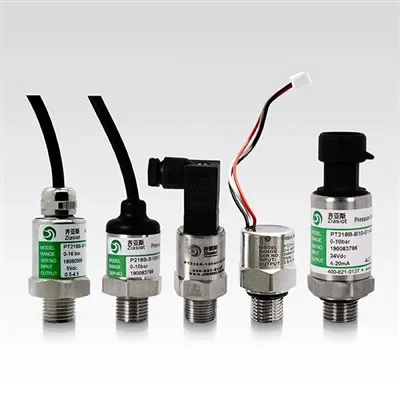
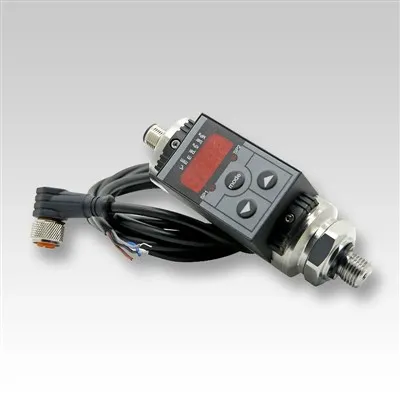
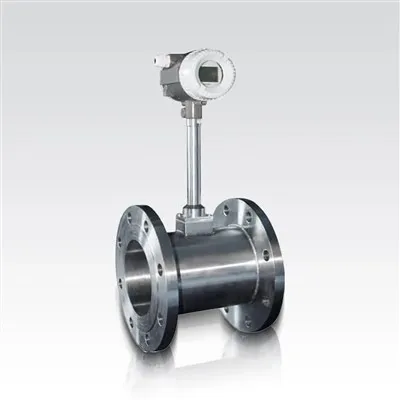
First off, let's get a handle on what a Differential Pressure (DP) transmitter is. You can check out more details on Differential Pressure Transmitter. A DP transmitter measures the difference in pressure between two points. In the context of gas flow, this pressure difference is key. When gas flows through a pipe, it creates a change in pressure across a flow element, like an orifice plate, venture tube, or pitot tube.
The 3051 DP Transmitter is highly accurate and reliable. It can handle a wide range of pressures and temperatures, making it suitable for various gas flow measurement applications, from industrial plants to HVAC systems. If you're involved in HVAC, Differential Pressure Sensor Hvac might be a specific area of interest.
Installation
The first step in using the 3051 DP Transmitter to measure gas flow is proper installation. You want to install the transmitter very close to the flow element. This reduces the chance of any errors due to the length of the impulse lines (the tubes that connect the transmitter to the flow element).
Make sure to get the orientation right. The transmitter should be installed in a way that it's level to avoid any false readings. Also, protect it from harsh environmental conditions. You don't want it exposed to direct sunlight for long periods or extreme temperatures, as this can affect its performance.
Configuring the Transmitter
Once it's installed, you'll need to configure the 3051 DP Transmitter. Most modern DP transmitters, including the 3051, come with built - in digital communication protocols. You can use a handheld configurator or connect it to a computer using special software.
The first thing you'll set is the range of the differential pressure. This range should match the expected pressure difference created by the gas flow through the flow element. You'll also need to input some parameters related to the gas, such as its density and viscosity. These values are important because they affect the relationship between the differential pressure and the gas flow rate.
Measuring Gas Flow
After installation and configuration, it's time to start measuring gas flow. The 3051 DP Transmitter measures the differential pressure across the flow element. The relationship between the differential pressure and the gas flow rate is based on the Bernoulli's principle.


The general formula for calculating gas flow from differential pressure is:
[Q = C\times A\times\sqrt{\frac{2\Delta P}{\rho}}]
where (Q) is the gas flow rate, (C) is the flow coefficient (which depends on the type of flow element), (A) is the cross - sectional area of the flow element, (\Delta P) is the differential pressure measured by the transmitter, and (\rho) is the density of the gas.
However, this is a simplified formula. In real - world applications, there are other factors to consider, like the Reynolds number, which accounts for the flow regime (laminar or turbulent). The 3051 DP Transmitter can work in tandem with flow computers or controllers that take these additional factors into account to give you a more accurate gas flow measurement.
Calibration and Maintenance
Calibration is crucial for accurate gas flow measurement. You should calibrate the 3051 DP Transmitter regularly. This involves comparing its readings with a known standard. You can use a dead - weight tester or other calibration equipment to do this.
Maintenance is also important. Check the impulse lines for any blockages or leaks. A blocked line can give you inaccurate differential pressure readings, and a leak can cause the pressure to drop, leading to false flow measurements.
Troubleshooting
Sometimes, you might run into issues with the 3051 DP Transmitter. If you're getting erratic readings, the first thing to check is the installation. Make sure the impulse lines are properly connected and there are no kinks or bends.
Another common problem is electrical interference. If the transmitter is near other electrical equipment, it might pick up interference. You can use shielded cables and proper grounding to reduce this problem.
If you need more help with troubleshooting, you can always refer to the Diff Pressure Transmitter resources on our website.
Why Choose Our 3051 DP Transmitter
Our 3051 DP Transmitter is top - notch. It has a high level of accuracy, which means you'll get reliable gas flow measurements. The advanced digital technology allows for easy configuration and integration with other systems.
We also offer excellent customer support. If you have any questions during installation, configuration, or troubleshooting, our team is ready to assist you. We have years of experience in the field, and we know how to make sure your gas flow measurement setup works seamlessly.
Ready to Get Started?
If you're in the market for a reliable 3051 DP Transmitter for gas flow measurement, don't hesitate to reach out. We can help you choose the right model for your specific application and give you all the support you need along the way. Contact us to discuss your requirements and start your journey towards accurate gas flow measurement.
References
- Perry, R. H., & Green, D. W. (1997). Perry's Chemical Engineers' Handbook. McGraw - Hill.
- Holman, J. P. (2002). Heat Transfer. McGraw - Hill.