
How to transport a compact pressure transmitter safely?
Leave a message

How to Transport a Compact Pressure Transmitter Safely
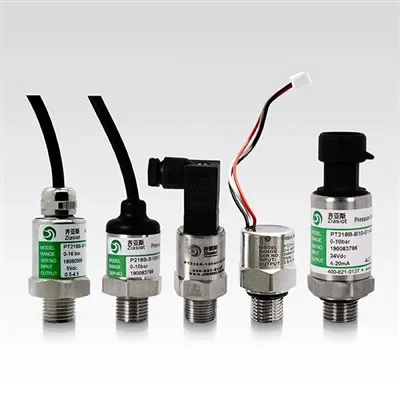
As a supplier of Compact Pressure Transmitters, I understand the critical importance of ensuring that these delicate instruments reach our customers in perfect condition. Compact pressure transmitters are precision devices used in a wide range of industrial applications, from oil and gas to manufacturing and automation. Their accurate functioning is essential for maintaining process control and safety. Therefore, proper transportation is a key aspect of our service to guarantee that the transmitters perform as expected upon arrival.
Understanding the Sensitivity of Compact Pressure Transmitters
Compact pressure transmitters are designed to be highly sensitive to pressure changes. They contain delicate internal components, such as pressure sensors and electronic circuits, which can be easily damaged by shock, vibration, temperature variations, and humidity. Even minor damage during transportation can lead to inaccurate readings or complete failure of the device.
The pressure sensors in these transmitters are often made of materials like silicon, which are brittle and can crack under excessive stress. The electronic circuits are also vulnerable to electrostatic discharge (ESD) and mechanical impact. Additionally, exposure to extreme temperatures can cause the expansion or contraction of materials, leading to misalignment or damage to the internal components.
Pre - transportation Preparations
Before shipping a compact pressure transmitter, it is crucial to conduct a thorough inspection of the device. Check for any visible signs of damage, such as cracks, dents, or loose connections. Test the transmitter to ensure that it is functioning properly. This step not only helps to identify any pre - existing issues but also provides a baseline for comparison in case the device is damaged during transit.
Once the inspection is complete, the transmitter should be properly packaged. Use a high - quality, shock - absorbing material such as foam or bubble wrap to cushion the device. Place the transmitter in a sturdy box that is slightly larger than the device to allow for the cushioning material. Make sure that the transmitter is centered in the box and that there is no room for it to move around during transportation.


For added protection, consider using an anti - static bag to prevent ESD. Anti - static bags are designed to dissipate static electricity, which can damage the electronic components of the transmitter. Label the box clearly with the words "Fragile" and "Handle with Care" to alert the shipping personnel.
Choosing the Right Shipping Method
Selecting an appropriate shipping method is vital for the safe transportation of compact pressure transmitters. For short - distance deliveries, local courier services may be a good option. These services often offer more personalized handling and faster delivery times. Make sure to choose a courier that has experience in handling delicate and valuable items.
For longer - distance or international shipments, air freight is generally the preferred choice. Air transportation is faster and reduces the time that the transmitter is in transit, minimizing the risk of damage. However, it is important to work with a reputable freight forwarder who understands the specific requirements of shipping pressure transmitters.
When choosing a shipping carrier, look for one that offers insurance coverage. Insurance provides financial protection in case the transmitter is lost, damaged, or stolen during transit. Make sure to understand the terms and conditions of the insurance policy and to declare the full value of the transmitter.
Temperature and Humidity Control
Temperature and humidity can have a significant impact on the performance and integrity of compact pressure transmitters. Extreme temperatures can cause the internal components to expand or contract, while high humidity can lead to corrosion and electrical short - circuits.
If the shipment is going to an area with extreme temperature or humidity conditions, consider using a temperature - controlled shipping container. These containers are designed to maintain a stable internal environment, protecting the transmitter from adverse conditions. Some shipping carriers offer temperature - controlled shipping services, which can be a convenient option.
In addition, include desiccant packs in the packaging to absorb any moisture. Desiccant packs are inexpensive and can help to prevent corrosion and damage to the electronic components.
Handling During Transit
During transit, the shipping personnel should handle the compact pressure transmitters with extreme care. The boxes should be stacked in a way that prevents crushing and should not be subjected to rough handling or excessive vibration.
If possible, request that the shipping carrier provides real - time tracking information. This allows you to monitor the progress of the shipment and to take appropriate action if there are any delays or issues. You can also use this information to inform your customers about the estimated delivery time.
Receiving and Inspection at the Destination
Once the compact pressure transmitter arrives at its destination, the recipient should conduct a thorough inspection immediately. Check the external packaging for any signs of damage, such as tears, dents, or water stains. If the packaging is damaged, it is possible that the transmitter inside may also be affected.
Open the box carefully and inspect the transmitter for any visible damage. Test the device to ensure that it is functioning properly. If any damage is found, document it with photos and contact the shipping carrier and your supplier immediately. Most shipping carriers have a specific time limit for filing a claim, so it is important to act quickly.
Related Products
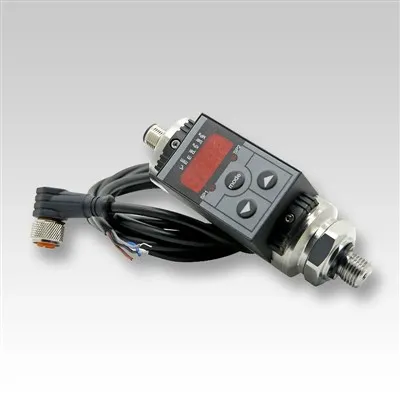
We also offer a range of related products, such as Intrinsically Safe Pressure Transmitter, Explosion Proof Digital Silicon Pressure Transmitter, and Explosion Proof Pressure Transmitter. These products are designed to meet the highest safety standards and are suitable for use in hazardous environments.
Conclusion
Transporting a compact pressure transmitter safely requires careful planning, proper packaging, and the selection of a reliable shipping method. By following the steps outlined in this blog, you can minimize the risk of damage during transit and ensure that your customers receive high - quality, fully functional transmitters.
If you are interested in purchasing compact pressure transmitters or have any questions about our products and services, please feel free to contact us. We are committed to providing you with the best solutions for your industrial pressure measurement needs.
References
- "Industrial Pressure Transmitter Handbook", XYZ Publishing, 20XX
- "Best Practices for Shipping Delicate Electronic Devices", ABC Logistics Journal, 20XX
- "Temperature and Humidity Effects on Pressure Transmitters", DEF Research Institute, 20XX