
How to select a melt temperature transmitter for a low - temperature application?
Leave a message

Selecting the right melt temperature transmitter for low - temperature applications can be a bit of a head - scratcher. As a supplier of melt temperature transmitters, I've seen firsthand the challenges that customers face when making this crucial decision. In this blog, I'll walk you through the key factors you need to consider to make an informed choice.
Understanding Low - Temperature Applications
First off, let's talk about what we mean by "low - temperature applications." Generally, low - temperature in the context of melt temperature transmitters can range from around - 40°C to 150°C. These applications are common in industries like food processing, pharmaceutical manufacturing, and some types of plastics extrusion where the materials being processed don't require extremely high temperatures.
Accuracy Matters
One of the most important things to look for in a melt temperature transmitter for low - temperature applications is accuracy. Even small temperature variations can have a big impact on the quality of the end product. For example, in food processing, if the temperature is off by just a few degrees, it could affect the texture, taste, and shelf - life of the food.
When evaluating accuracy, look at the transmitter's specifications. Most manufacturers will provide information on the accuracy as a percentage of the full - scale reading or in degrees Celsius. A good rule of thumb is to aim for a transmitter with an accuracy of at least ±0.5°C or better for low - temperature applications.
Response Time
Another critical factor is the response time of the transmitter. In low - temperature applications, you need a transmitter that can quickly detect changes in temperature. A slow response time can lead to over - or under - heating, which can damage the product or waste energy.


The response time is usually measured in seconds and can vary widely between different transmitters. For low - temperature applications, you'll want a transmitter with a response time of less than 10 seconds. This ensures that you can react quickly to any temperature changes and maintain precise control.
Compatibility with the Process
It's essential to choose a melt temperature transmitter that is compatible with your specific low - temperature process. Consider the type of material you're processing, the pressure in the system, and the installation requirements.
For example, if you're working with a corrosive material, you'll need a transmitter with a corrosion - resistant housing. If the application involves high pressure, the transmitter must be able to withstand the pressure without leaking or malfunctioning.
Environmental Considerations
The environment in which the transmitter will operate also plays a significant role in the selection process. Low - temperature applications can sometimes be in harsh environments, such as cold storage facilities or outdoor installations.
Look for a transmitter that is designed to withstand the environmental conditions. It should be able to operate in a wide range of temperatures, humidity levels, and be protected against dust and moisture. Some transmitters come with IP (Ingress Protection) ratings, which indicate their level of protection against solids and liquids. For outdoor or harsh indoor environments, an IP65 or higher rating is recommended.
Cost - Effectiveness
Of course, cost is always a consideration. You don't want to overspend on a melt temperature transmitter, but you also don't want to skimp on quality. Look for a transmitter that offers a good balance between price and performance.
Consider the long - term costs as well. A more expensive transmitter with better accuracy and reliability may save you money in the long run by reducing product waste, energy consumption, and maintenance costs.
Types of Melt Temperature Transmitters for Low - Temperature Applications
There are several types of melt temperature transmitters available for low - temperature applications. Here are a few common ones:
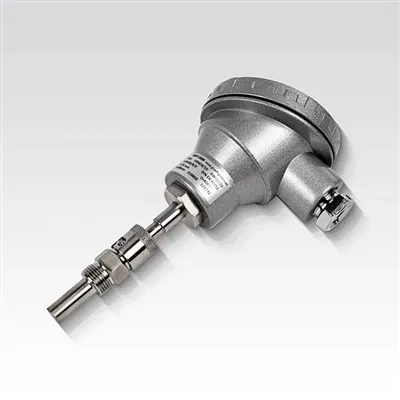
Integrated Melt Temperature Transmitter
The Integrated Melt Temperature Transmitter combines the sensor and the transmitter into a single unit. This type of transmitter is easy to install and offers a compact design. It's a great option for low - temperature applications where space is limited.
Melt Temperature Sensor for Extrusion
The Melt Temperature Sensor for Extrusion is specifically designed for extrusion processes. It can accurately measure the temperature of the melt as it passes through the extruder. This type of sensor is often used in plastics extrusion, where precise temperature control is crucial for the quality of the extruded product.
Extruder Melt Temperature Transmitter
The Extruder Melt Temperature Transmitter is another option for extrusion applications. It provides accurate temperature measurements and can be integrated into the extruder control system. This allows for real - time monitoring and adjustment of the temperature during the extrusion process.
Conclusion
Selecting the right melt temperature transmitter for low - temperature applications requires careful consideration of several factors, including accuracy, response time, compatibility, environmental conditions, and cost - effectiveness. By taking the time to evaluate these factors and choose the right type of transmitter, you can ensure that your low - temperature process runs smoothly and efficiently.
If you're in the market for a melt temperature transmitter for a low - temperature application, don't hesitate to reach out. We're here to help you find the perfect solution for your needs. Whether you have questions about our products or need advice on the selection process, we're just a message away. Start a conversation with us today to discuss your requirements and explore how our melt temperature transmitters can enhance your operations.
References
- "Temperature Measurement Handbook" by Omega Engineering
- Industry standards and guidelines for low - temperature applications in food processing and plastics extrusion.