
How does a Vortex Intelligent Flowmeter measure the flow of abrasive fluids?
Leave a message

Abrasive fluids are commonly found in various industrial applications, such as mining, cement production, and chemical processing. Measuring the flow of these fluids accurately is crucial for process control, efficiency, and cost management. As a leading supplier of Vortex Intelligent Flowmeters, I am excited to share how our innovative technology can effectively measure the flow of abrasive fluids.
Understanding Abrasive Fluids and Their Challenges
Abrasive fluids contain solid particles that can cause significant wear and tear on traditional flow measurement devices. These particles can erode the internal components of the flowmeter, leading to inaccurate measurements, reduced lifespan, and increased maintenance costs. Additionally, abrasive fluids may have high viscosity, which can further complicate the flow measurement process.
How Vortex Intelligent Flowmeters Work
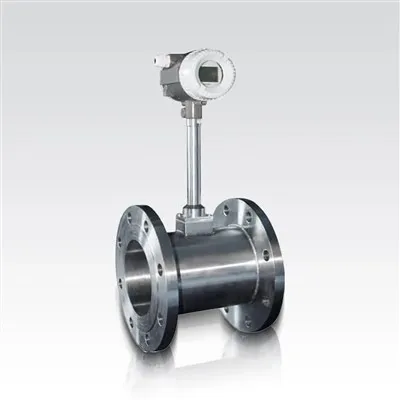
Vortex Intelligent Flowmeters operate based on the principle of the von Kármán vortex street. When a fluid flows past a bluff body (also known as a shedder bar) placed in the flow path, it creates alternating vortices on either side of the bluff body. The frequency of these vortices is directly proportional to the fluid velocity, and by measuring this frequency, the flow rate can be determined.
Our Vortex Intelligent Flowmeters are designed with several features that make them suitable for measuring the flow of abrasive fluids:


- Robust Construction: The flowmeter body and internal components are made from high-quality materials that are resistant to abrasion, such as stainless steel or ceramic. This ensures long-term durability and reliable performance in harsh environments.
- Advanced Sensor Technology: Our flowmeters are equipped with advanced sensors that can accurately detect the vortex frequency even in the presence of abrasive particles. These sensors are designed to minimize the effects of wear and tear, ensuring consistent and accurate measurements over time.
- Self-Cleaning Design: The unique design of our Vortex Intelligent Flowmeters allows for self-cleaning, which helps to prevent the buildup of abrasive particles on the internal components. This reduces the risk of clogging and ensures uninterrupted flow measurement.
Benefits of Using Vortex Intelligent Flowmeters for Abrasive Fluids
There are several benefits to using Vortex Intelligent Flowmeters for measuring the flow of abrasive fluids:
- Accurate Measurements: Our flowmeters provide highly accurate and repeatable measurements, even in challenging conditions. This allows for precise process control and optimization, leading to improved efficiency and reduced costs.
- Low Maintenance: The robust construction and self-cleaning design of our flowmeters minimize the need for maintenance and replacement parts. This reduces downtime and maintenance costs, making them a cost-effective solution for long-term use.
- Wide Range of Applications: Our Vortex Intelligent Flowmeters can be used in a variety of industries and applications, including mining, cement production, chemical processing, and wastewater treatment. They are suitable for measuring the flow of both liquid and gas abrasive fluids.
Comparison with Other Flow Measurement Technologies
When it comes to measuring the flow of abrasive fluids, there are several other flow measurement technologies available, such as LDG Electromagnetic Flowmeter and Turbine Flow Meter. While these technologies have their own advantages, Vortex Intelligent Flowmeters offer several unique benefits:
- No Moving Parts: Unlike turbine flow meters, Vortex Intelligent Flowmeters have no moving parts, which eliminates the risk of wear and tear caused by abrasive particles. This results in a longer lifespan and lower maintenance requirements.
- Insensitive to Fluid Properties: Vortex Intelligent Flowmeters are relatively insensitive to changes in fluid properties, such as viscosity and density. This makes them suitable for measuring the flow of a wide range of abrasive fluids, including those with high viscosity.
- High Turndown Ratio: Our Vortex Intelligent Flowmeters offer a high turndown ratio, which means they can accurately measure flow rates over a wide range. This provides greater flexibility in process control and allows for accurate measurements even at low flow rates.
Case Studies
To illustrate the effectiveness of our Vortex Intelligent Flowmeters in measuring the flow of abrasive fluids, let's take a look at a few case studies:
- Mining Industry: A mining company was experiencing problems with inaccurate flow measurements and frequent maintenance of their existing flowmeters due to the abrasive nature of the slurry they were handling. After installing our Vortex Intelligent Flowmeters, they saw a significant improvement in measurement accuracy and a reduction in maintenance costs.
- Cement Production: A cement plant was looking for a reliable flow measurement solution for their raw material slurry. Our Vortex Intelligent Flowmeters were installed, and they provided accurate and consistent measurements, even in the presence of high concentrations of abrasive particles. This helped the plant optimize their production process and reduce energy consumption.
Conclusion
In conclusion, Vortex Intelligent Flowmeters are an excellent choice for measuring the flow of abrasive fluids in various industrial applications. Their robust construction, advanced sensor technology, and self-cleaning design make them highly reliable and cost-effective. By choosing our Vortex Intelligent Flowmeters, you can ensure accurate flow measurements, reduce maintenance costs, and improve process efficiency.
If you are interested in learning more about our Vortex Intelligent Flowmeters or would like to discuss your specific flow measurement needs, please feel free to contact us. Our team of experts is ready to assist you in finding the best solution for your application.
References
- "Flow Measurement Handbook: Industrial Designs and Applications" by Richard W. Miller
- "Process Instrumentation and Control Handbook" by Bela G. Liptak