How to protect a Homogenizer Pressure Gauge from damage?
Leave a message

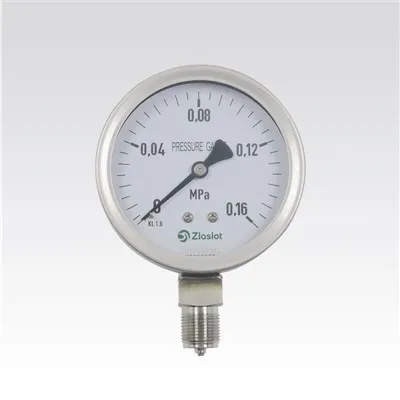
As a trusted supplier of Homogenizer Pressure Gauges, I understand the critical role these instruments play in various industrial processes. A homogenizer pressure gauge is designed to measure and monitor the pressure within a homogenizer, ensuring optimal performance and safety. However, these gauges are sensitive devices that can be easily damaged if not properly protected. In this blog post, I will share some essential tips on how to protect a homogenizer pressure gauge from damage, helping you extend its lifespan and maintain accurate readings.


Understanding the Causes of Damage
Before we delve into the protective measures, it's important to understand the common causes of damage to homogenizer pressure gauges. These include:
- Mechanical Shock: Sudden impacts or vibrations can cause the internal components of the gauge to become misaligned or damaged. This can lead to inaccurate readings or even complete failure of the gauge.
- Overpressure: Exceeding the maximum pressure rating of the gauge can cause the diaphragm or bourdon tube to rupture, resulting in a loss of pressure measurement and potential safety hazards.
- Corrosion: Exposure to corrosive substances or environments can cause the gauge to deteriorate over time, leading to leaks, inaccurate readings, and reduced lifespan.
- Temperature Extremes: Extreme temperatures can affect the accuracy of the gauge and cause damage to its internal components. High temperatures can cause the fluid inside the gauge to expand, while low temperatures can cause it to contract, leading to inaccurate readings.
- Contamination: Dust, dirt, and other contaminants can enter the gauge and interfere with its operation. This can cause the gauge to become clogged, leading to inaccurate readings or even complete failure.
Protective Measures
Now that we understand the common causes of damage, let's explore some effective protective measures that you can take to safeguard your homogenizer pressure gauge:
1. Choose the Right Gauge for Your Application
Selecting the appropriate gauge for your specific application is crucial. Consider factors such as the pressure range, temperature range, and the type of fluid being measured. Make sure the gauge is rated for the maximum pressure and temperature conditions that it will be exposed to. As a supplier, I offer a wide range of high-quality pressure gauges, including Digital Melt Presssure Gauges, High Temperature Mechanical Melt Presssure Gauges, and Mechanical Presssure Gauge, to meet your diverse needs.
2. Install the Gauge Properly
Proper installation is essential to ensure the accurate and reliable operation of the gauge. Follow the manufacturer's instructions carefully and use the appropriate mounting hardware. Make sure the gauge is installed in a location that is easily accessible for inspection and maintenance. Avoid installing the gauge in areas where it may be exposed to mechanical shock, vibrations, or extreme temperatures.
3. Use a Pressure Relief Valve
A pressure relief valve is a safety device that helps prevent overpressure situations. It is designed to open and release excess pressure when the pressure in the system exceeds a predetermined level. Installing a pressure relief valve in your homogenizer system can help protect the pressure gauge from damage caused by overpressure.
4. Protect the Gauge from Mechanical Shock and Vibrations
To protect the gauge from mechanical shock and vibrations, use shock mounts or vibration isolators. These devices can help absorb the impact and reduce the stress on the gauge. Additionally, make sure the gauge is securely mounted and that all connections are tight to prevent any movement or rattling.
5. Keep the Gauge Clean and Free from Contamination
Regularly clean the gauge to remove any dust, dirt, or other contaminants that may have accumulated on its surface. Use a soft, dry cloth to wipe the gauge clean. Avoid using abrasive materials or harsh chemicals, as these can damage the gauge. If the gauge is exposed to corrosive substances, make sure to clean it thoroughly and dry it completely to prevent corrosion.
6. Monitor the Temperature and Pressure
Regularly monitor the temperature and pressure in your homogenizer system to ensure that they are within the recommended range. Use a temperature sensor and a pressure sensor to accurately measure these parameters. If you notice any significant changes in the temperature or pressure, investigate the cause immediately and take appropriate action to prevent damage to the gauge.
7. Perform Regular Maintenance and Calibration
Regular maintenance and calibration are essential to ensure the accurate and reliable operation of the gauge. Follow the manufacturer's recommended maintenance schedule and perform any necessary inspections, cleaning, and calibration procedures. Calibrate the gauge regularly to ensure that it is providing accurate readings. If you are unsure how to perform these tasks, consult a qualified technician or contact me for assistance.
Conclusion
Protecting a homogenizer pressure gauge from damage is crucial to ensure its accurate and reliable operation. By following the tips outlined in this blog post, you can extend the lifespan of your gauge and maintain accurate readings. As a supplier of high-quality Homogenizer Pressure Gauges, I am committed to providing you with the best products and support. If you have any questions or need further assistance, please don't hesitate to contact me. I look forward to helping you protect your pressure gauges and optimize your industrial processes.
References
- Manufacturer's instructions and documentation for Homogenizer Pressure Gauges
- Industry standards and guidelines for pressure gauge installation, maintenance, and calibration
- Technical literature and research papers on pressure gauge technology and applications