
How to install a Vortex Intelligent Flowmeter in a pipeline with expansions?
Leave a message

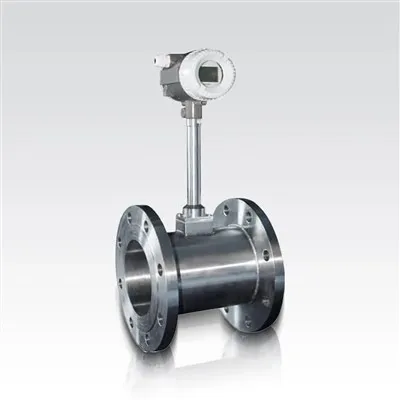
Hey there! As a supplier of Vortex Intelligent Flowmeters, I often get asked about how to install these nifty devices in pipelines with expansions. It's a crucial topic, especially for those in the industry who rely on accurate flow measurements. So, let's dive right in and explore the ins and outs of this installation process.
Understanding the Basics
First off, let's talk a bit about what a Vortex Intelligent Flowmeter is. It's a high - tech device that measures the flow rate of liquids, gases, or steam in a pipeline. It works based on the principle of the von Kármán vortex street. When a fluid flows past a bluff body in the pipeline, vortices are shed alternately on either side of the body. The frequency of these vortices is directly proportional to the flow velocity of the fluid.
Now, pipelines with expansions can pose some unique challenges during the installation of a Vortex Intelligent Flowmeter. Expansions in a pipeline can cause disturbances in the flow pattern, which might affect the accuracy of the flowmeter readings. So, we need to take extra care when installing the flowmeter in such pipelines.
Pre - installation Checks
Before you even start the installation process, there are a few things you need to check.
Pipeline Inspection
Inspect the pipeline thoroughly. Look for any signs of damage, corrosion, or debris inside the pipeline. Any of these issues can disrupt the flow and affect the performance of the flowmeter. Make sure the pipeline is clean and in good condition.
Flow Conditions
Understand the flow conditions in the pipeline. You need to know the type of fluid (liquid, gas, or steam), its temperature, pressure, and viscosity. These parameters will help you select the right type of Vortex Intelligent Flowmeter and ensure its proper operation.
Expansion Characteristics
Study the expansion characteristics of the pipeline. Know the amount of expansion and contraction the pipeline is likely to experience due to temperature changes. This information will be crucial when deciding on the installation location and the type of mounting hardware to use.
Selecting the Right Location
Choosing the right location for the Vortex Intelligent Flowmeter in a pipeline with expansions is key.
Upstream and Downstream Straight Runs
You need to have sufficient upstream and downstream straight runs of the pipeline. As a general rule, you should have at least 15 - 20 times the pipe diameter of straight pipe upstream of the flowmeter and 5 - 10 times the pipe diameter downstream. This helps to ensure a stable and uniform flow pattern before the fluid reaches the flowmeter.
Avoiding Expansion Joints
Try to avoid installing the flowmeter too close to expansion joints. Expansion joints can cause significant flow disturbances, which can lead to inaccurate readings. If possible, install the flowmeter at least 3 - 5 times the pipe diameter away from any expansion joints.
Mounting Orientation
The mounting orientation of the flowmeter is also important. For liquid applications, it's usually best to mount the flowmeter in a horizontal pipeline with the sensor facing upwards. This helps to prevent air bubbles from accumulating in the sensor. For gas applications, the flowmeter can be mounted in a vertical or horizontal pipeline, but make sure the flow is in the correct direction.
Mounting the Flowmeter
Once you've selected the right location, it's time to mount the Vortex Intelligent Flowmeter.
Using Flexible Mounting Hardware
Since the pipeline will expand and contract, it's important to use flexible mounting hardware. This allows the flowmeter to move with the pipeline without causing any damage or misalignment. You can use flexible couplings or expansion loops to connect the flowmeter to the pipeline.


Securing the Flowmeter
Make sure the flowmeter is securely mounted. Use the appropriate bolts and gaskets to ensure a leak - free connection. Tighten the bolts evenly to prevent any distortion of the flowmeter body.
Electrical Installation
After mounting the flowmeter, you need to do the electrical installation.
Wiring
Connect the flowmeter to the power supply and the control system according to the manufacturer's instructions. Use the correct gauge of wire and make sure all the connections are tight.
Grounding
Proper grounding is essential for the safe and accurate operation of the flowmeter. Ground the flowmeter to prevent electrical interference and ensure the reliability of the readings.
Calibration and Testing
Once the installation is complete, you need to calibrate and test the Vortex Intelligent Flowmeter.
Calibration
Calibrate the flowmeter using a known flow rate. This helps to ensure the accuracy of the flowmeter readings. You can use a calibration device or send the flowmeter to a calibration laboratory.
Testing
After calibration, test the flowmeter under normal operating conditions. Monitor the flowmeter readings and compare them with the expected values. If there are any discrepancies, check for any installation issues or calibration errors.
Troubleshooting
Even after a successful installation, you might encounter some problems with the Vortex Intelligent Flowmeter.
Inaccurate Readings
If you get inaccurate readings, it could be due to flow disturbances, incorrect calibration, or electrical interference. Check the upstream and downstream straight runs, re - calibrate the flowmeter, and ensure proper grounding.
Leakage
If there is a leakage at the flowmeter connections, check the gaskets and bolts. Tighten the bolts if necessary or replace the gaskets.
Other Flowmeter Options
While Vortex Intelligent Flowmeters are great for many applications, there are other types of flowmeters available as well. For example, the LDG Electromagnetic Flowmeter is a good option for measuring the flow of conductive liquids. It works based on Faraday's law of electromagnetic induction. Another option is the Turbine Flow Meter, which measures the flow rate by counting the rotations of a turbine in the fluid flow. And of course, you can always learn more about our Vortex Flowmeter on our website.
Conclusion
Installing a Vortex Intelligent Flowmeter in a pipeline with expansions might seem like a daunting task, but if you follow the steps outlined above, you can do it successfully. Remember to do your pre - installation checks, select the right location, use flexible mounting hardware, and perform proper calibration and testing.
If you're in the market for a Vortex Intelligent Flowmeter or have any questions about the installation process, don't hesitate to reach out. We're here to help you with all your flow measurement needs and can assist you in finding the best solution for your specific application. Contact us to start a procurement discussion and see how our flowmeters can improve your operations.
References
- Flow Measurement Handbook: Principles and Applications, by Richard W. Miller
- Instrumentation, Measurement, and Analysis, by Douglas C. Giancoli