How to clean a turbine flowmeter?
Leave a message

Hey there! As a supplier of Turbine Flowmeters, I know how crucial it is to keep these devices clean for accurate and efficient performance. In this blog, I'll walk you through the step - by - step process of cleaning a turbine flowmeter.
First things first, let's understand why cleaning a turbine flowmeter is so important. Turbine flowmeters work by measuring the flow rate of a fluid based on the rotation of a turbine blade inside the meter. Over time, dirt, debris, and other contaminants can build up on the turbine blades and other internal components. This buildup can affect the rotation of the turbine, leading to inaccurate flow measurements. It can also cause wear and tear on the parts, reducing the lifespan of the flowmeter.
Before you start cleaning, make sure you have all the necessary tools and materials. You'll need a cleaning solution that is compatible with the materials of the flowmeter. Typically, a mild detergent or a specialized flowmeter cleaning agent works well. You'll also need a soft - bristle brush, a lint - free cloth, and some distilled water for rinsing.
Step 1: Preparation
The first step is to shut down the system and isolate the turbine flowmeter. This means turning off the flow of the fluid through the meter. You should also relieve any pressure in the system to avoid any potential safety hazards. Once the system is shut down, carefully remove the flowmeter from the pipeline. Make sure to follow the manufacturer's instructions for removal, as different models may have different procedures.
Step 2: Disassembly
Once the flowmeter is removed, it's time to disassemble it. Start by removing the outer housing of the flowmeter. This will give you access to the internal components, including the turbine blades. Be very careful when handling the parts, as they can be delicate. Use a screwdriver or other appropriate tools to remove any screws or fasteners holding the housing in place. Keep all the parts organized, so you can easily put the flowmeter back together later.


Step 3: Cleaning the Components
Now that you have the components disassembled, it's time to start cleaning. Dip the soft - bristle brush into the cleaning solution and gently scrub the turbine blades. Pay close attention to the edges and the areas where dirt and debris tend to accumulate. You can also use the brush to clean the inside of the housing and other internal parts. Make sure to remove all visible dirt and contaminants.
After scrubbing, rinse the components thoroughly with distilled water. This will remove any remaining cleaning solution and dirt. You can use a container filled with distilled water to soak the parts for a few minutes to ensure a thorough rinse.
Step 4: Drying
Once the components are rinsed, it's important to dry them completely. Use a lint - free cloth to gently pat the parts dry. Avoid using any materials that could leave behind fibers or debris. You can also let the parts air - dry for a while to make sure there is no moisture left. Moisture can cause corrosion and other problems, so it's crucial to get the parts completely dry.
Step 5: Reassembly
After the components are dry, it's time to put the flowmeter back together. Start by carefully placing the turbine blades back into the housing. Make sure they are properly aligned and seated. Then, reattach the outer housing using the screws or fasteners you removed earlier. Tighten them securely, but be careful not to overtighten, as this could damage the parts.
Step 6: Installation and Testing
Once the flowmeter is reassembled, it's time to install it back into the pipeline. Make sure to follow the manufacturer's instructions for installation. Once it's installed, turn on the system and check for any leaks. Then, perform a calibration test to ensure that the flowmeter is working accurately.
Now, let me tell you a bit more about turbine flowmeters. Turbine flowmeters are widely used in various industries, such as oil and gas, chemical processing, and water treatment. They are known for their high accuracy and reliability. If you're interested in learning more about turbine flowmeters, you can check out our Turbine Flow Meter page on our website.
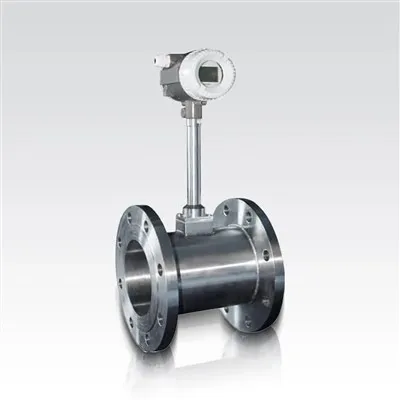
We also offer other types of flowmeters, such as Vortex Flowmeter and LDG Electromagnetic Flowmeter. Each type of flowmeter has its own advantages and is suitable for different applications.
If you're in the market for a new flowmeter or need to clean and maintain your existing one, we're here to help. Our team of experts can provide you with all the information and support you need. Whether you have questions about the cleaning process, installation, or calibration, we're just a call or an email away. We understand that accurate flow measurement is crucial for your business, and we're committed to providing you with the best products and services.
In conclusion, cleaning a turbine flowmeter is a relatively straightforward process if you follow the right steps. By keeping your flowmeter clean, you can ensure accurate measurements and extend its lifespan. If you have any further questions or need more detailed information, don't hesitate to reach out to us. We're always happy to assist you in making the most of your flowmeter.
References:
- Manufacturer's manuals for turbine flowmeters
- Industry best practices for flowmeter maintenance and cleaning