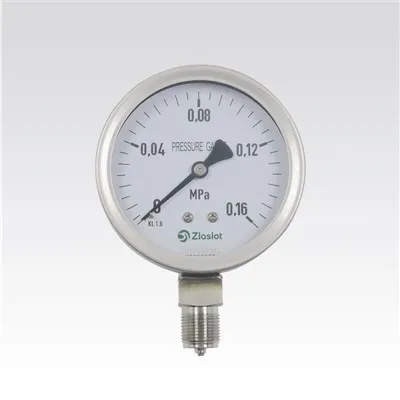

What are MEMS pressure transmitters?
Leave a message

MEMS pressure transmitters, a revolutionary technology in the field of pressure measurement, have gained significant traction in various industries due to their unique features and capabilities. As a prominent supplier of MEMS pressure transmitters, I am excited to delve into the details of what these devices are, how they work, and their diverse applications.
What are MEMS Pressure Transmitters?
MEMS, which stands for Micro-Electro-Mechanical Systems, refers to a technology that combines mechanical elements, sensors, actuators, and electronics on a single silicon chip through microfabrication techniques. A MEMS pressure transmitter is a device that uses MEMS technology to measure pressure and convert it into an electrical signal.
The core of a MEMS pressure transmitter is the MEMS pressure sensor, which is typically a thin silicon diaphragm. When pressure is applied to the diaphragm, it deflects. This deflection is then converted into an electrical signal, usually through piezoresistive or capacitive sensing mechanisms. Piezoresistive sensors change their resistance when the diaphragm deflects, while capacitive sensors change their capacitance. These changes in electrical properties are then measured and processed to determine the applied pressure.
How MEMS Pressure Transmitters Work
Let's take a closer look at the working principle of MEMS pressure transmitters.
Piezoresistive MEMS Pressure Sensors
In piezoresistive MEMS pressure sensors, four piezoresistors are typically placed on the silicon diaphragm. When pressure is applied, the diaphragm deflects, causing the piezoresistors to experience stress. According to the piezoresistive effect, the resistance of the piezoresistors changes under stress. These piezoresistors are usually connected in a Wheatstone bridge configuration. As the resistance of the piezoresistors changes, the output voltage of the Wheatstone bridge changes proportionally to the applied pressure. This output voltage is then amplified and conditioned by the signal processing circuitry in the pressure transmitter to provide a usable electrical signal, such as a voltage or current output.
Capacitive MEMS Pressure Sensors
Capacitive MEMS pressure sensors work based on the change in capacitance between two electrodes. One electrode is fixed, and the other is formed on the deflecting diaphragm. When pressure is applied, the diaphragm moves towards or away from the fixed electrode, changing the distance between them. According to the capacitance formula (C = \epsilon\frac{A}{d}) (where (C) is capacitance, (\epsilon) is the permittivity of the dielectric material between the electrodes, (A) is the area of the electrodes, and (d) is the distance between the electrodes), the capacitance changes. This change in capacitance is detected and converted into an electrical signal by the signal processing circuitry.
Advantages of MEMS Pressure Transmitters
MEMS pressure transmitters offer several advantages over traditional pressure measurement devices:

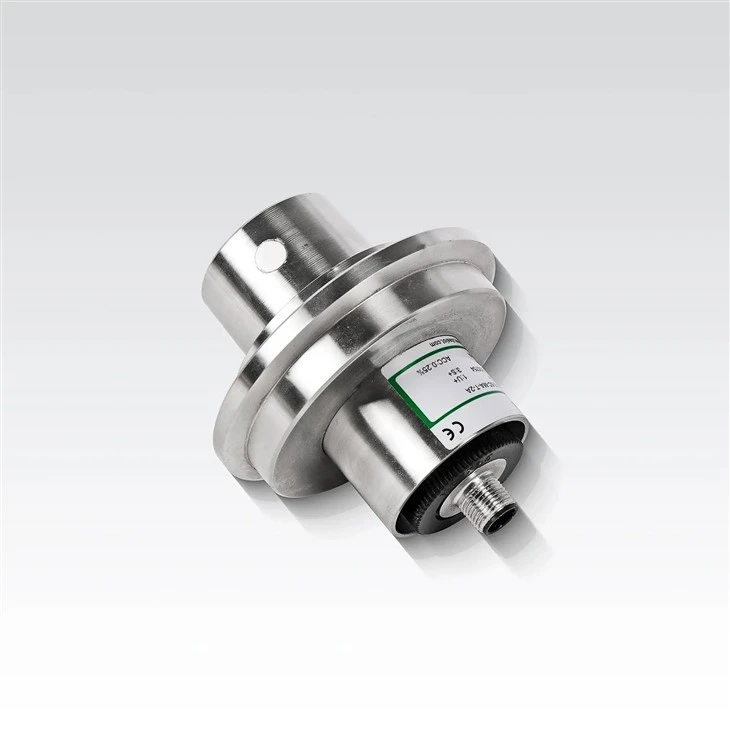
Small Size
One of the most significant advantages of MEMS pressure transmitters is their small size. The microfabrication technology allows for the integration of the pressure sensor and signal processing circuitry on a single chip, resulting in a compact device. This small size makes them suitable for applications where space is limited, such as in medical devices, automotive engines, and aerospace systems.
Low Cost
Mass production techniques used in MEMS manufacturing enable the production of MEMS pressure transmitters at a relatively low cost. The ability to fabricate multiple devices on a single silicon wafer reduces the cost per unit significantly. This cost-effectiveness makes MEMS pressure transmitters accessible for a wide range of applications, from consumer electronics to industrial automation.
High Sensitivity and Accuracy
MEMS pressure sensors can achieve high sensitivity and accuracy due to the precise control of the silicon diaphragm's dimensions and properties during the microfabrication process. They can detect small changes in pressure, making them suitable for applications that require precise pressure measurement, such as in laboratory instruments and environmental monitoring systems.
Low Power Consumption
MEMS pressure transmitters typically consume low power, which is beneficial for battery-powered applications. The low power consumption extends the battery life of portable devices and reduces the overall energy consumption in applications where continuous pressure monitoring is required.
Applications of MEMS Pressure Transmitters
MEMS pressure transmitters have a wide range of applications in various industries:
Automotive Industry
In the automotive industry, MEMS pressure transmitters are used for engine management, tire pressure monitoring systems (TPMS), and fuel injection systems. In engine management, they measure intake manifold pressure, exhaust gas pressure, and oil pressure to optimize engine performance and reduce emissions. TPMS uses MEMS pressure sensors to monitor the tire pressure and alert the driver if the pressure is too low, improving safety and fuel efficiency.
Medical Industry
MEMS pressure transmitters play a crucial role in medical devices such as ventilators, blood pressure monitors, and infusion pumps. In ventilators, they measure the airway pressure to ensure proper ventilation of patients. Blood pressure monitors use MEMS pressure sensors to accurately measure blood pressure. Infusion pumps use pressure sensors to control the flow rate of fluids being infused into the patient's body.
Industrial Automation
In industrial automation, MEMS pressure transmitters are used for process control, level measurement, and leak detection. They can measure the pressure of gases and liquids in pipelines, tanks, and reactors to ensure the safe and efficient operation of industrial processes. For example, in a chemical plant, they can monitor the pressure of reactants and products in the production process to prevent overpressure and ensure product quality.
Aerospace and Defense
In the aerospace and defense industry, MEMS pressure transmitters are used for altitude measurement, airspeed measurement, and hydraulic system monitoring. In aircraft, they measure the air pressure outside the aircraft to determine the altitude and airspeed. In hydraulic systems, they monitor the pressure of hydraulic fluids to ensure the proper operation of flight control surfaces and landing gear.
Environmental Monitoring
MEMS pressure transmitters are also used in environmental monitoring systems to measure atmospheric pressure, water pressure in rivers and lakes, and soil pressure. Atmospheric pressure measurement is important for weather forecasting and climate research. Water pressure measurement can be used to monitor the water level in rivers and lakes and detect floods. Soil pressure measurement can be used in geotechnical engineering to monitor the stability of slopes and foundations.
Our MEMS Pressure Transmitters
As a leading supplier of MEMS pressure transmitters, we offer a wide range of products to meet the diverse needs of our customers. Our MEMS pressure transmitters are designed with high-quality materials and advanced manufacturing processes to ensure reliable performance and long service life.
We have MEMS pressure transmitters suitable for various applications, including the MEMS Pressure Sensor for Shield Tunneling Machine. This specialized sensor is designed to withstand the harsh environment of shield tunneling, including high pressure, high humidity, and vibration. It provides accurate pressure measurement to ensure the safe and efficient operation of the shield tunneling machine.
Our products are characterized by high accuracy, high sensitivity, and low power consumption. We also offer customized solutions to meet the specific requirements of our customers. Our team of experienced engineers can work closely with customers to develop tailored MEMS pressure transmitters for their unique applications.
Why Choose Our MEMS Pressure Transmitters?
- Quality Assurance: We have a strict quality control system in place to ensure that our products meet the highest standards of quality and reliability. Our MEMS pressure transmitters are tested rigorously before leaving the factory to ensure their performance and functionality.
- Technical Support: Our team of technical experts is available to provide comprehensive technical support to our customers. Whether you have questions about product selection, installation, or operation, we can offer timely and professional assistance.
- Competitive Pricing: We strive to offer our customers competitive pricing without compromising on quality. Our cost-effective products make them an attractive choice for customers looking for high-quality MEMS pressure transmitters at a reasonable price.
Contact Us for Purchase and Consultation
If you are interested in our MEMS pressure transmitters or have any questions about our products, please feel free to contact us. We are committed to providing our customers with the best products and services. Whether you are in the automotive, medical, industrial automation, aerospace, or environmental monitoring industry, we can provide you with the right MEMS pressure transmitter solutions. Our team is ready to discuss your specific requirements and help you find the most suitable products for your applications.
References
- Kovacs, G. T. A. (1998). Micromachined Transducers Sourcebook. McGraw-Hill.
- Madou, M. J. (2002). Fundamentals of Microfabrication: The Science of Miniaturization. CRC Press.
- Smith, C. S. (1954). Piezoresistance effect in germanium and silicon. Physical Review, 94(1), 42-49.