How do Indicators and Controllers work together in a system?
Leave a message

Hey there! As a supplier of indicators and controllers, I've seen firsthand how these two components work in harmony within a system. In this blog, I'll break down how indicators and controllers team up to make systems run smoothly, and I'll also show you some of the great products we offer.
Understanding Indicators and Controllers
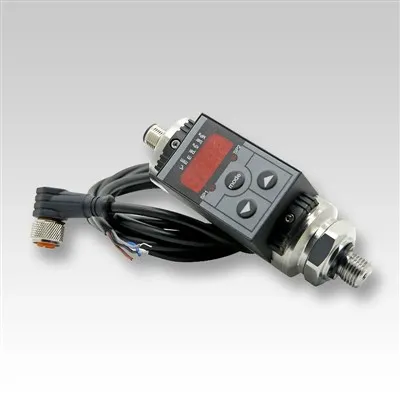
Let's start by getting a clear idea of what indicators and controllers are. Indicators are like the eyes of a system. They display important information such as pressure, temperature, or flow rate. You can think of them as the dashboard of a car, showing you the vital stats at a glance. For example, a Melt Pressure Indicator gives you real - time data on the melt pressure in a plastic extrusion process. This helps operators know if the process is running within the acceptable range.
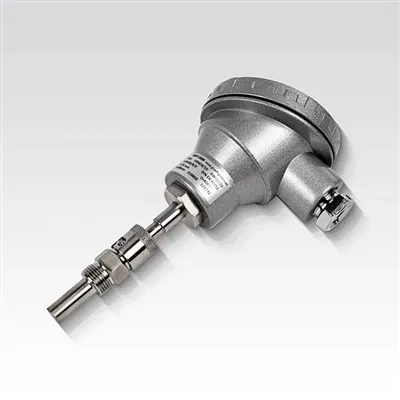
On the other hand, controllers are the brains. They take the information from the indicators and make decisions based on pre - set parameters. A controller can adjust variables like temperature, pressure, or speed to keep the system operating optimally. For instance, a Temperature Controller will monitor the temperature via an indicator and then adjust the heating or cooling elements to maintain the desired temperature.
How They Work Together
Feedback Loop
The key to how indicators and controllers work together is the feedback loop. It's a continuous cycle that ensures the system stays on track. First, the indicator measures a particular variable, say, temperature. It then sends this information to the controller. The controller compares the measured value with the setpoint (the desired value).
If the measured temperature is lower than the setpoint, the controller will send a signal to increase the heat. Conversely, if the temperature is too high, the controller will reduce the heat. This process keeps repeating, constantly adjusting the system to maintain the setpoint. It's like a thermostat in your home. The thermostat (indicator) senses the room temperature and sends that info to the heating or cooling system's controller. The controller then decides whether to turn the heater on or off to keep the room at the right temperature.
Complementary Functions
Indicators and controllers have complementary functions. Indicators provide the raw data, while controllers act on that data. Without an indicator, the controller would be blind, not knowing what's going on in the system. And without a controller, the indicator would just be a display of information with no way to correct any issues.


Let's take a chemical process as an example. A Pressure Temperature Indicator monitors both pressure and temperature in a reaction vessel. The controller uses this data to ensure that the pressure and temperature stay within the safe and efficient range for the chemical reaction. If the pressure starts to rise too high, the controller can open a valve to release some pressure. If the temperature drops, it can increase the heat input.
Real - World Applications
Industrial Manufacturing
In industrial manufacturing, indicators and controllers are everywhere. In a metal - working plant, temperature indicators and controllers are used to control the heat treatment process. Precise temperature control is crucial for the quality of the metal parts. The indicator measures the temperature of the furnace, and the controller adjusts the heating elements to keep the temperature steady.
In the food and beverage industry, pressure and temperature indicators and controllers are used in processes like pasteurization. The controller ensures that the product is heated to the right temperature for the right amount of time to kill harmful bacteria while preserving the quality of the food.
HVAC Systems
Heating, ventilation, and air - conditioning (HVAC) systems rely heavily on indicators and controllers. Temperature and humidity indicators measure the environmental conditions in a building. The controller then adjusts the HVAC equipment to maintain a comfortable and healthy indoor environment. For example, if the humidity is too high, the controller can turn on the dehumidifier.
Our Product Offerings
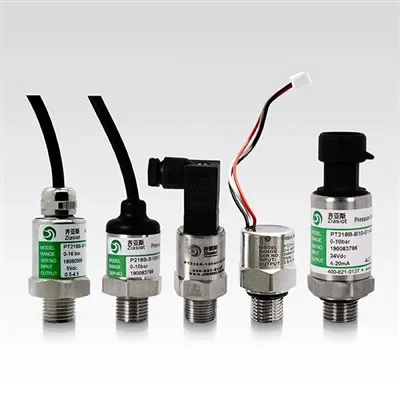
As a supplier of indicators and controllers, we offer a wide range of high - quality products. Our Melt Pressure Indicator is designed for accurate and reliable pressure measurement in plastic processing. It has a user - friendly interface and can be easily integrated into existing systems.
Our Pressure Temperature Indicator combines the measurement of pressure and temperature in one device. This saves space and reduces costs in systems where both parameters need to be monitored.
The Temperature Controller is a powerful tool for precise temperature control. It has advanced features like programmable setpoints and alarms, allowing for customized control in various applications.
Why Choose Our Products
Our indicators and controllers are known for their accuracy, reliability, and ease of use. We use the latest technology to ensure that our products provide accurate readings and efficient control. Our team of experts is always available to provide technical support and advice, making sure that you get the most out of our products.
Contact Us for Procurement
If you're in the market for indicators and controllers, we'd love to hear from you. Whether you're looking to upgrade your existing system or start a new project, our products can meet your needs. Contact us to discuss your requirements and get a quote. We're committed to providing you with the best solutions for your indicator and controller needs.
References
- Dorf, R. C., & Bishop, R. H. (2016). Modern Control Systems. Pearson.
- Nise, N. S. (2015). Control Systems Engineering. Wiley.