
How to choose the right melt pressure indicator for my application?
Leave a message

Picking the right melt pressure indicator for your application can be a bit of a head - scratcher. But don't worry, I'm here to help you out. As a supplier of melt pressure indicators, I've seen it all and can give you some tips to make this choice a whole lot easier.
First off, let's talk about what a melt pressure indicator actually is. It's a device that measures the pressure of molten materials, like plastics during the extrusion or injection molding process. Getting an accurate reading is crucial because it helps ensure the quality of the final product. If the pressure is too high or too low, it can lead to all sorts of problems, like poor surface finish, inconsistent dimensions, or even product failure.


Now, when you're looking for the right melt pressure indicator, the first thing you need to consider is the range of pressure your application requires. Different processes have different pressure needs. For example, in some simple plastic extrusion processes, the pressure might be relatively low, say around 0 - 1000 psi. But in high - end injection molding applications, you could be dealing with pressures upwards of 30,000 psi. So, you need to know the maximum and minimum pressure your process will generate. You don't want to buy an indicator with a range that's too narrow because it won't be able to handle the full pressure, and if it's too wide, you might not get accurate readings.
Accuracy is another super important factor. You want an indicator that can give you precise measurements. The accuracy of a melt pressure indicator is usually expressed as a percentage of the full - scale reading. For most industrial applications, an accuracy of ±0.25% to ±1% of the full - scale is acceptable. But if your process demands really high precision, like in medical device manufacturing or aerospace applications, you might need an indicator with an even higher accuracy, say ±0.1%. Keep in mind that higher accuracy usually comes with a higher price tag, so you need to balance your requirements with your budget.
The environment in which the indicator will operate also matters a great deal. If your process involves high temperatures, you need an indicator that can withstand those conditions. Some melt pressure indicators are designed to work in temperatures up to 600°F or even higher. On the other hand, if there's a lot of vibration or shock in your working area, you'll need an indicator that's rugged and can resist damage. You don't want your indicator to break down easily because it can disrupt your production and cost you a lot of money in repairs and downtime.
Compatibility is yet another aspect to think about. Your melt pressure indicator needs to be compatible with the rest of your equipment. For example, it should be able to interface with your control system. Most modern indicators come with standard output signals, like 4 - 20 mA or 0 - 5 VDC, which can be easily connected to a PLC (Programmable Logic Controller) or other control devices. Make sure the indicator you choose has the right output signal for your system.
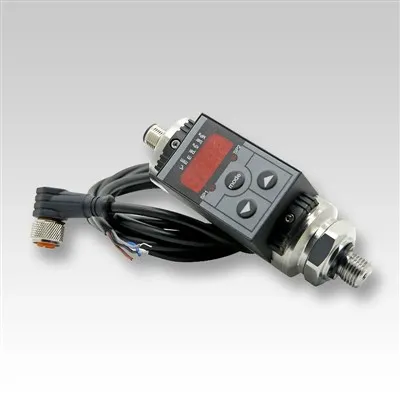
Let's talk about some of the features that can make your life easier. Some melt pressure indicators come with digital displays, which are much easier to read than analog ones. You can get clear numerical readings and even set up alarms if the pressure goes out of the desired range. There are also indicators with built - in data logging capabilities. This can be really useful if you need to keep track of pressure trends over time. You can analyze the data later to identify any potential problems in your process.
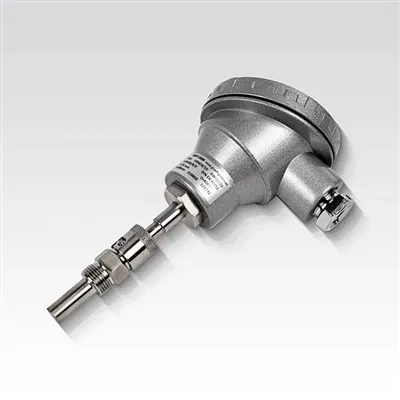
Now, I want to mention a few related products that you might also be interested in. If you're dealing with molten materials, you might also need a Temperature Indicator. Temperature is just as important as pressure in many processes. A good temperature indicator can help you monitor and control the temperature of your molten material, ensuring consistent quality. And if you need to actively control the temperature, a Temperature Controller is a must - have. It allows you to set a specific temperature and keeps the process at that level.
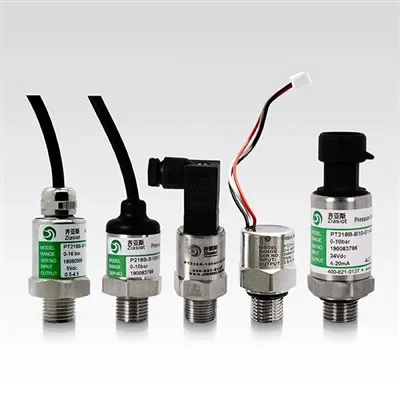
Of course, I'd be remiss if I didn't mention our Melt Pressure Indicator. We offer a wide range of indicators that are designed to meet different needs. Whether you need a high - accuracy indicator for a precision process or a rugged one for a harsh environment, we've got you covered. Our indicators are known for their reliability and performance. We also provide excellent customer support, so if you have any questions or run into any issues, our team is always ready to help.
In conclusion, choosing the right melt pressure indicator for your application requires careful consideration of factors like pressure range, accuracy, environment, compatibility, and features. Don't rush into a decision. Take the time to understand your requirements and do some research. And if you need any help or have any questions, feel free to reach out. We're here to make sure you get the best indicator for your needs. Whether you're a small - scale manufacturer or a large industrial company, having the right melt pressure indicator can make a huge difference in your production efficiency and product quality. So, don't hesitate to start the conversation about finding the perfect fit for your operation.
If you're interested in learning more about our melt pressure indicators or want to discuss your specific application, we'd love to hear from you. Just get in touch, and we can start a conversation about how we can help you improve your process with the right equipment.
References
- Industrial Process Instrumentation Handbook, 4th Edition
- Plastics Extrusion Technology, 3rd Edition
- Handbook of Pressure Measurement