
Can an electromagnetic flowmeter be used in power plants?
Leave a message

Hey there! I'm an Electromagnetic Flowmeter supplier, and today I want to have a chat with you about whether an electromagnetic flowmeter can be used in power plants. It's a question that comes up quite often, so let's dig into it.
How Electromagnetic Flowmeters Work
First off, let's quickly go over how these things work. Electromagnetic flowmeters operate based on Faraday's law of electromagnetic induction. When a conductive fluid flows through a magnetic field generated by the flowmeter, a voltage is induced. This voltage is proportional to the flow velocity of the fluid. The flowmeter then measures this voltage and calculates the flow rate.
Advantages in Power Plants
Now, power plants have a wide range of fluid - handling requirements. And electromagnetic flowmeters have several advantages that make them a great fit.
1. Accuracy and Reliability
In power plants, accurate flow measurement is crucial. Whether it's measuring the flow of water in the cooling systems or the flow of conductive chemicals in the treatment processes, any inaccurate measurement can lead to inefficiencies or even safety hazards. Electromagnetic flowmeters are known for their high accuracy. They are not affected by changes in fluid density, viscosity, or temperature as long as the fluid remains conductive. This means they can provide consistent and reliable flow measurements over a long period.
2. Non - Intrusive Design
Most electromagnetic flowmeters have a non - intrusive design. They don't have any moving parts that are in contact with the fluid. This is a huge advantage in power plants where the fluids can be abrasive or corrosive. For example, the water used in cooling systems may contain particles that could damage traditional flow meters with moving parts. With an electromagnetic flowmeter, there's no such risk of damage from abrasion, and it also reduces the need for frequent maintenance.


3. Wide Range of Applications
Power plants deal with different types of conductive fluids. Water is the most common one, used in boilers, condensers, and cooling towers. But there are also other conductive fluids like chemical solutions used for water treatment. Electromagnetic flowmeters can handle a wide range of conductive fluids, making them very versatile for use in various processes within a power plant.
Challenges and Considerations
However, it's not all sunshine and rainbows. There are some challenges and considerations when using electromagnetic flowmeters in power plants.
1. Conductivity Requirements
As mentioned earlier, electromagnetic flowmeters rely on the conductivity of the fluid. If the fluid has very low conductivity, the flowmeter may not work properly. In power plants, some fluids may have low conductivity due to their chemical composition. In such cases, additional measures may need to be taken, like adding a conductive agent to the fluid, which can be a hassle and add to the operating costs.
2. Installation Requirements
Proper installation is crucial for the accurate operation of electromagnetic flowmeters. They need to be installed in a straight section of the pipe to ensure a uniform flow profile. In power plants, where the piping systems can be complex and space - constrained, finding a suitable installation location can be a challenge.
3. Cost
Electromagnetic flowmeters can be more expensive than some other types of flow meters, like Turbine Flow Meter. The initial investment for purchasing and installing an electromagnetic flowmeter can be relatively high. However, when you consider the long - term benefits in terms of accuracy and reliability, it may still be a worthwhile investment.
Comparison with Other Flow Meters
Let's compare electromagnetic flowmeters with some other common flow meters used in power plants.
Turbine Flow Meter
Turbine Flow Meter works by measuring the rotation speed of a turbine blade as the fluid passes through it. They are relatively inexpensive and can measure a wide range of flow rates. However, they have moving parts that are subject to wear and tear, especially when the fluid is abrasive. Also, they are more sensitive to changes in fluid properties like viscosity and density, which can affect their accuracy.
Vortex Flowmeter
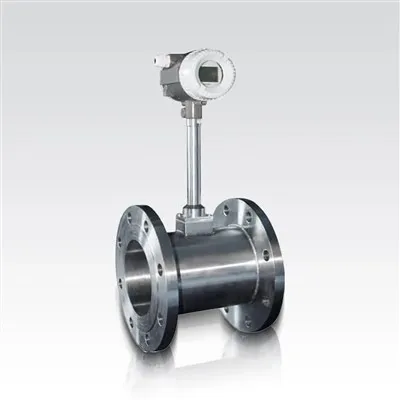
Vortex Flowmeter measures the flow rate by detecting the frequency of vortices shed from a bluff body in the flow path. They are suitable for measuring the flow of gases and liquids. But they may not be as accurate as electromagnetic flowmeters, especially for low - flow applications. Also, they can be affected by vibrations in the piping system, which are common in power plants.
Our LDG Electromagnetic Flowmeter
At our company, we offer the LDG Electromagnetic Flowmeter. It's designed to address the specific needs of power plants.
High - Quality and Durable
The LDG Electromagnetic Flowmeter is built with high - quality materials that can withstand the harsh environments in power plants. It has a robust construction that can resist corrosion and abrasion, ensuring a long service life.
Advanced Technology
It uses the latest electromagnetic flow measurement technology, providing high - accuracy measurements. It also has a digital display that shows real - time flow rate and total flow, making it easy for operators to monitor the fluid flow.
Easy Installation and Maintenance
We've designed the LDG Electromagnetic Flowmeter to be easy to install and maintain. It comes with detailed installation instructions, and our technical support team is always ready to assist if you run into any problems.
Conclusion
So, can an electromagnetic flowmeter be used in power plants? The answer is a resounding yes. Despite some challenges, their advantages in terms of accuracy, reliability, and versatility make them a great choice for many applications in power plants.
If you're in the power plant industry and looking for a reliable flow measurement solution, I highly recommend considering our LDG Electromagnetic Flowmeter. Don't hesitate to get in touch with us for more information or to start a procurement discussion. We're here to help you find the best flow measurement solution for your specific needs.
References
- Principles of Electromagnetic Flow Measurement, Flow Measurement Handbook
- Power Plant Fluid Handling and Flow Meter Selection, Industrial Flow Magazine