How do I mount a digital pressure gauge?
Leave a message

Hey there! As a supplier of Digital Pressure Gauges, I often get asked about how to mount these nifty devices. It's not as complicated as it might seem at first glance, and I'm here to walk you through the whole process step by step.
First off, let's talk about why mounting a digital pressure gauge correctly is so important. A well - mounted gauge gives you accurate readings. And in industries where precision is key, like manufacturing, automotive, or even in some home DIY projects, having accurate pressure readings can make a huge difference. It can prevent equipment damage, ensure safety, and save you a lot of headaches in the long run.
Pre - installation Checks
Before you even start mounting your digital pressure gauge, there are a few things you need to check. First, make sure the gauge you've got is suitable for the application. Different gauges are designed for different pressure ranges and types of media. For example, if you're dealing with high - pressure steam, you'll need a gauge that can handle those extreme conditions.
Inspect the gauge for any visible damage. Look for cracks in the housing, loose wires, or any other signs that might indicate a problem. If you find anything wrong, don't try to mount it. Instead, contact us, and we'll get you a replacement.
You'll also need to gather the necessary tools. Usually, you'll need a wrench, some thread sealant (like Teflon tape), and maybe a screwdriver depending on the mounting method.
Choosing the Right Location
Picking the right spot to mount your digital pressure gauge is crucial. The location should be easily accessible so that you can read the gauge and perform any necessary maintenance. It should also be away from sources of excessive vibration, heat, or moisture, as these can affect the gauge's accuracy and lifespan.
If you're mounting it in a pipe system, choose a location where the pressure is stable. Avoid areas near valves or bends where the pressure can fluctuate rapidly. A straight section of the pipe is usually the best choice.
Mounting Methods
There are a few different ways to mount a digital pressure gauge, and the method you choose depends on your specific situation.


Threaded Mounting
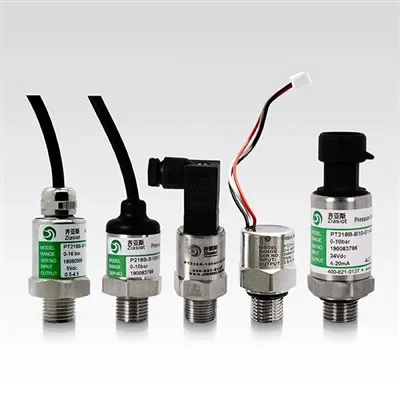
This is one of the most common methods. Most digital pressure gauges come with a threaded connection. First, clean the threads on the gauge and the mounting point. Then, apply a thin layer of thread sealant to the gauge threads. This helps to prevent leaks.
Carefully screw the gauge into the mounting point by hand. Once it's hand - tight, use a wrench to give it a final quarter - turn or so. Be careful not to over - tighten, as this can damage the threads or the gauge itself.
Flange Mounting
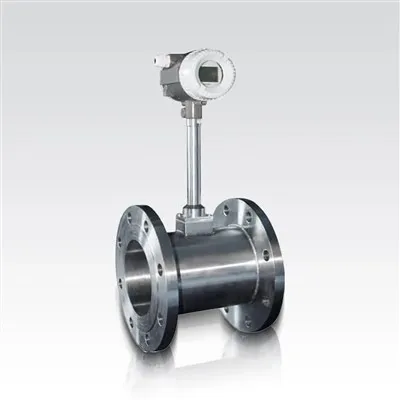
Flange mounting is often used in larger systems or where a more secure connection is required. You'll need to align the gauge flange with the mounting flange. Make sure the holes match up perfectly. Then, insert the bolts through the holes and tighten them evenly. Use a torque wrench to ensure that you're applying the correct amount of torque. This helps to prevent leaks and ensures a proper seal.
Panel Mounting
If you're mounting the gauge on a control panel or a dashboard, panel mounting is the way to go. First, cut a hole in the panel that matches the size of the gauge's mounting bezel. Then, insert the gauge through the hole from the front. Secure it from the back using nuts or clips. This method gives a clean and professional look and is great for applications where you want the gauge to be part of a control system.
Wiring the Gauge
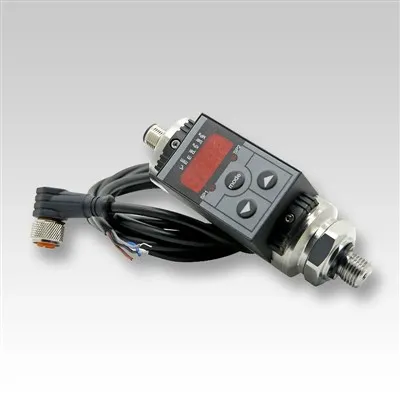
Once the gauge is physically mounted, you'll need to wire it up. Most digital pressure gauges come with clear wiring instructions. Usually, you'll have to connect the power supply wires and the signal output wires.
Make sure you follow the correct color - coding. For example, red is often for the positive power supply, black for the negative, and other colors for the signal output. Use wire strippers to expose the wire ends, and then connect them using appropriate connectors. After wiring, check for any loose connections and make sure everything is secure.
Testing the Gauge
After mounting and wiring, it's time to test the gauge. Turn on the power supply and let the gauge warm up for a few minutes. Then, apply pressure to the system and check the gauge reading. Compare it with a known reference if possible. If the reading is off, there might be a problem with the installation. Check for leaks, loose connections, or any other issues.
If you're still having problems, don't hesitate to reach out to us. We've got a team of experts who can help you troubleshoot and get your gauge working correctly.
Types of Digital Pressure Gauges
We offer a wide range of digital pressure gauges to suit different needs. If you're interested in more traditional options, you can check out our Mechanical Presssure Gauge. These gauges are reliable and have been used in many industries for a long time.
For applications where you need to measure vacuum pressure, our Vacuum Digital Pressure Gauge is a great choice. It's designed to accurately measure negative pressures.
If you're in the plastics or rubber industry, our Digital Melt Presssure Gauges are specifically designed to handle the high - pressure and high - temperature conditions of melt pressure measurement.
Conclusion
Mounting a digital pressure gauge isn't too difficult if you follow the right steps. By choosing the right location, using the correct mounting method, wiring it up properly, and testing it thoroughly, you can ensure that your gauge gives accurate and reliable readings.
If you have any questions about mounting, choosing the right gauge, or anything else related to digital pressure gauges, don't hesitate to contact us. We're here to help you with all your pressure measurement needs. Whether you're a small business or a large industrial operation, we've got the products and expertise to meet your requirements. So, get in touch with us today, and let's start a conversation about how we can help you with your pressure gauge needs.
References
- Manufacturer's installation manuals for digital pressure gauges
- Industry standards for pressure gauge installation and maintenance