Can Settlement Sensors be used in historical buildings?
Leave a message

Can Settlement Sensors be used in historical buildings?
As a supplier of settlement sensors, I often encounter questions about the applicability of our products in various scenarios, especially in historical buildings. Historical buildings are not only architectural treasures but also carriers of cultural heritage. Preserving their structural integrity is of utmost importance. In this blog, I will explore whether settlement sensors can be used in historical buildings and the implications of such usage.
The Need for Monitoring in Historical Buildings
Historical buildings face a variety of challenges over time. Natural factors such as soil settlement, seismic activity, and weathering can gradually affect their structural stability. Human - induced factors like nearby construction, changes in land use, and improper maintenance also pose risks. For example, the Leaning Tower of Pisa is a well - known case where soil settlement has caused significant tilting. Monitoring the settlement of historical buildings can help detect early signs of problems, allowing for timely intervention and preservation efforts.
Characteristics of Settlement Sensors
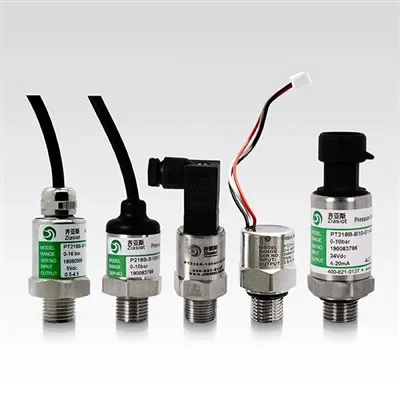
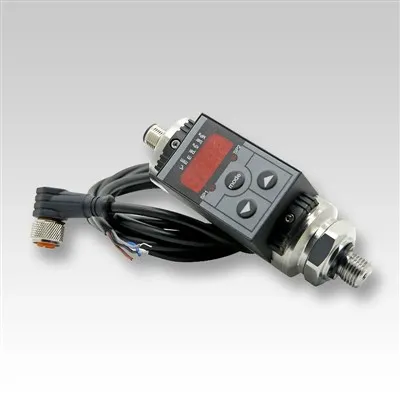
Settlement sensors, such as the Displacement Static Level Meter Settlement Sensor, are designed to accurately measure vertical displacements. These sensors work on different principles, including hydrostatic pressure, optical measurement, and electrical resistance. They are capable of providing real - time data on settlement, which can be crucial for understanding the structural behavior of a building.
Advantages of Using Settlement Sensors in Historical Buildings
Early Detection of Problems
One of the main advantages of using settlement sensors in historical buildings is the ability to detect settlement at an early stage. By continuously monitoring the vertical displacements, any abnormal movement can be quickly identified. This early warning can prevent small problems from escalating into major structural failures. For instance, if a sensor detects a sudden increase in settlement in a particular area of a historical building, it can prompt further investigation and immediate action to stabilize the structure.
Long - term Structural Health Assessment
Settlement sensors can provide long - term data on the structural health of historical buildings. Over time, the collected data can be analyzed to understand the trends of settlement, which helps in predicting future behavior. This information is valuable for formulating long - term preservation strategies. For example, if the data shows a slow but continuous settlement in a building, engineers can plan for gradual reinforcement measures rather than waiting for a catastrophic event.
Non - invasive Installation
Modern settlement sensors can often be installed in a non - invasive manner. This is crucial for historical buildings, as any invasive installation method may damage the building's original structure or historical features. For example, some sensors can be attached to the surface of the building using adhesives or magnetic mounts, without the need for drilling large holes. This ensures that the integrity of the historical building is maintained during the installation process.
Challenges and Considerations
Compatibility with Historical Structures
Historical buildings often have unique construction materials and techniques that may not be compatible with all types of settlement sensors. For example, some traditional masonry structures may have rough surfaces or porous materials, which can affect the accuracy of sensor readings. In such cases, special sensor designs or installation methods may be required. Additionally, the sensors need to be able to withstand the environmental conditions typically found in historical buildings, such as high humidity or temperature variations.


Aesthetic Impact
The appearance of historical buildings is an important aspect of their cultural value. The installation of settlement sensors should not have a significant negative impact on the building's aesthetics. Sensors need to be carefully selected and installed in a way that they are as unobtrusive as possible. For example, sensors can be painted to match the color of the building or installed in hidden locations such as under eaves or in basements.
Data Management and Interpretation
Collecting data from settlement sensors is only the first step. The data needs to be properly managed and interpreted. Historical buildings may have complex structural behaviors, and understanding the settlement data requires expertise in structural engineering and historical building conservation. Additionally, the data should be stored securely for long - term analysis and comparison.
Case Studies
There have been several successful applications of settlement sensors in historical buildings. For example, in a medieval castle in Europe, settlement sensors were installed to monitor the stability of the walls. The sensors detected a small but significant settlement in one section of the wall, which was due to the deterioration of the foundation. Based on the sensor data, engineers were able to design a targeted foundation reinforcement plan, which effectively stopped the further settlement and preserved the structure.
Conclusion
In conclusion, settlement sensors can be effectively used in historical buildings. They offer significant advantages in terms of early problem detection, long - term structural health assessment, and non - invasive installation. However, there are also challenges related to compatibility, aesthetic impact, and data management that need to be carefully considered.
As a settlement sensor supplier, we are committed to providing solutions that meet the specific needs of historical building preservation. Our Displacement Static Level Meter Settlement Sensor is designed to be highly accurate, reliable, and suitable for a variety of applications, including historical buildings.
If you are involved in the preservation of historical buildings and are interested in using settlement sensors, we would be delighted to have a discussion with you. Contact us to start a procurement negotiation and explore how our sensors can contribute to the long - term preservation of these precious cultural heritage sites.
References
- "Structural Health Monitoring of Historical Buildings: A Review" by [Author's Name], Journal of Architectural Heritage, [Year]
- "Settlement Monitoring Techniques for Historical Masonry Structures" by [Author's Name], International Journal of Civil Engineering, [Year]
- "Non - invasive Sensor Installation in Historical Buildings" by [Author's Name], Heritage Science, [Year]