Can pressure switches be used in air conditioning systems?
Leave a message

Can Pressure Switches be Used in Air Conditioning Systems?
As a supplier of pressure switches, I often get asked whether pressure switches can be used in air conditioning systems. The answer is a resounding yes! Pressure switches play a crucial role in the proper functioning and safety of air conditioning systems, and in this blog post, I'll delve into how and why they are so important.
Understanding Pressure Switches
Before we explore their application in air conditioning systems, let's briefly understand what pressure switches are. A pressure switch is a device that senses the pressure of a fluid (liquid or gas) and converts it into an electrical signal. When the pressure reaches a pre - set level, the switch either opens or closes an electrical circuit, triggering an action such as starting or stopping a pump, or activating an alarm.
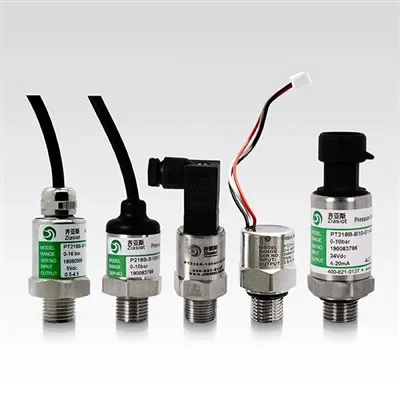
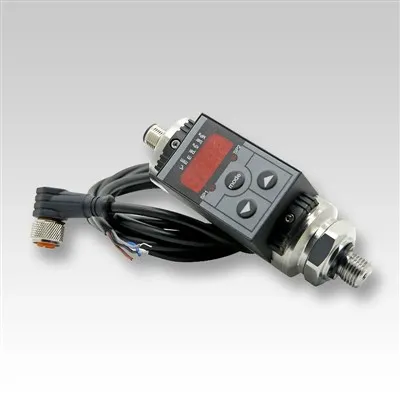
There are different types of pressure switches available in the market, including Hydraulic Pressure Switch, Intelligent Water Air Pneumatic Hydraulic Pump Digital Pressure Switch, and Smart Digital Pressure Switch. Each type has its own unique features and is suitable for different applications based on factors like pressure range, accuracy, and environmental conditions.
Role of Pressure Switches in Air Conditioning Systems
1. Compressor Protection
The compressor is the heart of an air conditioning system. It compresses the refrigerant gas, increasing its pressure and temperature before it is circulated through the system. Pressure switches are used to protect the compressor from operating under abnormal pressure conditions.
High - pressure switches are set to detect when the refrigerant pressure in the discharge line of the compressor exceeds a safe limit. If this happens, the switch will open the electrical circuit, shutting down the compressor. This prevents damage to the compressor due to excessive pressure, which could lead to mechanical failure, refrigerant leaks, or even fire hazards.
Conversely, low - pressure switches monitor the pressure in the suction line of the compressor. If the pressure drops below a certain level, it could indicate a refrigerant leak, a clogged filter, or a malfunctioning expansion valve. When the low - pressure switch detects such a condition, it also shuts down the compressor to prevent it from running dry, which can cause severe damage to the compressor's internal components.
2. System Efficiency
Pressure switches also contribute to the overall efficiency of the air conditioning system. By maintaining the proper pressure levels, they ensure that the refrigerant is circulated at the optimal rate. For example, in a variable - capacity air conditioning system, pressure switches can be used to adjust the compressor's capacity based on the pressure in the system. When the demand for cooling is low, the pressure in the system will be lower, and the pressure switch can signal the compressor to reduce its capacity, saving energy.
3. Condenser Fan Control
In air conditioning systems, the condenser fan is responsible for removing heat from the refrigerant in the condenser coil. Pressure switches can be used to control the operation of the condenser fan. When the pressure in the condenser reaches a certain level, indicating that the refrigerant is not being cooled effectively, the pressure switch can turn on the condenser fan at a higher speed or even activate additional fans. This helps to maintain the proper pressure and temperature in the condenser, improving the system's cooling performance.
Types of Pressure Switches for Air Conditioning Systems
1. Mechanical Pressure Switches
Mechanical pressure switches are the most common type used in air conditioning systems. They are relatively simple in design and operate based on a mechanical mechanism, such as a diaphragm or a bellows. When the pressure in the system changes, the diaphragm or bellows moves, which in turn activates a micro - switch to open or close the electrical circuit. Mechanical pressure switches are reliable, cost - effective, and can withstand harsh environmental conditions.
2. Electronic Pressure Switches
Electronic pressure switches are becoming increasingly popular in modern air conditioning systems. They use electronic sensors, such as strain gauges or piezoelectric sensors, to measure the pressure. These sensors convert the pressure into an electrical signal, which is then processed by an electronic circuit. Electronic pressure switches offer higher accuracy, faster response times, and can be easily integrated with other control systems. They also often have adjustable setpoints, allowing for more precise control of the system.
Considerations When Using Pressure Switches in Air Conditioning Systems
1. Pressure Range
It is crucial to select a pressure switch with the appropriate pressure range for the air conditioning system. The pressure range should be able to cover the normal operating pressure of the system, as well as any potential pressure fluctuations. If the pressure switch has a too - narrow pressure range, it may trip frequently, causing unnecessary system shutdowns. On the other hand, if the pressure range is too wide, the switch may not be sensitive enough to detect abnormal pressure conditions.


2. Accuracy
The accuracy of the pressure switch is also an important factor. A more accurate pressure switch will provide more precise control of the air conditioning system, leading to better performance and energy efficiency. However, higher accuracy usually comes at a higher cost, so a balance needs to be struck between accuracy and cost.
3. Environmental Conditions
Air conditioning systems can be installed in a variety of environments, from indoor commercial buildings to outdoor industrial settings. The pressure switch should be able to withstand the environmental conditions in which it will be installed. For example, in a humid or corrosive environment, a pressure switch with a corrosion - resistant housing and seals should be selected.
Conclusion
In conclusion, pressure switches are an essential component of air conditioning systems. They provide protection for the compressor, improve system efficiency, and contribute to the overall reliability and performance of the system. As a supplier of pressure switches, we offer a wide range of products, including Hydraulic Pressure Switch, Intelligent Water Air Pneumatic Hydraulic Pump Digital Pressure Switch, and Smart Digital Pressure Switch, to meet the diverse needs of air conditioning system manufacturers and installers.
If you are in the market for pressure switches for your air conditioning systems or have any questions about their application, we are here to help. Contact us to discuss your specific requirements and explore how our pressure switches can enhance the performance and safety of your air conditioning systems.
References
- ASHRAE Handbook - HVAC Systems and Equipment. American Society of Heating, Refrigerating and Air - Conditioning Engineers.
- "Fundamentals of Air Conditioning Systems" by William Coad.
- Manufacturer's technical manuals for pressure switches and air conditioning components.