
Can pressure gauges be used in ceramic manufacturing?
Leave a message

Hey there! As a pressure gauges supplier, I've been getting a few questions lately about whether pressure gauges can be used in ceramic manufacturing. Well, the short answer is a resounding yes! In this blog post, I'll delve into why pressure gauges are not just useful but often essential in the ceramic production process.
First off, let's understand the basic steps in ceramic manufacturing. It typically starts with raw material preparation, where clay, feldspar, and other minerals are mixed together. Then, the mixture goes through shaping, which could involve methods like extrusion, pressing, or casting. After that, the formed ceramics are dried and fired in a kiln. Each of these steps can benefit from the use of pressure gauges.
Raw Material Preparation
During the raw material preparation phase, some manufacturers use high - pressure mixers to ensure a homogeneous blend of the different minerals. These mixers operate under specific pressure conditions to break down the particles and create a smooth, consistent mixture. Pressure gauges come in handy here to monitor and control the pressure inside the mixer. If the pressure is too low, the particles may not blend properly, resulting in an uneven final product. On the other hand, if the pressure is too high, it could lead to excessive wear and tear on the mixer equipment.
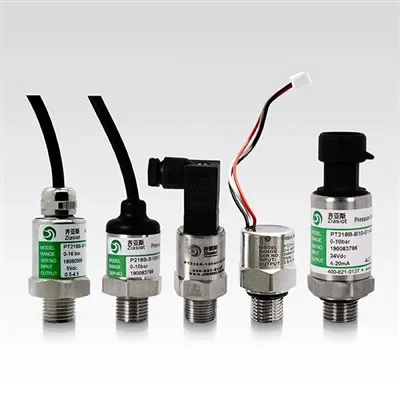
We offer a great range of Mechanical Presssure Gauge that are perfect for this kind of application. They are reliable, easy to read, and can withstand the rigors of a manufacturing environment.
Shaping Processes
In the shaping stage, different techniques rely on pressure to form the ceramics into the desired shapes. For example, in the extrusion process, a paste - like mixture is forced through a die under pressure to create long, uniform shapes like pipes or tiles. A pressure gauge can be installed in the extrusion equipment to ensure that the pressure stays within the optimal range for a consistent extrusion rate and quality. If the pressure fluctuates too much, it can cause defects in the extruded product, such as uneven wall thickness or surface irregularities.
Similarly, in the pressing process, where powdered ceramic material is compressed into a mold, pressure is a critical parameter. For instance, in the production of ceramic balls for bearings or insulators, the right amount of pressure ensures proper compaction and density of the final product. Using a pressure gauge to monitor and adjust the pressure during pressing helps in achieving high - quality, defect - free parts.
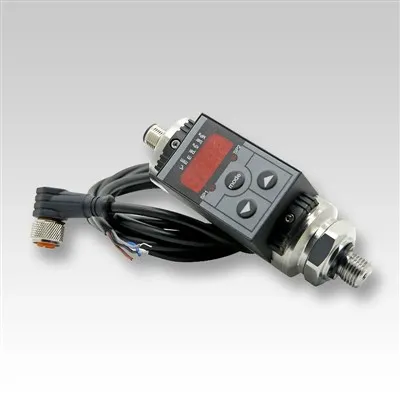
Our Digital Melt Presssure Gauges are well - suited for these shaping processes. They provide precise and accurate pressure readings, which are essential for maintaining the quality of the shaped ceramics.
Drying and Firing
The drying and firing steps in ceramic manufacturing also involve pressure considerations. In some drying processes, vacuum drying is used to remove moisture from the ceramics more efficiently. A Vacuum Digital Pressure Gauge is crucial here to monitor the vacuum level. If the vacuum is not maintained at the right level, the drying process may be incomplete or too slow, affecting the subsequent firing step.
When it comes to firing in a kiln, the internal pressure can have a significant impact on the final properties of the ceramics. Some high - temperature kilns operate under controlled pressure conditions to enhance the densification and strength of the ceramics. Pressure gauges installed in the kiln can help the operators keep track of the pressure and make adjustments as needed. This is especially important in the production of advanced ceramics, where precise control of the firing environment is crucial for achieving the desired mechanical, electrical, or thermal properties.
Benefits of Using Pressure Gauges in Ceramic Manufacturing
Using pressure gauges in ceramic manufacturing offers several benefits. Firstly, it improves product quality. By ensuring that the pressure is maintained at the optimal level throughout the manufacturing process, it reduces the likelihood of defects such as cracks, porosity, and uneven density. This leads to a higher - quality end - product that meets the strict standards of various industries.
Secondly, pressure gauges enhance process efficiency. They allow operators to quickly detect and address any pressure - related issues, minimizing downtime and reducing waste. For example, if a pressure gauge indicates that the pressure in a mixer is too low, the operator can take immediate action to adjust it, preventing the production of sub - standard material.
Finally, using pressure gauges contributes to equipment longevity. By monitoring the pressure, it helps prevent overloading and excessive wear on the manufacturing equipment. This reduces the frequency of repairs and replacements, saving both time and money in the long run.
Choosing the Right Pressure Gauge
When it comes to choosing a pressure gauge for ceramic manufacturing, there are several factors to consider. First, you need to think about the pressure range. Different processes in ceramic manufacturing operate at different pressure levels, so you need to select a gauge that can accurately measure the pressure within the specific range of your application.
Second, consider the environment in which the gauge will be used. Ceramic manufacturing can involve high temperatures, dust, and chemicals. You'll need a pressure gauge that is resistant to these harsh conditions to ensure its reliability and longevity.
Finally, think about the type of gauge. Mechanical gauges are simple and cost - effective, while digital gauges offer more precise readings and additional features such as data logging. Depending on your specific needs and budget, you can choose the type that suits you best.
Conclusion
So, to sum it up, pressure gauges are definitely a valuable tool in ceramic manufacturing. They play a crucial role in ensuring product quality, improving process efficiency, and protecting manufacturing equipment. Whether you're involved in small - scale ceramic production or large - scale industrial manufacturing, investing in the right pressure gauges can make a significant difference in your operations.
If you're in the ceramic manufacturing business and are looking for high - quality pressure gauges, we've got you covered. We offer a wide range of pressure gauges suitable for all stages of ceramic production. Don't hesitate to reach out to start a discussion about your specific needs and how our products can fit into your manufacturing process. Let's work together to take your ceramic production to the next level!


References
- "Ceramic Manufacturing Technology" by John B. Wachtman
- "Pressure Gauges: Principles and Applications" by Richard P. Benedict