
Can MEMS pressure transmitters be used in renewable energy applications?
Leave a message

Hey there! As a supplier of MEMS pressure transmitters, I often get asked if these nifty little devices can be used in renewable energy applications. Well, the short answer is a resounding yes! In this blog, I'll dive into the details of how MEMS pressure transmitters can play a crucial role in various renewable energy sectors.
Understanding MEMS Pressure Transmitters
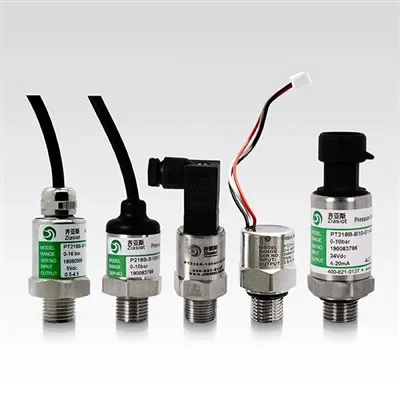
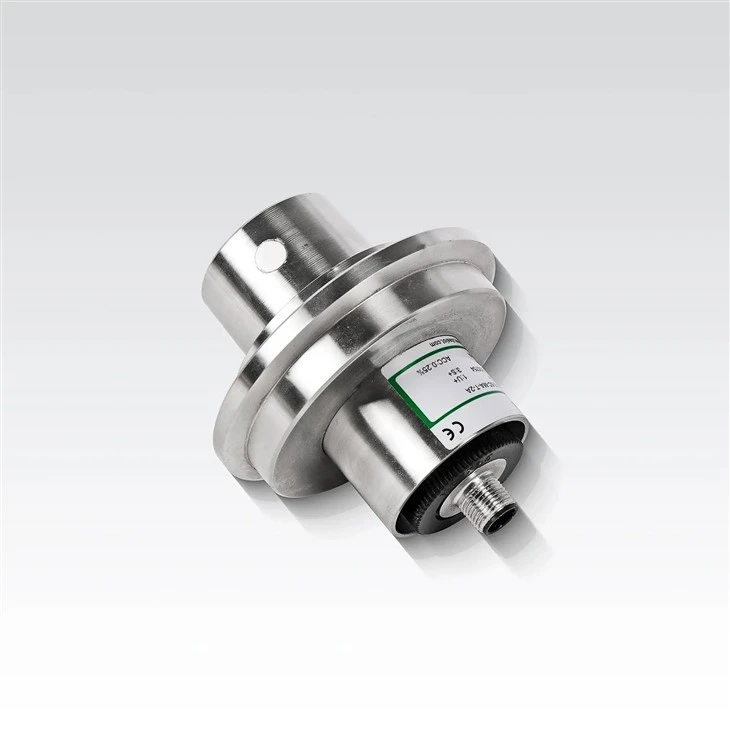
First off, let's quickly go over what MEMS pressure transmitters are. MEMS stands for Micro-Electro-Mechanical Systems. These are tiny devices that combine mechanical and electrical components on a microscopic scale. MEMS pressure transmitters work by converting pressure into an electrical signal. They're super small, accurate, and cost - effective, which makes them a great option for a wide range of applications.
Solar Energy
Solar energy is one of the most popular forms of renewable energy out there. MEMS pressure transmitters can be used in several aspects of solar power systems.
Solar Thermal Systems
In solar thermal systems, water or other heat - transfer fluids are heated by the sun's energy. These fluids are then used to generate electricity or provide hot water. MEMS pressure transmitters can monitor the pressure of the heat - transfer fluid in the pipes. If the pressure is too high, it could indicate a blockage or a malfunction in the system. On the other hand, low pressure might mean there's a leak. By constantly monitoring the pressure, operators can ensure the system is running smoothly and efficiently.
Concentrated Solar Power (CSP) Plants
CSP plants use mirrors or lenses to concentrate a large area of sunlight onto a small receiver. This receiver then heats a fluid, which is used to generate steam and drive a turbine. MEMS pressure transmitters can be used to monitor the pressure in the receiver and the steam lines. They help in maintaining the optimal pressure for efficient power generation. For example, if the pressure in the steam lines drops, it could lead to a decrease in turbine efficiency. By using MEMS pressure transmitters, operators can quickly detect and address such issues.
Wind Energy
Wind energy is another major player in the renewable energy game. MEMS pressure transmitters have several applications in wind turbines.
Blade Pitch Control
The pitch of the wind turbine blades needs to be adjusted based on the wind speed and direction. MEMS pressure transmitters can be used to measure the pressure difference across the blades. This information is then used to adjust the blade pitch angle. By optimizing the blade pitch, the turbine can capture more wind energy and generate more electricity.
Hydraulic Systems
Wind turbines often use hydraulic systems for various functions, such as braking and yaw control. MEMS pressure transmitters can monitor the pressure in these hydraulic systems. If the pressure is too high or too low, it could indicate a problem with the hydraulic pump, valves, or hoses. Early detection of these issues can prevent costly breakdowns and downtime.
Hydroelectric Energy
Hydroelectric power plants generate electricity by converting the energy of flowing water into electrical energy. MEMS pressure transmitters have important roles to play here as well.
Dam and Reservoir Monitoring
In a hydroelectric dam, the water pressure at different levels of the reservoir needs to be monitored. MEMS pressure transmitters can be installed at various depths in the reservoir to measure the water pressure. This information is crucial for ensuring the structural integrity of the dam. If the pressure exceeds the design limits, it could pose a risk of dam failure. By continuously monitoring the pressure, operators can take appropriate measures to prevent such disasters.

Turbine Inlet and Outlet Pressure
MEMS pressure transmitters can also be used to monitor the pressure at the inlet and outlet of the turbines. The pressure difference across the turbine is directly related to the power output. By maintaining the optimal pressure difference, operators can maximize the efficiency of the turbines.
Geothermal Energy
Geothermal energy is derived from the heat within the Earth. MEMS pressure transmitters can be used in geothermal power plants in the following ways.
Wellhead Pressure Monitoring
In geothermal wells, the pressure at the wellhead needs to be carefully monitored. MEMS pressure transmitters can provide real - time pressure data. High wellhead pressure could indicate a blockage in the well or an increase in the flow of hot water or steam. Low pressure might mean there's a problem with the production of geothermal fluid. By monitoring the wellhead pressure, operators can optimize the extraction of geothermal energy.
Binary Cycle Power Plants
In binary cycle geothermal power plants, a secondary fluid with a lower boiling point than water is used to generate steam. MEMS pressure transmitters can monitor the pressure in the binary fluid circuit. This helps in maintaining the proper operating conditions for the power plant and ensuring efficient power generation.
Advantages of Using MEMS Pressure Transmitters in Renewable Energy
There are several advantages of using MEMS pressure transmitters in renewable energy applications.
Size and Weight
MEMS pressure transmitters are extremely small and lightweight. This makes them ideal for use in renewable energy systems where space and weight are often limited. For example, in a wind turbine, the small size of MEMS pressure transmitters allows them to be easily integrated into the blade pitch control system without adding significant weight.
Accuracy
These devices offer high levels of accuracy. In renewable energy systems, accurate pressure measurement is crucial for efficient operation. For instance, in a solar thermal system, accurate pressure monitoring can help in preventing overheating and system failures.
Cost - Effectiveness
MEMS pressure transmitters are relatively inexpensive compared to traditional pressure measurement devices. This makes them a cost - effective solution for renewable energy projects, especially when multiple sensors are required.
Durability
They are designed to be durable and can withstand harsh environmental conditions. In renewable energy applications, such as wind farms and geothermal power plants, the sensors need to be able to operate in extreme temperatures, high humidity, and corrosive environments. MEMS pressure transmitters are up to the task.
Conclusion
So, as you can see, MEMS pressure transmitters have a wide range of applications in renewable energy. Whether it's solar, wind, hydroelectric, or geothermal energy, these devices can help in ensuring the efficient and safe operation of renewable energy systems.
If you're in the renewable energy industry and looking for a reliable MEMS pressure transmitter supplier, look no further! We've got a great range of products that are suitable for all your needs. And if you're interested in a MEMS Pressure Sensor for Shield Tunneling Machine, we can provide detailed information about that too.
Don't hesitate to reach out to us for more information or to start a procurement discussion. We're here to help you take your renewable energy projects to the next level!
References
- "Renewable Energy Technologies" by International Renewable Energy Agency (IRENA)
- "MEMS Sensors and Actuators: Technology and Applications" by Chang Liu