What is the lifespan of the 3051 DP Transmitter?
Leave a message

Hey there! As a supplier of the 3051 DP Transmitter, I often get asked about its lifespan. It's a pretty important question, right? After all, you want to know how long your investment is going to last. So, let's dive into what the lifespan of the 3051 DP Transmitter might be and what factors can affect it.
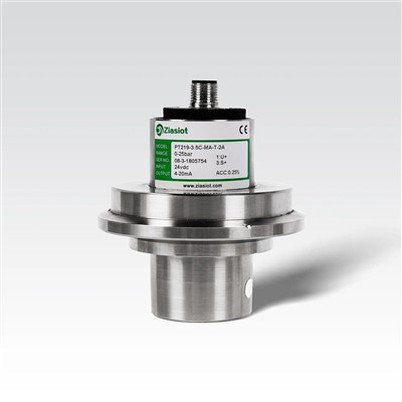
First off, the 3051 DP Transmitter is a top - notch piece of equipment. It's designed to be durable and reliable, which is why it's so popular in a wide range of industries. This Differential Pressure Transmitter is used for measuring the difference in pressure between two points, and it does it with high accuracy.
In ideal conditions, the 3051 DP Transmitter can last a really long time. We're talking about 10 to 15 years or even more. But what are these “ideal conditions”? Well, it means a stable operating environment. The temperature should be within the specified range for the transmitter. Extreme temperatures can cause the internal components to expand or contract, which might lead to wear and tear over time. For example, if the transmitter is installed in an area where the temperature fluctuates wildly between very hot and very cold, it can put a lot of stress on the device.
Another important factor is the quality of the process fluid. If the fluid being measured is clean and non - corrosive, it's going to be much gentler on the transmitter. Corrosive fluids can eat away at the sensor and other parts of the transmitter, reducing its lifespan. So, if you're using the 3051 DP Transmitter in a chemical plant where the fluids are highly corrosive, you might need to take extra precautions or expect a shorter lifespan.
The level of vibration also plays a role. High levels of vibration can loosen the internal connections of the transmitter. Over time, these loose connections can lead to electrical problems and inaccurate readings. If the transmitter is installed near machinery that generates a lot of vibration, it's a good idea to use vibration - dampening mounts.
Now, let's talk about maintenance. Regular maintenance can significantly extend the lifespan of the 3051 DP Transmitter. This includes things like cleaning the sensor, checking the electrical connections, and calibrating the device. Calibration is crucial because it ensures that the transmitter is providing accurate readings. If the readings are off, it could lead to problems in the process that the transmitter is monitoring. You can think of calibration as giving your transmitter a “health check - up”. It helps you catch any potential issues early on.
The 3051 DP Transmitter is also known for its high - quality construction. It uses advanced technology and high - grade materials. The sensor, which is the heart of the transmitter, is designed to be very sensitive and accurate. This Accuracy Differential Pressure Transducer technology allows it to detect even the smallest changes in pressure. And because of its high - quality design, it can withstand a fair amount of abuse without breaking down.


However, like any piece of equipment, it's not invincible. Eventually, parts will wear out. The electronics inside the transmitter might start to degrade over time, especially if it's exposed to harsh conditions. But here's the good news: most of the components of the 3051 DP Transmitter are replaceable. So, even if a part fails, you don't necessarily have to replace the whole transmitter. You can just swap out the faulty part and get it back up and running.
In some industries, the lifespan of the 3051 DP Transmitter might be affected by regulatory requirements. For example, in the food and beverage industry, there are strict hygiene and safety standards. Transmitters might need to be replaced more frequently to ensure compliance. In the oil and gas industry, where safety is also a top priority, regular inspections and replacements might be required.
If you're using the 3051 DP Transmitter in a HVAC system, the lifespan can be quite long. HVAC systems usually operate in relatively stable conditions. The Differential Pressure Sensor in the 3051 DP Transmitter can accurately measure the pressure differences in the air ducts, helping to maintain proper air flow and temperature control.
So, to sum it up, the lifespan of the 3051 DP Transmitter can vary widely depending on the operating conditions, maintenance, and the industry it's used in. In ideal conditions with proper maintenance, it can last 10 to 15 years or more. But in harsher environments, it might have a shorter lifespan.
If you're in the market for a 3051 DP Transmitter or need to replace an existing one, I'd love to talk to you. We can discuss your specific needs, the operating conditions, and how we can ensure that you get the most out of your transmitter. Whether you're looking for a long - lasting solution for a stable environment or something that can withstand harsh conditions, we've got you covered. Reach out to us to start the conversation about your differential pressure measurement needs.
References
- General knowledge about differential pressure transmitters and their operation
- Manufacturer's specifications and guidelines for the 3051 DP Transmitter