
Can I use a digital pressure gauge in a hazardous environment?
Leave a message

Using a digital pressure gauge in a hazardous environment is a question that many industries grapple with. As a leading supplier of Digital Pressure Gauges, I've been involved in numerous discussions and projects where this very topic took center stage. In this blog, I'll delve into the technical aspects, safety considerations, and real - world applications to answer the question: Can I use a digital pressure gauge in a hazardous environment?
Understanding Hazardous Environments
Hazardous environments can be classified in several ways. One common classification is based on the presence of flammable gases, vapors, dusts, or fibers. These can be found in industries such as oil and gas, chemical manufacturing, mining, and pharmaceuticals. For instance, in an oil refinery, there are areas where volatile hydrocarbons are present. A small spark can lead to an explosion, making safety a top priority.
Another type of hazardous environment is one with extreme temperatures, high humidity, or corrosive substances. In a chemical plant, for example, the gauges may be exposed to highly acidic or alkaline chemicals, which can damage the equipment over time. High - temperature environments, like foundries or cement kilns, can also pose challenges for pressure gauges.
Advantages of Digital Pressure Gauges
Digital pressure gauges offer several advantages over their mechanical counterparts. Firstly, they provide accurate and precise measurements. Modern digital gauges can measure pressure with a high degree of accuracy, often up to ±0.1% or even better. This level of precision is crucial in many industrial processes where even a slight deviation in pressure can lead to product quality issues or safety hazards.
Secondly, digital pressure gauges are more versatile. They can display pressure in multiple units, such as psi, bar, or kPa, and can be easily calibrated to different ranges. Some digital gauges also come with additional features like data logging, which allows users to record pressure readings over time for analysis.
Thirdly, digital gauges are easier to read. The digital display is clear and can be read from a distance, reducing the risk of human error when taking pressure readings. This is especially important in hazardous environments where workers may need to quickly and accurately assess pressure conditions.
Challenges in Using Digital Pressure Gauges in Hazardous Environments
However, using digital pressure gauges in hazardous environments also presents some challenges. One of the main concerns is the potential for electrical sparks. Digital gauges rely on electrical components, and in a flammable environment, a spark from a malfunctioning electrical circuit can cause an explosion.
Another challenge is the durability of the gauge. In harsh environments with extreme temperatures, high humidity, or corrosive substances, the internal components of the digital gauge can be damaged. For example, high - temperature environments can cause the electronic components to overheat and fail. Corrosive chemicals can eat away at the gauge's housing and the internal wiring, leading to inaccurate readings or complete failure.
Safety Standards and Certifications
To address these challenges, there are strict safety standards and certifications for using digital pressure gauges in hazardous environments. For example, in the United States, the National Electrical Code (NEC) and the National Fire Protection Association (NFPA) have regulations regarding electrical equipment in hazardous locations. In Europe, the ATEX directive sets standards for equipment used in explosive atmospheres.
When choosing a digital pressure gauge for a hazardous environment, it's essential to look for gauges that are certified to meet these standards. These gauges are designed and tested to ensure that they do not pose a safety risk in the specific hazardous environment they are intended for.
Our Solutions as a Digital Pressure Gauge Supplier
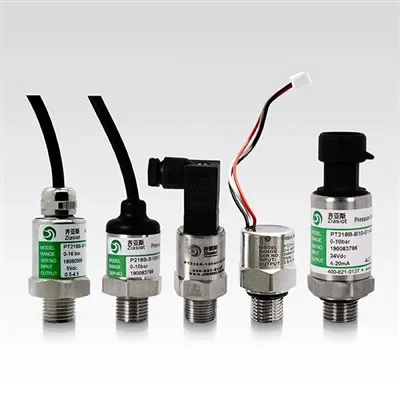
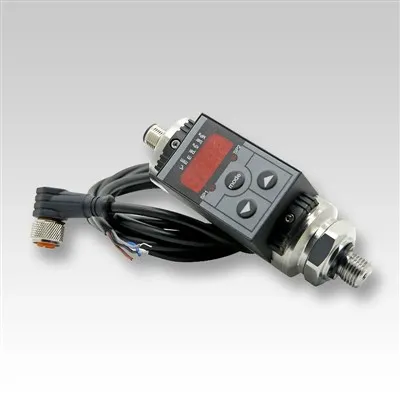
As a Digital Pressure Gauge supplier, we offer a range of products that are suitable for hazardous environments. Our gauges are designed to meet the strictest safety standards and are built to withstand harsh conditions.
We have High Temperature Mechanical Melt Presssure Gauges which are specifically engineered for high - temperature applications. These gauges are made with materials that can withstand extreme heat and are designed to prevent overheating of the internal components.
Our Vacuum Digital Pressure Gauge is ideal for applications where vacuum pressure needs to be measured, such as in chemical reactors or vacuum chambers. This gauge is accurate and reliable, even in environments with low pressures.
We also offer Mechanical Presssure Gauge for customers who prefer a non - digital option. These gauges are simple in design and are known for their durability and reliability in harsh environments.


Real - World Applications
Let's take a look at some real - world applications where our digital pressure gauges have been successfully used in hazardous environments.
In the oil and gas industry, our gauges are used in offshore platforms to measure the pressure of the oil and gas pipelines. These platforms are surrounded by a flammable atmosphere, so safety is of utmost importance. Our ATEX - certified gauges ensure that there is no risk of sparking, and their high - accuracy measurements help in maintaining the integrity of the pipelines.
In the chemical industry, our gauges are used in pharmaceutical manufacturing plants. These plants often have corrosive chemicals and strict quality control requirements. Our corrosion - resistant digital gauges provide accurate pressure measurements, which are essential for ensuring the quality of the pharmaceutical products.
How to Choose the Right Digital Pressure Gauge for a Hazardous Environment
When selecting a digital pressure gauge for a hazardous environment, consider the following factors:
- Type of Hazard: Determine whether the environment has flammable gases, extreme temperatures, or corrosive substances. This will help you choose a gauge that is certified for the specific hazard.
- Pressure Range: Make sure the gauge can measure the pressure range required for your application. It should be able to handle both the normal operating pressure and any potential pressure spikes.
- Accuracy Requirements: Consider the level of accuracy needed for your process. For critical applications, a gauge with high accuracy is essential.
- Additional Features: Think about any additional features you may need, such as data logging or remote monitoring.
Conclusion
In conclusion, it is possible to use a digital pressure gauge in a hazardous environment, but it requires careful consideration and the selection of the right gauge. As a Digital Pressure Gauge supplier, we are committed to providing our customers with high - quality, safe, and reliable products. Whether you need a gauge for a high - temperature environment, a corrosive chemical plant, or an explosive atmosphere, we have the solutions to meet your needs.
If you are interested in learning more about our digital pressure gauges or have specific requirements for your hazardous environment application, please do not hesitate to initiate a conversation with us. We are eager to discuss your needs and provide the best solutions for your business.
References
- National Electrical Code (NEC), various editions
- National Fire Protection Association (NFPA) standards related to hazardous locations
- ATEX directive, applicable European regulations