
How to perform a risk assessment for Indicator and Controller usage?
Leave a message

Risk assessment is a crucial process for any business, especially when it comes to the usage of indicators and controllers. As a supplier of high - quality indicators and controllers, I understand the importance of ensuring that our products are used safely and effectively. In this blog, I will guide you through the steps of performing a risk assessment for indicator and controller usage.
Step 1: Identify the Indicators and Controllers in Use
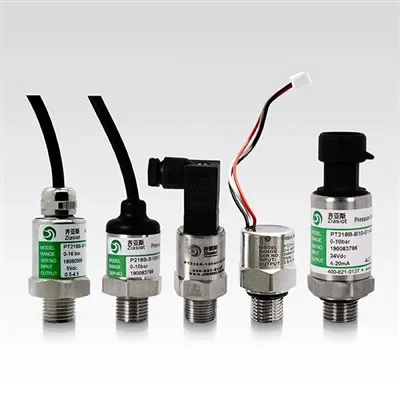
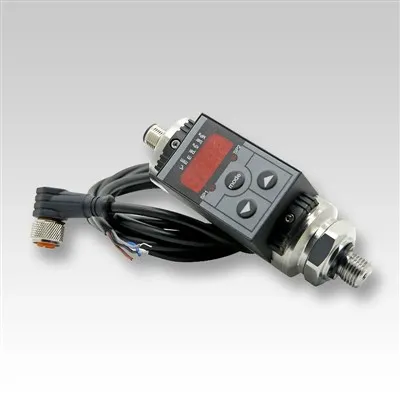
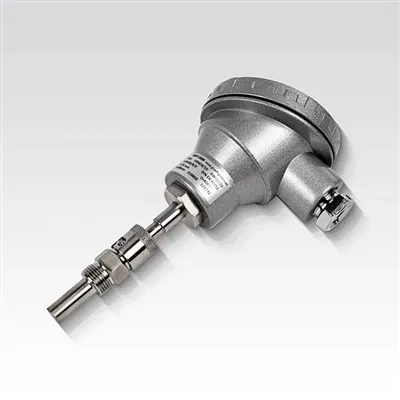
The first step in a risk assessment is to identify all the indicators and controllers that are being used or will be used in a particular system or process. For our company, we offer a wide range of products, such as Pressure Indicator and Temperature Controller. These devices are used in various industries, including manufacturing, energy, and healthcare.
When identifying the indicators and controllers, it is essential to consider their location, function, and the environment in which they operate. For example, a pressure indicator used in a high - pressure industrial process may pose different risks compared to one used in a low - pressure laboratory setting. Make a detailed list of all the devices, including their model numbers, specifications, and installation locations.
Step 2: Understand the Hazards Associated with the Indicators and Controllers
Once you have identified the devices, the next step is to understand the potential hazards associated with their use. There are several types of hazards that you need to consider:
Electrical Hazards
Most indicators and controllers are electrical devices, which means they can pose electrical shock and fire hazards. Faulty wiring, improper grounding, or electrical overloads can lead to serious accidents. For instance, if a temperature controller has a short circuit in its wiring, it may cause an electrical fire.
Mechanical Hazards
Some indicators and controllers may have moving parts, such as switches or relays. These moving parts can cause mechanical injuries, such as cuts, abrasions, or pinches, if a person's fingers or other body parts get caught in them.
Chemical Hazards
In some applications, indicators and controllers may be exposed to chemicals. For example, a pressure indicator in a chemical processing plant may come into contact with corrosive chemicals. These chemicals can damage the device and also pose a risk to the health of workers if they are released due to a device failure.
Process - Specific Hazards
The specific process in which the indicators and controllers are used can also pose hazards. For example, if a pressure - temperature indicator, like our Pressure Temperature Indicator, is used in a steam boiler system, a failure of the device could lead to over - pressurization and potentially cause an explosion.
Step 3: Evaluate the Likelihood and Consequences of Hazards
After identifying the hazards, the next step is to evaluate the likelihood of each hazard occurring and the potential consequences if it does.
Likelihood Assessment
The likelihood of a hazard occurring can be classified into different levels, such as "rare", "unlikely", "possible", "likely", or "almost certain". To assess the likelihood, you can consider factors such as the age of the device, the frequency of maintenance, the quality of installation, and the history of similar failures in the past.
For example, if a temperature controller is old and has not been maintained regularly, the likelihood of it malfunctioning may be classified as "likely". On the other hand, a newly installed and well - maintained device may have a "rare" likelihood of failure.
Consequence Assessment
The consequences of a hazard can also be classified into different levels, such as "insignificant", "minor", "moderate", "major", or "catastrophic". Consider the impact on safety, health, the environment, and the overall operation of the system.
A minor consequence could be a temporary disruption of the process, while a catastrophic consequence could be a serious accident resulting in loss of life, significant property damage, or environmental pollution. For example, a failure of a pressure indicator in a small - scale laboratory experiment may have a minor consequence, but a similar failure in a large - scale chemical plant could have a catastrophic consequence.
Step 4: Determine the Risk Level
Based on the likelihood and consequence assessment, you can determine the risk level for each hazard. A common way to do this is by using a risk matrix. The risk matrix combines the likelihood and consequence levels to assign a risk rating, such as "low", "medium", or "high".
For example, if the likelihood of a hazard is "unlikely" and the consequence is "minor", the risk level may be classified as "low". However, if the likelihood is "likely" and the consequence is "major", the risk level will be "high".
Step 5: Develop Risk Mitigation Strategies
Once you have determined the risk levels, the next step is to develop strategies to mitigate the risks. There are several risk mitigation strategies that you can consider:
Elimination
If possible, try to eliminate the hazard altogether. For example, if a particular type of indicator or controller is known to have a high risk of failure, you can replace it with a safer alternative.
Substitution
If elimination is not possible, you can consider substituting the device with a less hazardous one. For example, if a device uses a toxic chemical, you can replace it with a device that uses a non - toxic alternative.
Engineering Controls
Engineering controls involve modifying the system or the device to reduce the risk. For example, you can install safety guards on moving parts of an indicator or controller to prevent mechanical injuries. You can also install surge protectors on electrical devices to reduce the risk of electrical shock and fire.
Administrative Controls
Administrative controls involve changing the way people work to reduce the risk. For example, you can implement a regular maintenance schedule for indicators and controllers to ensure their proper functioning. You can also provide training to workers on the safe use of these devices.
Personal Protective Equipment (PPE)
In some cases, providing personal protective equipment to workers can help reduce the risk. For example, if workers are exposed to chemicals when working with indicators and controllers, they can wear gloves, goggles, and protective clothing.
Step 6: Implement and Monitor the Risk Mitigation Strategies
After developing the risk mitigation strategies, the next step is to implement them. Make sure that all the necessary changes are made to the system or the devices, and that workers are trained on the new procedures.
It is also important to monitor the effectiveness of the risk mitigation strategies. Regularly review the system and the devices to ensure that the risks have been reduced to an acceptable level. If new hazards are identified or the risk levels change, you may need to revise the risk mitigation strategies.


Conclusion
Performing a risk assessment for indicator and controller usage is a comprehensive process that involves identifying the devices, understanding the hazards, evaluating the likelihood and consequences, determining the risk levels, developing risk mitigation strategies, and implementing and monitoring these strategies. By following these steps, you can ensure the safe and effective use of our indicators and controllers in your systems and processes.
If you are interested in purchasing our indicators and controllers or need more information about risk assessment for their usage, we encourage you to contact us for a detailed discussion. We are committed to providing high - quality products and services to meet your needs.
References
- ISO 31000:2018, Risk management – Guidelines
- OSHA, Safety and Health Topics: Electrical Safety
- NFPA (National Fire Protection Association) Codes and Standards related to industrial safety.