
Submersible Level Transmitter: Working Principle & Features
Leave a message
Working Principle
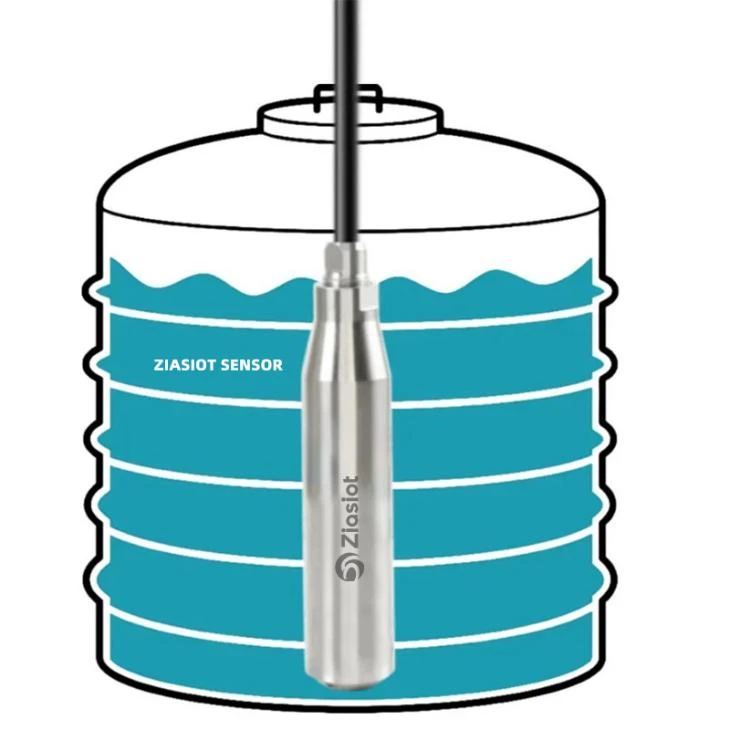
The submersible level transmitter operates based on the principle that the static pressure of a liquid is proportional to its height. It utilizes advanced isolated diffusion silicon sensing elements or ceramic capacitive pressure sensors to convert hydrostatic pressure into an electrical signal. After temperature compensation and linear calibration, this signal is transformed into a standard output (typically 4–20mA or 1–5VDC). Also known as a hydrostatic level transmitter, level sensor, submersible level sensor, water level probe, hydraulic pressure sensors, underwater pressure sensor, water level sesnor, level detector sensor or liquid level transducer, it ensures precise and reliable liquid level measurement.
Key Features
1-High Stability & Precision – Ensures accurate and consistent measurements.
2-Easy Installation – Direct immersion into the measured medium for hassle-free setup.
3-Robust & Maintenance-Free – Solid-state design with no moving parts, ensuring long-term reliability. Performs high-precision measurements across various fluids, including water, oil, and viscous media, unaffected by foam, sedimentation, or electrical interference. Features wide-range temperature compensation.
4-Built-in Protection – Equipped with reverse polarity protection and overcurrent limiting for enhanced safety.
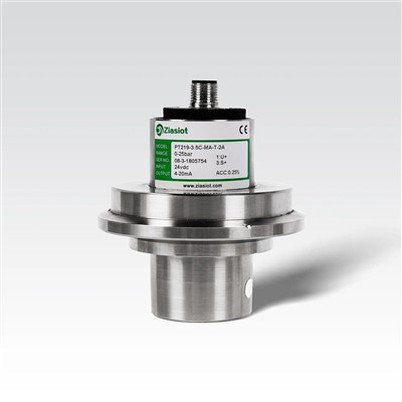
5-Versatile Design Options – Available in submersible, rod-mounted, flange, threaded, inductive, screw-in, and float-type configurations. Anti-clogging models ensure easy installation, user-friendly operation, and strong interchangeability. High sensitivity and fast response enable accurate detection of dynamic or static liquid level changes.
Selection Guide
1-Measurement Conditions – Consider the medium's physical/chemical properties, operating pressure, temperature, installation environment, and liquid level fluctuation speed.
2-Control Requirements – Define measurement range, accuracy, display mode (local/remote), computer interface needs, corrosion resistance, reliability, and installation convenience.
3-Output Options – Choose from digital, frequency, or analog signal outputs based on application demands.
Related Products
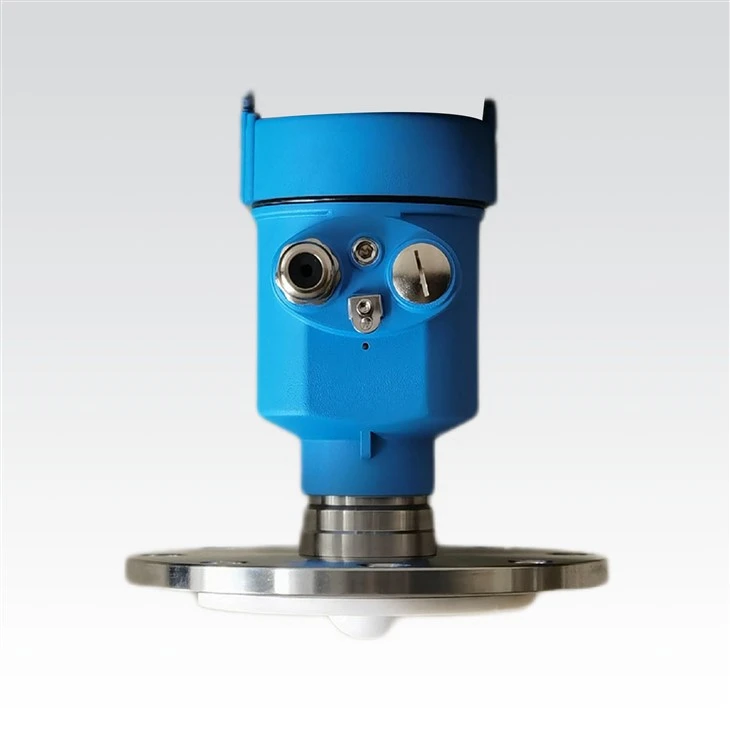
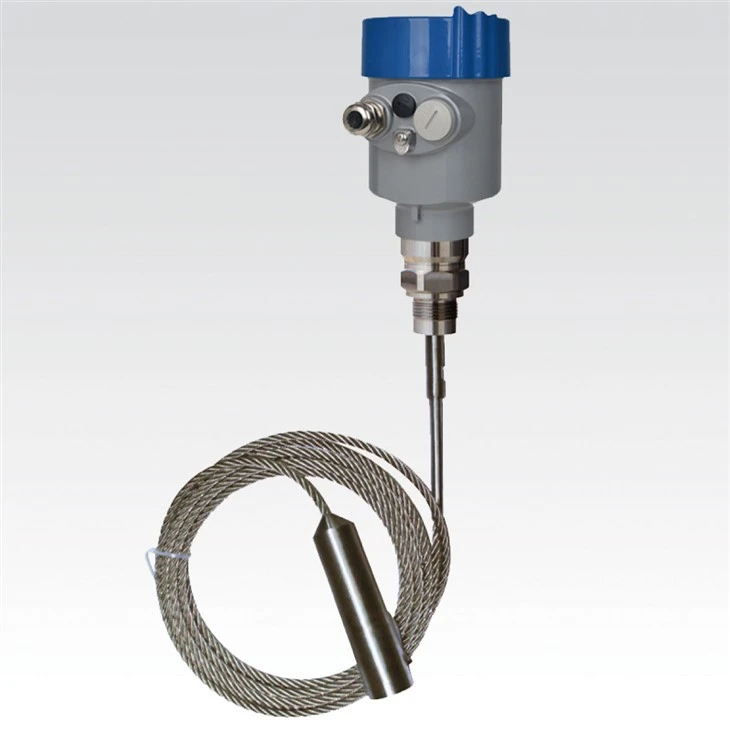

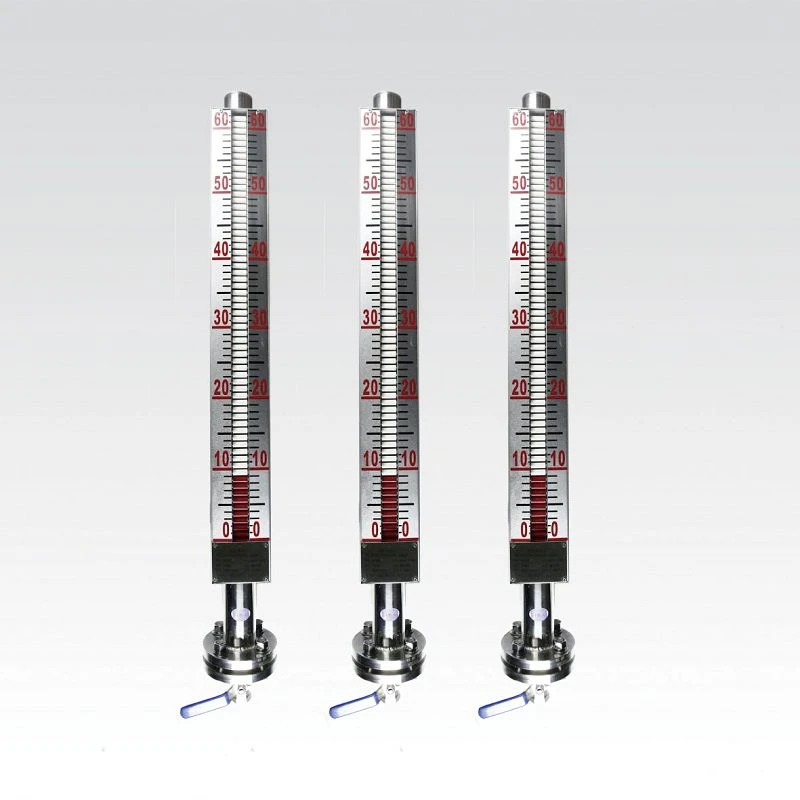
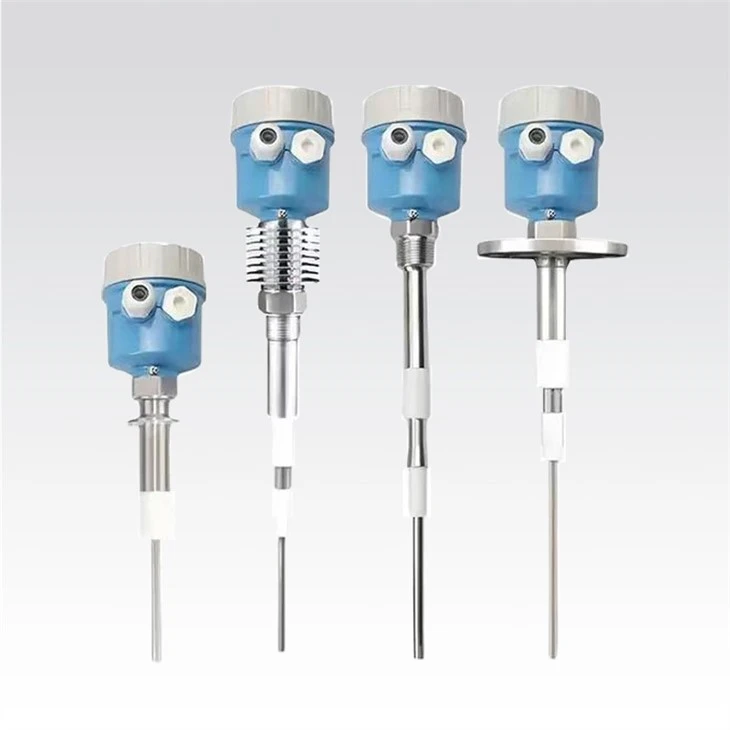
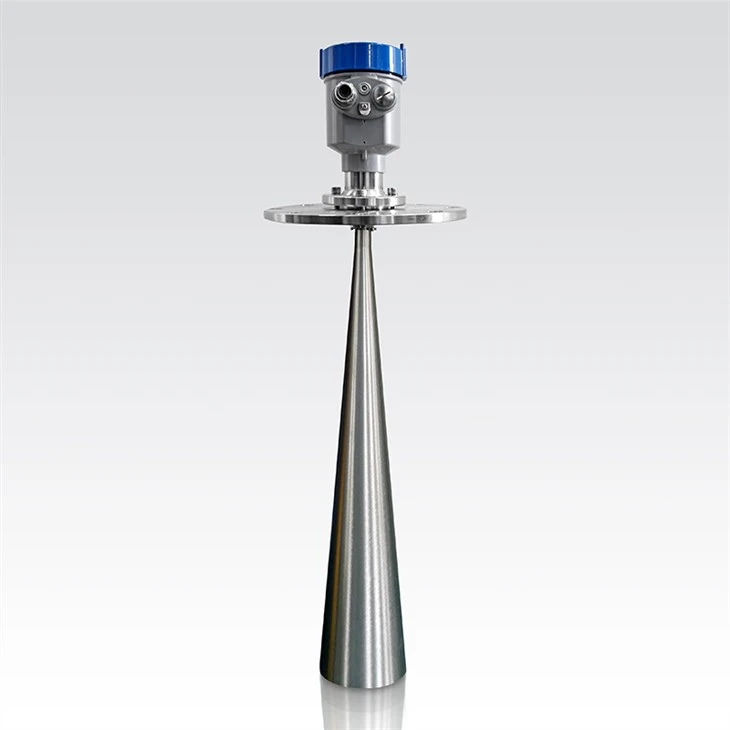
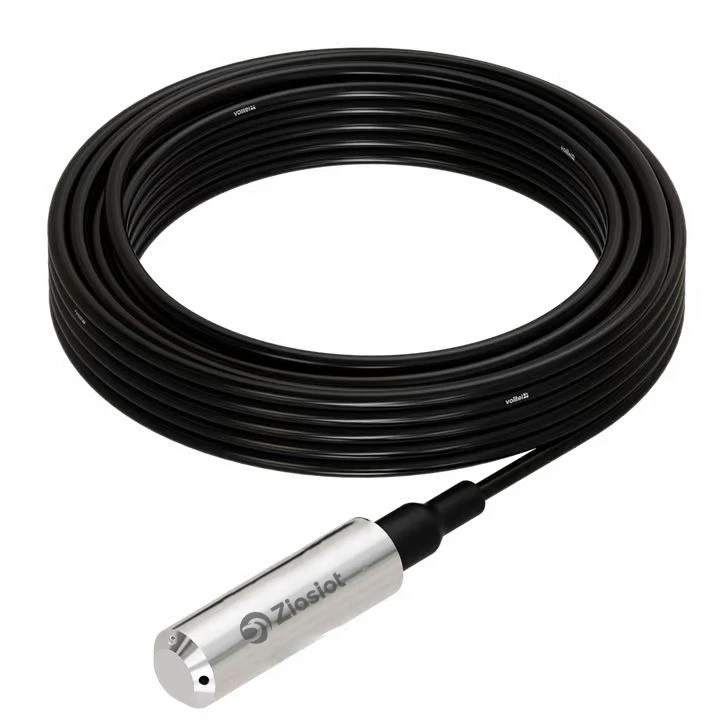
Types of Submersible Level Transmitters from Ziasiot
1.Standard Submersible Level Transmitter
This submersible level transmitter outputs analog 4mA~20mADC, 0~5/10VDC and 0.5V~4.5V DC. The measurement ranges from 1m to 200m.
Gauge pressure, Absolute pressure
Stainless steel pressure sensor
Hydrostatic level measurement
Mass production, automated calibration
Used For Water Level Measurement of Sewage, Sea Water, Underground Water, Continues level monitoring of liquid and Chemical Plant Wasted Water
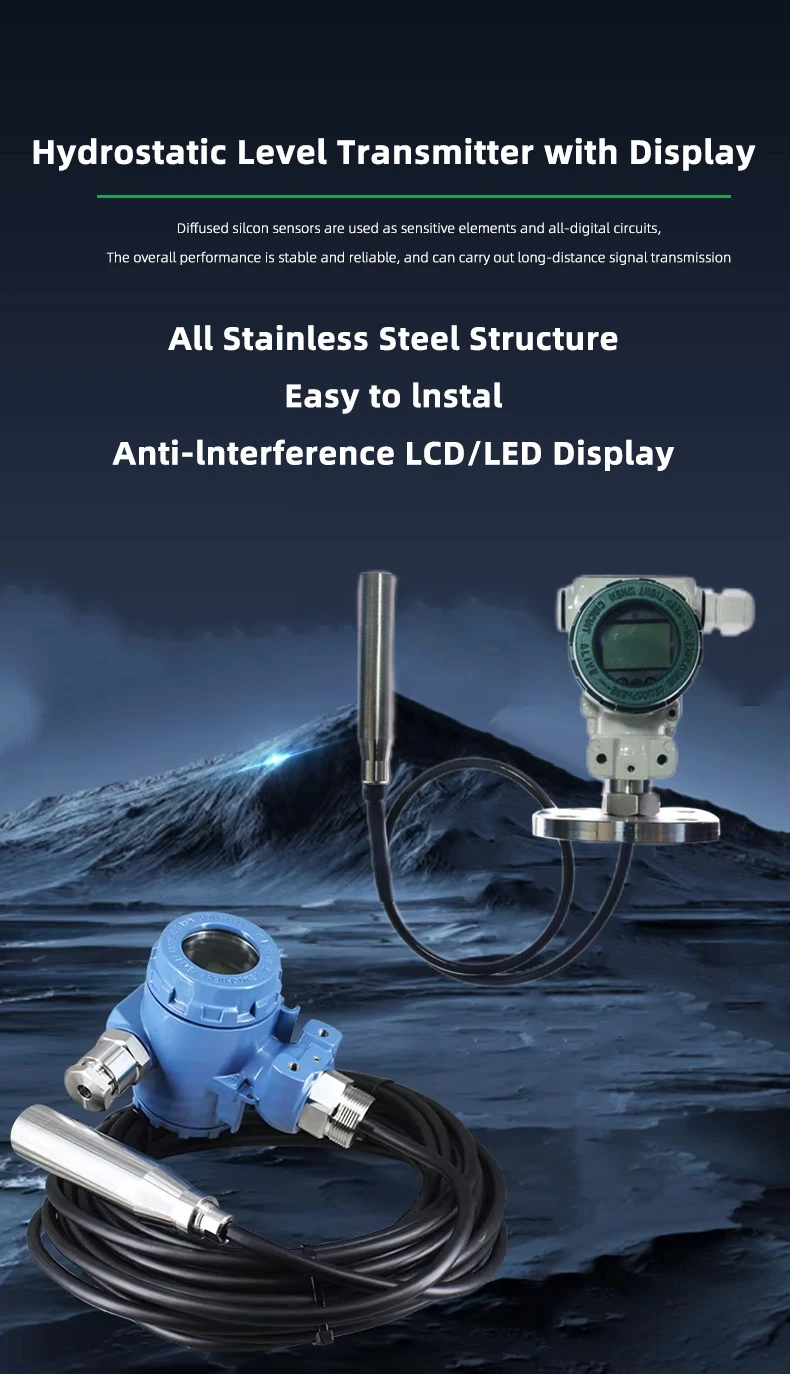
2.Explosion-Proof Submersible Transmitter
Explosion proof Submersible Level Transmitters CE-marked and explosion-proof approved, LCD display liquid level on site. Zero shift and full scale span shift available. IP68 waterproof, operatig panel, high strength shell, all stainless steel joint and smart watch head. Pressure Range: 1, 2, 5, 10, 20, 50, 100, 200mH2O. Used For Petroleum, Chemi-Industry, Power Station, Dust, Rain and Snow and other harsh enviroment.
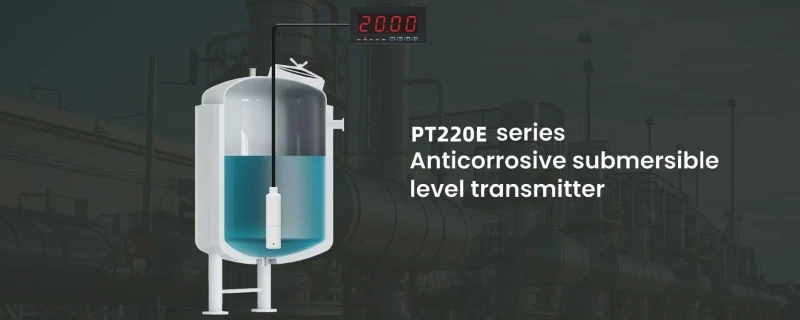
3.Anti-corrosive Submersible Transmitter
This anti-corrosive level transmitter outputs analog 4mA~20mADC, 0~5/10VDC and 0.5V~4.5V DC. Measuring ranges from 0.5 mH2O to 50 mH2O. Accuracy: ±0.25%FSO(Typ.), ±0.5%FSO(Max.)
Calibrated and temperature compensated
Ceramic sensor
PP,PVDF & PTFE housing
Plastic probe for aggressive media Ceramic sensor is specially designed for measuring sea water level and viscous & corrosive liquid level, wastewater treatment and chemical processing
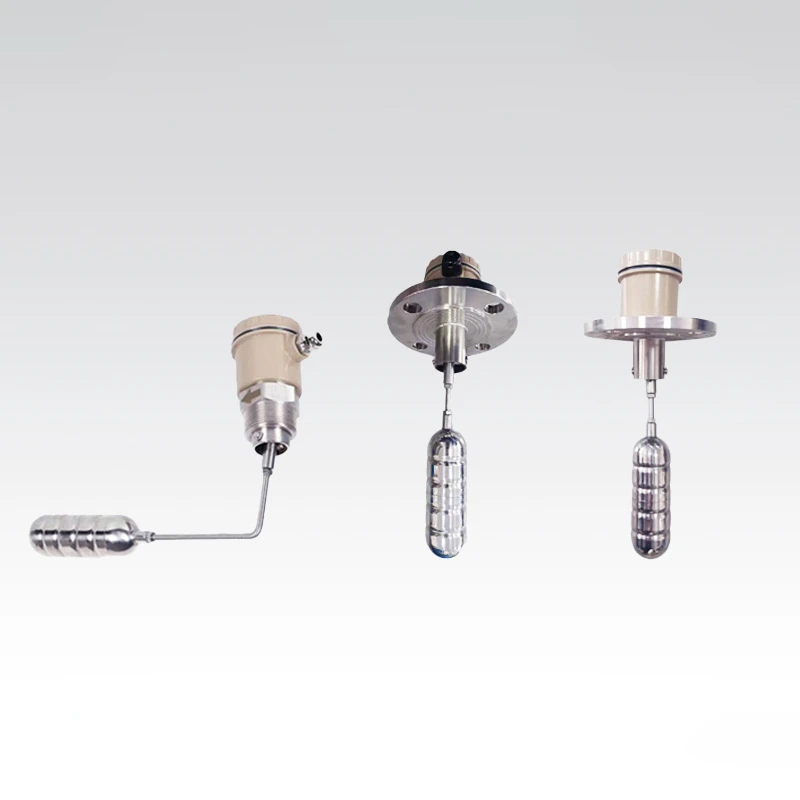
4-Float level transmitter
A float level transmitter or float level sensor operates based on buoyancy-the float rises or falls with the liquid level, mechanically or magnetically triggering a sensor to convert the position into an electrical signal (e.g., 4–20mA, RS485, or switch output). It is suitable for two position control or alarm of the liquid level of the medium in the tank of ships, chemical and other industrial equipment