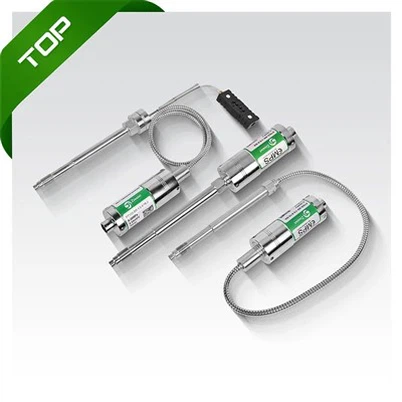
Top 8 Reasons Why Melt Pressure Transducers Fail (And How To Prevent It)
Leave a message
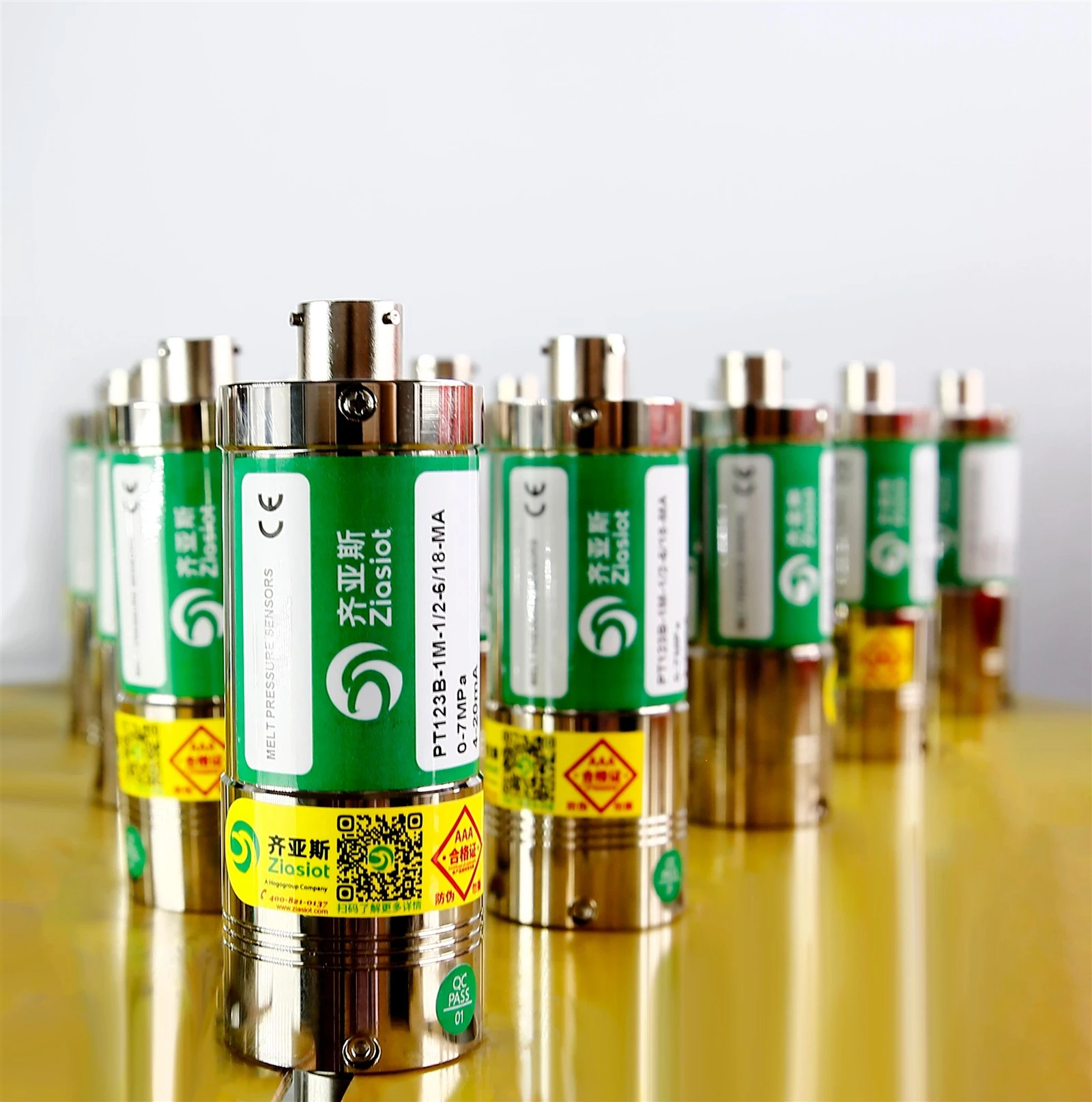
Melt pressure transducers are critical in industries like plastic extrusion and injection molding, ensuring precise pressure monitoring. However, they can fail due to various operational stresses. Understanding these failure causes helps extend sensor lifespan and maintain accuracy. Below are the most common melt pressure transducer failure reasons and how to avoid them.
1. Overpressure Exposure
Cause: Exceeding the transducer's rated pressure capacity.
Effect: Damaged sensing diaphragm, causing inaccurate readings or total failure.
Prevention: Select a high-temperature melt pressure transducer with a suitable pressure range and install overpressure protection.
2. Extreme Temperature Damage
Cause: Operating beyond the sensor's temperature limits due to poor cooling or heat transfer.
Effect: Internal component degradation (e.g., sensing element, insulation).
Prevention: Use a high-temperature auto-zeroing melt pressure transducer designed for thermal stability.
3. Physical Mishandling
Cause: Improper installation (overtightening, bending, or drops).
Effect: Structural damage to the diaphragm or housing.
Prevention: Follow torque specs and handle with care.
4. Chemical Corrosion
Cause: Exposure to corrosive/abrasive melt materials.
Effect: Eroded diaphragm or housing, reducing accuracy.
Prevention: Opt for chemically resistant materials (e.g., Hastelloy).
5. Electrical Failures
Cause: Voltage spikes, incorrect wiring, or poor grounding.
Effect: Fried electronics, erratic signals.
Prevention: Use surge protectors and proper wiring practices.
6. Sensor Drift Over Time
Cause: Material fatigue from prolonged high pressure/temperature.
Effect: Gradual accuracy loss.
Prevention: Regular calibration and timely replacement.
7. Contamination Buildup
Cause: Debris or process material clogging the diaphragm.
Effect: Blocked sensing orifices, skewed readings.
Prevention: Clean regularly and ensure material compatibility.
8. Improper Installation
Cause: Misaligned threads or excessive torque.
Effect: Mechanical stress, leaks, or failure.
Prevention: Follow manufacturer guidelines for mounting.
Upgrade to a Reliable Melt Pressure Transducer ?
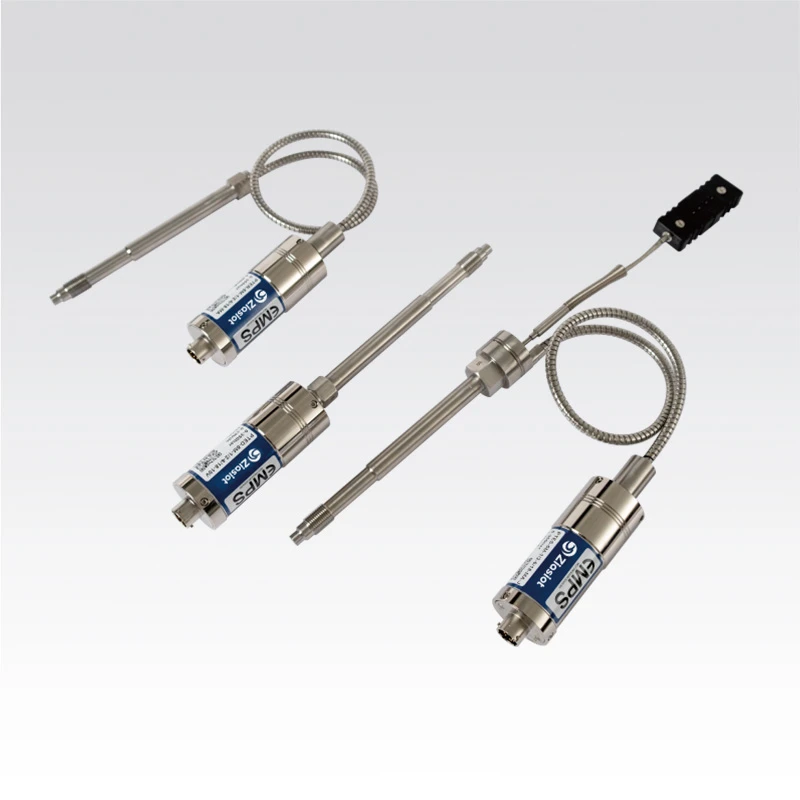
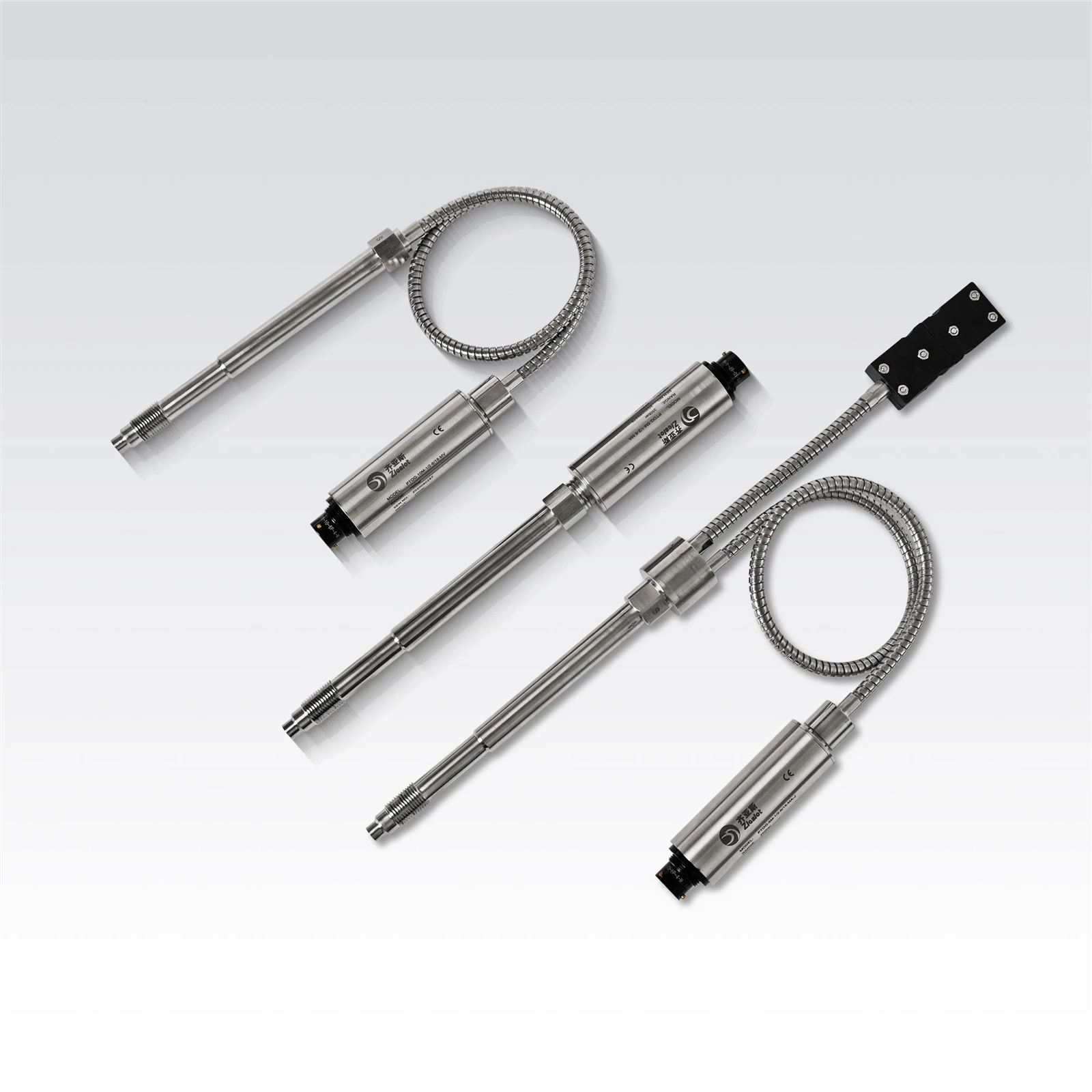
For harsh environments, consider our high-temperature, auto-zeroing melt pressure transducer, engineered for durability and precision in extreme conditions.
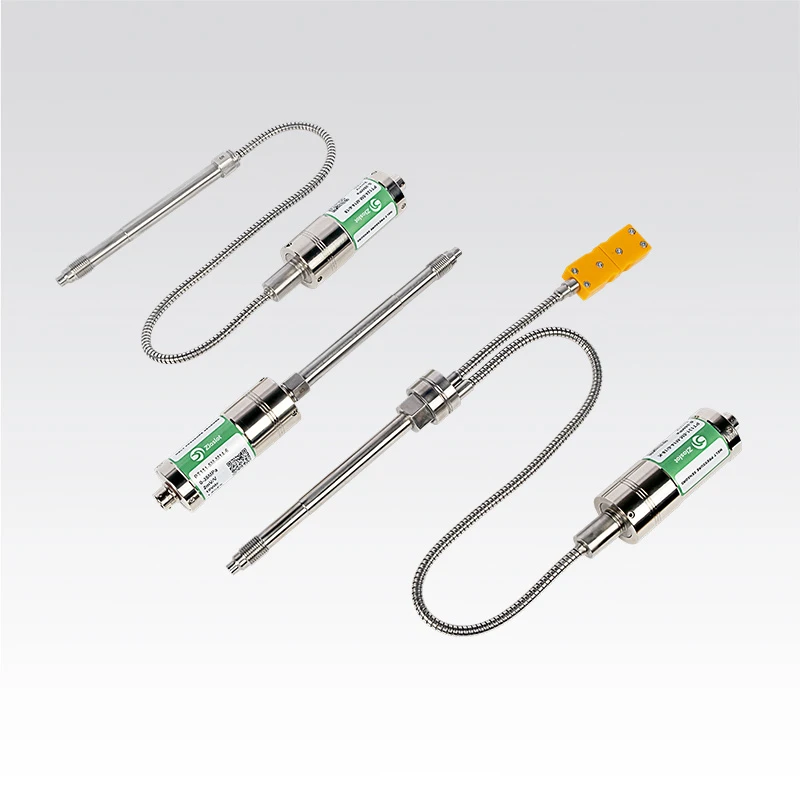
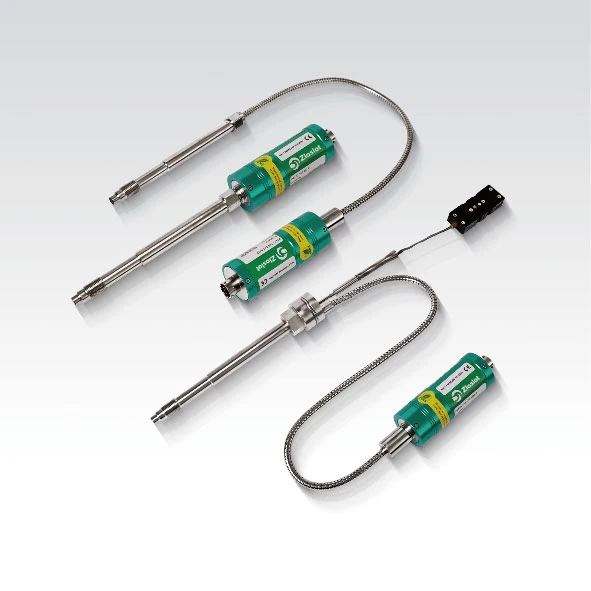
Ziasiot Melt Pressure Sensors
All types of melt pressure sensors, for extruders, for the plastics industry, for extrusion lines