
What is the pressure limit of the 3051 DP Transmitter?
Leave a message

When it comes to the world of industrial instrumentation, the 3051 DP Transmitter stands as a cornerstone in many applications. As a supplier of the 3051 DP Transmitter, I am frequently asked about its pressure limits. Understanding these limits is crucial for ensuring the proper and safe operation of the device in various industrial settings.
The Basics of the 3051 DP Transmitter
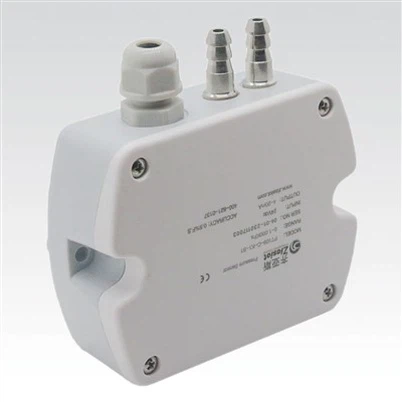
The 3051 DP Transmitter is a highly sophisticated and reliable instrument used for measuring differential pressure. Differential pressure is the difference in pressure between two points in a system. This measurement is essential in a wide range of industries, including oil and gas, chemical processing, power generation, and Differential Pressure Sensor Hvac.
The transmitter operates on the principle of converting the differential pressure into an electrical signal, typically a 4 - 20 mA current signal. This signal can then be easily transmitted to a control system or other monitoring devices for further processing and analysis.
Understanding Pressure Limits
Pressure limits are a critical aspect of any pressure - measuring device, and the 3051 DP Transmitter is no exception. There are two main pressure limits to consider: the overpressure limit and the static pressure limit.
Overpressure Limit
The overpressure limit refers to the maximum differential pressure that the transmitter can withstand without suffering permanent damage. When the differential pressure exceeds this limit, it can cause mechanical damage to the sensing element, leading to inaccurate measurements or even complete failure of the device.
For the 3051 DP Transmitter, the overpressure limit varies depending on the specific model and configuration. Generally, these transmitters are designed to handle relatively high overpressures, which makes them suitable for applications where sudden pressure spikes may occur. For example, in a pipeline system, a sudden blockage can cause a significant increase in differential pressure. The ability of the 3051 DP Transmitter to withstand such overpressures ensures its long - term reliability.
Static Pressure Limit
The static pressure limit is the maximum pressure that can be applied equally to both sides of the sensing element. This limit is important because excessive static pressure can also cause damage to the transmitter. In some industrial processes, the system may be subject to high - pressure conditions, and the transmitter needs to be able to handle these pressures without malfunctioning.


The 3051 DP Transmitter is engineered with high - quality materials and advanced manufacturing techniques to achieve high static pressure limits. This allows it to be used in applications such as high - pressure vessels and deep - sea oil exploration, where the static pressure can be extremely high.
Factors Affecting Pressure Limits
Several factors can affect the pressure limits of the 3051 DP Transmitter.
Sensing Element Design
The design of the sensing element plays a crucial role in determining the pressure limits. Different types of sensing elements, such as capacitive or piezoresistive, have different mechanical properties and sensitivities. The 3051 DP Transmitter uses a state - of - the - art sensing element design that maximizes its pressure - handling capabilities.
Material Selection
The materials used in the construction of the transmitter also impact its pressure limits. High - strength materials are used to ensure that the transmitter can withstand high pressures without deformation. For example, the housing and the diaphragm of the transmitter are made of materials that are both corrosion - resistant and mechanically strong.
Temperature
Temperature can have a significant effect on the pressure limits of the transmitter. As the temperature increases, the mechanical properties of the materials may change, which can reduce the pressure - handling capabilities of the device. The 3051 DP Transmitter is designed to operate within a specified temperature range, and proper temperature compensation techniques are employed to minimize the impact of temperature on its performance.
Applications and Pressure Requirements
The 3051 DP Transmitter is used in a wide variety of applications, each with its own unique pressure requirements.
HVAC Systems
In Differential Pressure Sensor applications, the 3051 DP Transmitter is used to measure the pressure difference across air filters, dampers, and fans. The pressure limits in these applications are relatively low, typically in the range of a few inches of water column. However, accurate measurement is still essential to ensure the proper functioning of the HVAC system.
Chemical Processing
In chemical processing plants, the 3051 DP Transmitter is used to measure the differential pressure across reactors, distillation columns, and other equipment. These applications often involve high pressures and corrosive media. The transmitter needs to have high pressure limits and excellent corrosion resistance to operate effectively in such environments.
Oil and Gas Industry
In the oil and gas industry, the 3051 DP Transmitter is used for well - head monitoring, pipeline flow measurement, and many other applications. The pressure requirements in this industry can be extremely high, especially in deep - sea oil exploration. The transmitter's ability to handle high static and differential pressures makes it an ideal choice for these applications.
Ensuring Proper Operation
To ensure the proper operation of the 3051 DP Transmitter within its pressure limits, several steps should be taken.
First, it is essential to select the right model and configuration of the transmitter based on the specific pressure requirements of the application. This may involve consulting with a technical expert or referring to the manufacturer's specifications.
Second, regular maintenance and calibration of the transmitter are necessary. Over time, the performance of the transmitter may degrade due to factors such as wear and tear, exposure to harsh environments, or changes in the operating conditions. Regular calibration ensures that the transmitter provides accurate measurements.
Third, proper installation of the transmitter is crucial. It should be installed in a location where it is protected from mechanical shock, vibration, and excessive temperature variations. The piping connections should be properly sealed to prevent any pressure leaks.
Conclusion and Call to Action
The 3051 DP Transmitter is a versatile and reliable instrument that can handle a wide range of pressure conditions. Understanding its pressure limits, including the overpressure limit and the static pressure limit, is essential for ensuring its proper and safe operation in various industrial applications. Whether you are involved in Differential Pressure Transmitter applications in HVAC, chemical processing, or the oil and gas industry, the 3051 DP Transmitter can meet your needs.
If you are interested in learning more about the 3051 DP Transmitter or have specific requirements for your application, we encourage you to get in touch with us. Our team of experts is ready to assist you in selecting the right product and providing you with the best technical support.
References
- Emerson Process Management. (20XX). 3051 DP Transmitter Product Manual.
- Industrial Instrumentation Handbook. (20XX). Published by XYZ Publishing.
- Journal of Pressure Measurement and Control. Various issues.