
What is the noise level of a digital pressure meter?
Leave a message

As a supplier of digital pressure meters, I often encounter inquiries about the noise level of these devices. Understanding the noise level of a digital pressure meter is crucial for various applications, from industrial processes to laboratory experiments. In this blog post, I will delve into what the noise level of a digital pressure meter is, why it matters, and how it can impact your operations.
What is Noise in a Digital Pressure Meter?
Noise in a digital pressure meter refers to the random fluctuations or variations in the pressure readings that are not related to the actual pressure changes. These fluctuations can be caused by a variety of factors, including electrical interference, sensor limitations, and environmental conditions. The noise level is typically measured in units of pressure, such as pascals (Pa) or pounds per square inch (psi).
Why Does the Noise Level Matter?
The noise level of a digital pressure meter can have a significant impact on the accuracy and reliability of your measurements. In applications where precise pressure control is required, such as in medical devices or aerospace systems, even a small amount of noise can lead to errors and inaccuracies. Additionally, high noise levels can make it difficult to distinguish between real pressure changes and background noise, which can affect the overall performance of your system.


Factors Affecting the Noise Level
Several factors can influence the noise level of a digital pressure meter. Here are some of the most common ones:
- Sensor Quality: The quality of the pressure sensor used in the meter plays a crucial role in determining the noise level. High-quality sensors are designed to minimize noise and provide more accurate readings.
- Electrical Interference: Electrical interference from nearby equipment or power sources can introduce noise into the pressure readings. This can be mitigated by using shielding and proper grounding techniques.
- Environmental Conditions: Temperature, humidity, and vibration can all affect the performance of the pressure sensor and increase the noise level. It is important to choose a meter that is suitable for the specific environmental conditions of your application.
- Signal Processing: The signal processing algorithms used in the meter can also impact the noise level. Advanced signal processing techniques can help reduce noise and improve the accuracy of the readings.
Measuring the Noise Level
The noise level of a digital pressure meter can be measured using a variety of methods. One common approach is to take multiple readings over a period of time and calculate the standard deviation of the readings. The standard deviation provides a measure of the variability of the readings and can be used to estimate the noise level.
Another method is to use a noise filter or averaging technique to reduce the noise in the readings. This can be done by averaging the readings over a certain period of time or by using a low-pass filter to remove high-frequency noise.
Impact on Different Applications
The noise level of a digital pressure meter can have different impacts depending on the application. Here are some examples:
- Industrial Processes: In industrial processes, such as manufacturing or chemical processing, accurate pressure measurements are essential for ensuring product quality and safety. High noise levels can lead to errors in the pressure readings, which can result in product defects or safety hazards.
- Medical Devices: In medical devices, such as blood pressure monitors or ventilators, precise pressure measurements are critical for patient care. Noise in the pressure readings can lead to inaccurate diagnoses or improper treatment.
- Laboratory Experiments: In laboratory experiments, accurate pressure measurements are necessary for obtaining reliable data. High noise levels can make it difficult to distinguish between real pressure changes and background noise, which can affect the validity of the experimental results.
Choosing the Right Digital Pressure Meter
When choosing a digital pressure meter, it is important to consider the noise level and other factors that can affect the accuracy and reliability of the measurements. Here are some tips to help you choose the right meter for your application:
- Determine Your Requirements: Before selecting a meter, determine the specific requirements of your application, such as the pressure range, accuracy, and resolution.
- Consider the Noise Level: Look for a meter with a low noise level to ensure accurate and reliable measurements.
- Choose a High-Quality Sensor: The quality of the pressure sensor is crucial for minimizing noise and providing accurate readings.
- Look for Signal Processing Features: Advanced signal processing features, such as noise filtering and averaging, can help reduce noise and improve the accuracy of the readings.
- Consider the Environmental Conditions: Choose a meter that is suitable for the specific environmental conditions of your application, such as temperature, humidity, and vibration.
Our Digital Pressure Meters
As a supplier of digital pressure meters, we offer a wide range of products to meet the needs of different applications. Our meters are designed with high-quality sensors and advanced signal processing algorithms to provide accurate and reliable pressure measurements.
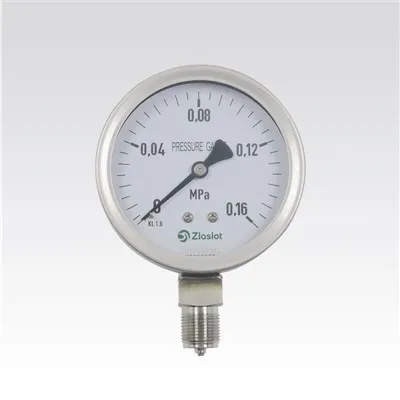
We also offer a variety of options, including Mechanical Presssure Gauge, Vacuum Digital Pressure Gauge, and Digital Melt Presssure Gauges. These products are suitable for a variety of industries, including manufacturing, medical, and laboratory applications.
Contact Us for More Information
If you are interested in learning more about our digital pressure meters or have any questions about the noise level or other aspects of our products, please contact us. Our team of experts is available to provide you with detailed information and help you choose the right meter for your application.
We look forward to working with you and helping you achieve accurate and reliable pressure measurements.